

I installed my meth kit in 2009 and ran with it very successfully for a couple of months and decided to write up my experiences: Water Methanol Review.
I followed that up with some water/meth hardware and injector testing: Water/Meth injectors.
But both reviews were preceded by a discussion that Moranor@Axis and I started about the use of methanol & water into the intake charge or direct injection onto the intercooler. For some reason I can't find that thread.
But let us remind ourselves again of the basics of Water/Meth injection:
MAKE TREMENDOUS POWER ON PUMP GAS
Methanol injection is intended for more experienced enthusiasts only. We stress this point: It depends on what your goal is with your car. If you want to take your car to the next level and for the track and drag racing scene, than this is a must modification and the best bang for buck.
Here is a description from one of the water/meth suppliers: "Methanol/Alcohol/Water injection, commonly referred to as "meth", allows you to make tremendous amounts of power on pump gas. The effect is similar to running 104 octane all the time, with additional cooling benefits allowing for more power than you could ever make on race gas alone."
WHY ONLY FOR THE ENTHUSIASTS?
Because methanol is flamable and the installation quite challenging when not installed by a professional mechanic or experienced person. Quite a few cars went up in flames due to leaking vacuum lines or cracked tanks especially the "quick water/meth kits" in the engine area using the vehicles' water bottle as its tank. There are two international forums that have water/meth questions or concerns constantly on their "today's pages".
However, despite these concerns and fears we cannot deny the performance benefits of using water/meth for drag/track racing and for daily street use.
DOES WATER/METH INJECTION REALLY WORK?
On some of my dyno runs over the years we have seen an increase of 15 - 25kw on the dyno with 100% meth and lowered temps. It also provides that extra safety buffer when running very high boost and nitrous. But I can also see the power benefit for those running low or no boost due to the cooling effects. The preferred water/meth mix is 50% but users prefer a safer (non flamable) margin of 35% meth mixed with distilled water. But I have not personally tested the flamability margins of methanol mixed with water.
One can run out of water/meth very quickly if you drive your car often in a spirited fashion. I use about one full tank of water/meth over a two week period on normal driving. Of course you can set the minimum and maximum meth flow so that it only flows in the higher boost levels.
An interesting experience we had on one of the many dyno runs: A zero increase in Kw & Tq (on the dyno) when running 100% meth and 109 race fuel together compared to running 100% meth only. We got the same gains on 100% meth alone as we got with Meth and racegas. This could have been only one vehicle and you may have had a different experience.
Running the highest RON octane and meth together on a car does not necessarily make more power but it does provide a safety buffer against detonation.
WATER/METH HARDWARE KIT OPTIONS?
There are quite a few water/meth kits on the market. Such as:
* Coolingmist (From basic to advance self learning progressive kits)
* Aquamist (A higly advanced progressive system)
* Devils Own (alcohol injection kits)
* NX (For nitrous and advance water/meth kits)
* Snow Performance (Basic to advance kits)
I decided on Coolingmist because its our main supplier and the source for most of my information and the kit I currently use in my car. I am sure the other kits are just as good. The point of this thread is not to punt a specific meth kit but to discuss the most important elements in deciding and installing a meth kit.
Here are the most important features to consider:
1. A solid tank. There are smaller and bigger tanks with different shapes and colours which one can choose depending on your needs and wants. I prefer a 1.5 galon or higher capacity tank. If you use the water tank in the engine bay then you may have to fill up more often due to the small size of the tank. See my comment at the end of this thread about placing the meth tank in the engine bay.
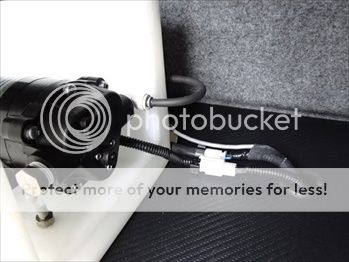
2. Clamps and a proper surface to hold the tank and pump in place. I prepared a special board (see pic above) to mount the tank onto but the normal boot carpet will do just fine. The other advantage of this particular tank and pump set-up is for easy install and removal. The tank/pump then can be placed anywhere in the boot for easy access and removal.
3. A 250psi or higher pump is advisable. In my set-up meth pump pressure was bumped up to full capacity to provide the best atomization for the new CM12 nozzle. Notice also the plug & play feature of the connectors for easy removal.

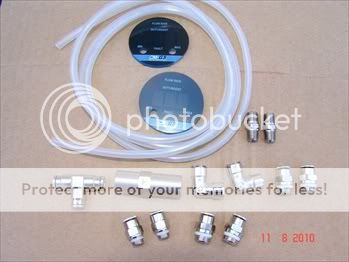
4. The hose. The Coolingmist nylon hose has a very high pressure and temp rating as well as a thicker wall and stronger material. The hose is kink resistant and semi-clear so you can see the fluid in the hose for troubleshooting purposes. Also consider a heat resistant material to cover the hose as it runs into the engine bay. (See pic on the right) This particular 303 stainless steel woven hose works with any 1/4 inch tubing on the market and has a melting point of 2800 F and is true stainless steel.

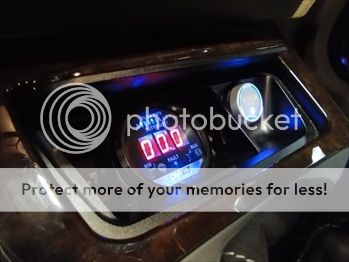
5. A boost and meth flow controller. I prefer the CMGS progressive controller because it gives me the boost and meth readings in a very clear and visual way. It also has a failsafe feature that gets triggered in case of a problem. Most piggyback tunes do not require an external boost or meth controller or failsafe because these come integrated with the tune and boost or meth readings can be set to show in the fuel or oil gauge in the dash of your car without installing any hardware in the car. See CMGS controller on the left reading boost meth injection and a whole lot of safety parameters:
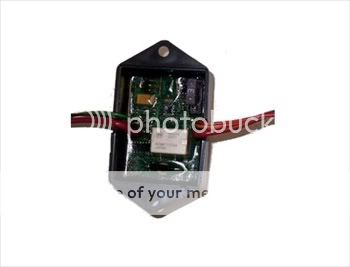
6. The failsafe. Most piggyback tunes come with a built in failsafe. Basically the failsafe reports the flow and failsafe information to your controller of choice such as the CMGS gauge and also allows for multiple stages/solenoid control.

7. Do include a check valve with integrated filter for reliability. Most water/meth kits do not include a filter. This is based on the false conclusion that the meth and water that you are going to use is 100% unpoluted. I have seen cars of customers using tap water & variants of meth that I do not consider always clean. Always use distilled water & the highest grade of meth that you can get.
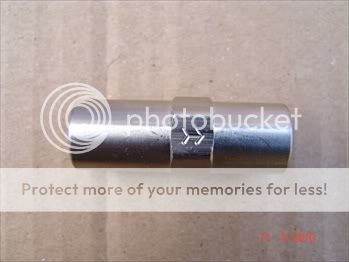

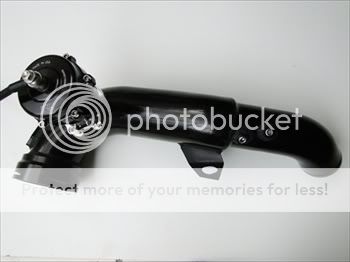
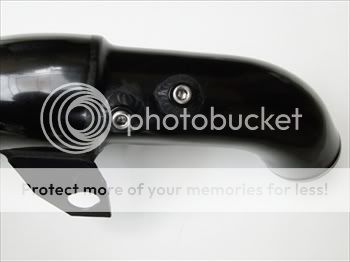
8. The chargepipe. You can tap a bung in your stock chargepipe but the stock pipe is not reliable under high boost. In the pic is the ER chargepipe that comes pre drilled with bungs on request:
9. Meth injecors & nozzles: The CM10 is more than adequate for most applications unless you run nitrous or bigger turbos and you may have to run a dual nozzle setup.
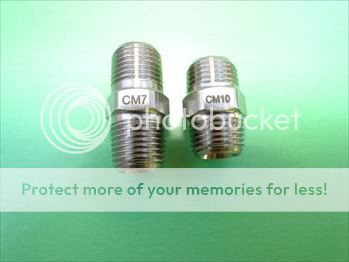
10. The latest CM12 injector: The thread pitch is 1/8th NPT which is standard to all injectors and flows 14 GPH at full flow (Approx 1100-1200 CC/M. Can be added to any kit on the market.
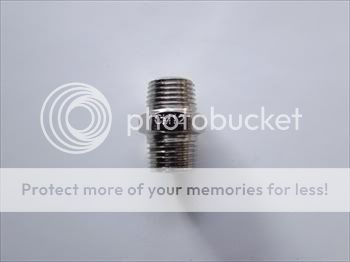

11. A Solenoid. Can be used on any kit and prevents a drop in pressure in the hose as the water/meth flows through.
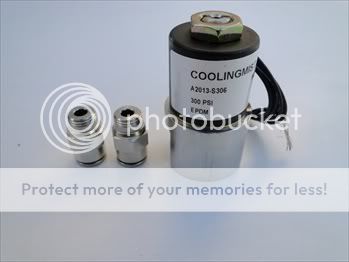
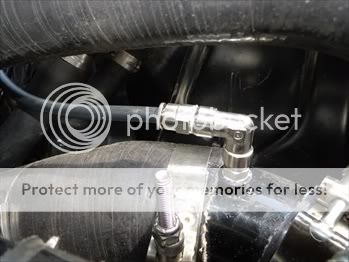
12. Nozzle & meth injector installed. You can choose a straight injector or a 90 degree injector elbow. The choice depends on your set-up:

WATER/METH SET-UP & TUNING IDEAS
* Meth safety will always be a concern and the installation is challenging and for the enthusiast that is prepared to experiment (and have an understanding of how your car's engine works) and stick to the best settings for your vehicle once installed. It should work flawlessly once you have accomplished this.
* Those using the JB4 as the preffered tune controlling the water/meth parameters is lucky because it comes with a preset water/meth tune and the ability to fine tune when necessary.
* Those using the CMGS gauge or any other external controller may need to have some technical knowledge to get the tune to work absolutely perfectly. The CMGS gauge for example requires the tweaking of many settings which can be overwhelming. But a new "autolearn" CMGS gauge is on the market which requires very little input from the user.
* Finding an installer. This is not going to be easy but if you do find an installer; then do the install together with the installer. You must teach yourself to understand how water/meth works. This is not a modification that you can just install and forget about. It needs to be filled regularly and monitored regularly. The dreadful part of it is installing and uninstalling the kit for dealer services or repairs. When you reinstall the kit you have to apply the same dilligence as if you installed it the first time. There is no room for error in the install.
* Do not use 100% meth unless you are in a controlled environment such as dyno testing. A 60% water mix is ideal or even lower for daily street use.
* I do not recommend using the water bottle in the engine bay as the tank. There have been just too many cars going up in flames because of this method of install. Sure the safest is NOT to run meth at all. But if you have to; consider placing the tank in the boot.
* If you choose rpms/voltage/boost/dutycycle or a combination of these to determine when and how meth flows always use this carefully and experiment until you find the correct settings. And when you do, stick to the recipe that works for you.
MORE READING
**Injector review
**Full water/meth review
**A useful link by one of our forum members
**A review by one of the forum members
So if you have any questions, answers, ideas or install reviews of your own. Then please feel free to post them here.
:ty:
I followed that up with some water/meth hardware and injector testing: Water/Meth injectors.
But both reviews were preceded by a discussion that Moranor@Axis and I started about the use of methanol & water into the intake charge or direct injection onto the intercooler. For some reason I can't find that thread.
But let us remind ourselves again of the basics of Water/Meth injection:
MAKE TREMENDOUS POWER ON PUMP GAS
Methanol injection is intended for more experienced enthusiasts only. We stress this point: It depends on what your goal is with your car. If you want to take your car to the next level and for the track and drag racing scene, than this is a must modification and the best bang for buck.
Here is a description from one of the water/meth suppliers: "Methanol/Alcohol/Water injection, commonly referred to as "meth", allows you to make tremendous amounts of power on pump gas. The effect is similar to running 104 octane all the time, with additional cooling benefits allowing for more power than you could ever make on race gas alone."
WHY ONLY FOR THE ENTHUSIASTS?
Because methanol is flamable and the installation quite challenging when not installed by a professional mechanic or experienced person. Quite a few cars went up in flames due to leaking vacuum lines or cracked tanks especially the "quick water/meth kits" in the engine area using the vehicles' water bottle as its tank. There are two international forums that have water/meth questions or concerns constantly on their "today's pages".
However, despite these concerns and fears we cannot deny the performance benefits of using water/meth for drag/track racing and for daily street use.
DOES WATER/METH INJECTION REALLY WORK?
On some of my dyno runs over the years we have seen an increase of 15 - 25kw on the dyno with 100% meth and lowered temps. It also provides that extra safety buffer when running very high boost and nitrous. But I can also see the power benefit for those running low or no boost due to the cooling effects. The preferred water/meth mix is 50% but users prefer a safer (non flamable) margin of 35% meth mixed with distilled water. But I have not personally tested the flamability margins of methanol mixed with water.
One can run out of water/meth very quickly if you drive your car often in a spirited fashion. I use about one full tank of water/meth over a two week period on normal driving. Of course you can set the minimum and maximum meth flow so that it only flows in the higher boost levels.
An interesting experience we had on one of the many dyno runs: A zero increase in Kw & Tq (on the dyno) when running 100% meth and 109 race fuel together compared to running 100% meth only. We got the same gains on 100% meth alone as we got with Meth and racegas. This could have been only one vehicle and you may have had a different experience.
Running the highest RON octane and meth together on a car does not necessarily make more power but it does provide a safety buffer against detonation.
WATER/METH HARDWARE KIT OPTIONS?
There are quite a few water/meth kits on the market. Such as:
* Coolingmist (From basic to advance self learning progressive kits)
* Aquamist (A higly advanced progressive system)
* Devils Own (alcohol injection kits)
* NX (For nitrous and advance water/meth kits)
* Snow Performance (Basic to advance kits)
I decided on Coolingmist because its our main supplier and the source for most of my information and the kit I currently use in my car. I am sure the other kits are just as good. The point of this thread is not to punt a specific meth kit but to discuss the most important elements in deciding and installing a meth kit.
Here are the most important features to consider:
1. A solid tank. There are smaller and bigger tanks with different shapes and colours which one can choose depending on your needs and wants. I prefer a 1.5 galon or higher capacity tank. If you use the water tank in the engine bay then you may have to fill up more often due to the small size of the tank. See my comment at the end of this thread about placing the meth tank in the engine bay.
2. Clamps and a proper surface to hold the tank and pump in place. I prepared a special board (see pic above) to mount the tank onto but the normal boot carpet will do just fine. The other advantage of this particular tank and pump set-up is for easy install and removal. The tank/pump then can be placed anywhere in the boot for easy access and removal.
3. A 250psi or higher pump is advisable. In my set-up meth pump pressure was bumped up to full capacity to provide the best atomization for the new CM12 nozzle. Notice also the plug & play feature of the connectors for easy removal.
4. The hose. The Coolingmist nylon hose has a very high pressure and temp rating as well as a thicker wall and stronger material. The hose is kink resistant and semi-clear so you can see the fluid in the hose for troubleshooting purposes. Also consider a heat resistant material to cover the hose as it runs into the engine bay. (See pic on the right) This particular 303 stainless steel woven hose works with any 1/4 inch tubing on the market and has a melting point of 2800 F and is true stainless steel.
5. A boost and meth flow controller. I prefer the CMGS progressive controller because it gives me the boost and meth readings in a very clear and visual way. It also has a failsafe feature that gets triggered in case of a problem. Most piggyback tunes do not require an external boost or meth controller or failsafe because these come integrated with the tune and boost or meth readings can be set to show in the fuel or oil gauge in the dash of your car without installing any hardware in the car. See CMGS controller on the left reading boost meth injection and a whole lot of safety parameters:
6. The failsafe. Most piggyback tunes come with a built in failsafe. Basically the failsafe reports the flow and failsafe information to your controller of choice such as the CMGS gauge and also allows for multiple stages/solenoid control.
7. Do include a check valve with integrated filter for reliability. Most water/meth kits do not include a filter. This is based on the false conclusion that the meth and water that you are going to use is 100% unpoluted. I have seen cars of customers using tap water & variants of meth that I do not consider always clean. Always use distilled water & the highest grade of meth that you can get.
8. The chargepipe. You can tap a bung in your stock chargepipe but the stock pipe is not reliable under high boost. In the pic is the ER chargepipe that comes pre drilled with bungs on request:
9. Meth injecors & nozzles: The CM10 is more than adequate for most applications unless you run nitrous or bigger turbos and you may have to run a dual nozzle setup.
10. The latest CM12 injector: The thread pitch is 1/8th NPT which is standard to all injectors and flows 14 GPH at full flow (Approx 1100-1200 CC/M. Can be added to any kit on the market.
11. A Solenoid. Can be used on any kit and prevents a drop in pressure in the hose as the water/meth flows through.
12. Nozzle & meth injector installed. You can choose a straight injector or a 90 degree injector elbow. The choice depends on your set-up:
WATER/METH SET-UP & TUNING IDEAS
* Meth safety will always be a concern and the installation is challenging and for the enthusiast that is prepared to experiment (and have an understanding of how your car's engine works) and stick to the best settings for your vehicle once installed. It should work flawlessly once you have accomplished this.
* Those using the JB4 as the preffered tune controlling the water/meth parameters is lucky because it comes with a preset water/meth tune and the ability to fine tune when necessary.
* Those using the CMGS gauge or any other external controller may need to have some technical knowledge to get the tune to work absolutely perfectly. The CMGS gauge for example requires the tweaking of many settings which can be overwhelming. But a new "autolearn" CMGS gauge is on the market which requires very little input from the user.
* Finding an installer. This is not going to be easy but if you do find an installer; then do the install together with the installer. You must teach yourself to understand how water/meth works. This is not a modification that you can just install and forget about. It needs to be filled regularly and monitored regularly. The dreadful part of it is installing and uninstalling the kit for dealer services or repairs. When you reinstall the kit you have to apply the same dilligence as if you installed it the first time. There is no room for error in the install.
* Do not use 100% meth unless you are in a controlled environment such as dyno testing. A 60% water mix is ideal or even lower for daily street use.
* I do not recommend using the water bottle in the engine bay as the tank. There have been just too many cars going up in flames because of this method of install. Sure the safest is NOT to run meth at all. But if you have to; consider placing the tank in the boot.
* If you choose rpms/voltage/boost/dutycycle or a combination of these to determine when and how meth flows always use this carefully and experiment until you find the correct settings. And when you do, stick to the recipe that works for you.
MORE READING
**Injector review
**Full water/meth review
**A useful link by one of our forum members
**A review by one of the forum members
So if you have any questions, answers, ideas or install reviews of your own. Then please feel free to post them here.
:ty:


