
Hi. This is my second radiator replacement, and it did not last a year. It started leaking between the radiator and end tank crimps. I think the plastic deforms as it is heat cycled. The engine temperature fluctuates around 100 degrees, I think that’s hot for plastic components, and I did not want to buy another radiator only for it to fail in the same way again, and to have peace of mind and confidence for long trips.
I did this myself because metal fabrication is my hobby, and full aluminum radiators were too expensive to import. I decided to post this because when I was doing my research there was other unanswered posts on this topic.
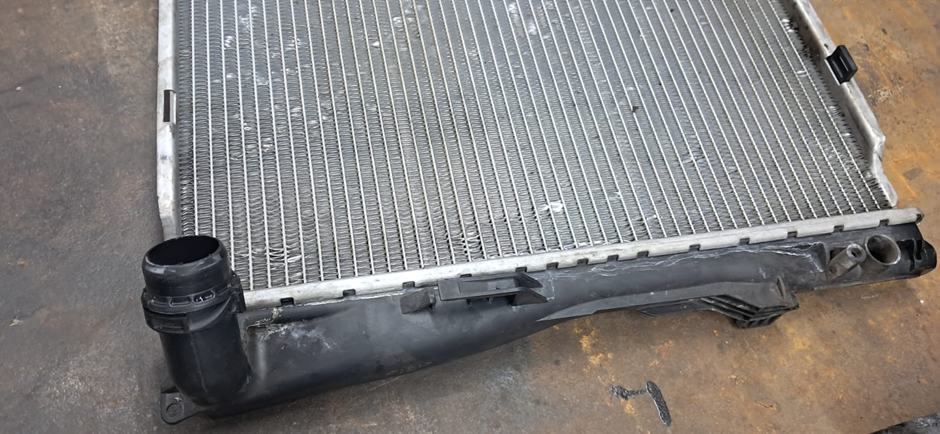
Here you can see the white residue from the leak.
My process was:
I measured the radiator end tanks and created a drawing of the end tanks.
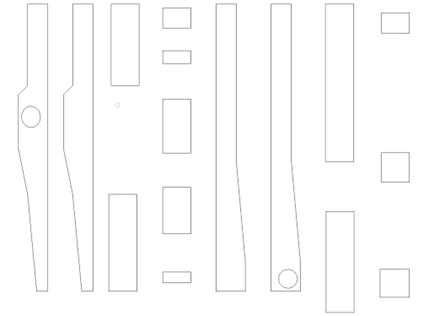
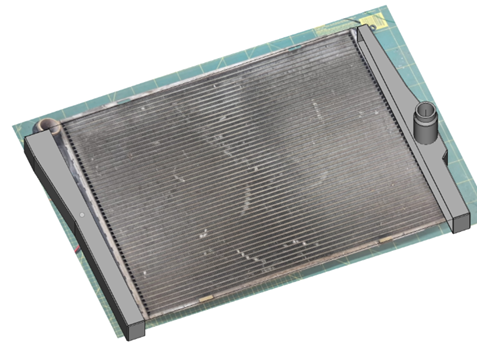
I sent my drawing to have the plates laser cut.
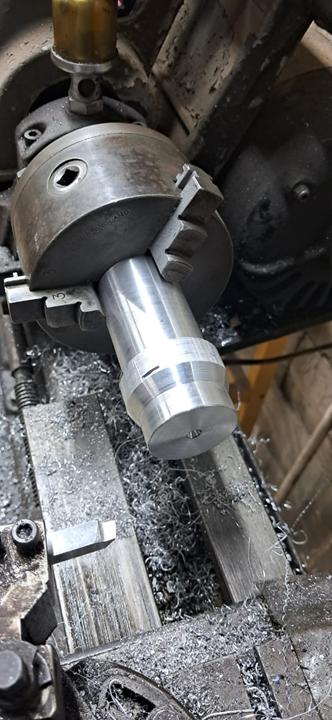
The nozzles in the photo was a 50mm diameter billet I ordered. The material is 6082T6. (aircraft grade), high-strength, excellent corrosion resistance and good machinability
The plate material is 5754 X2 mm thick. (marine grade), it has very good heat and corrosive properties, more than enough for a radiator.
The welding rods used is the common 4043.
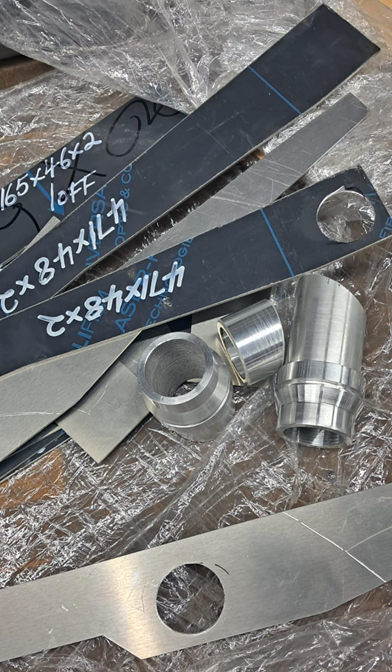
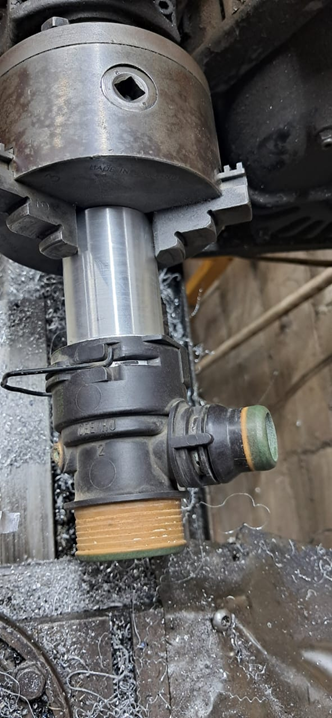
I machined the nozzles on my small Myford lathe. I made the tolerances as per the original plastic end box and used an old pipe fitting to test fit.
I then proceeded to remove the end tanks; in this picture I had already cleaned the end and scraped off the O-ring seal.
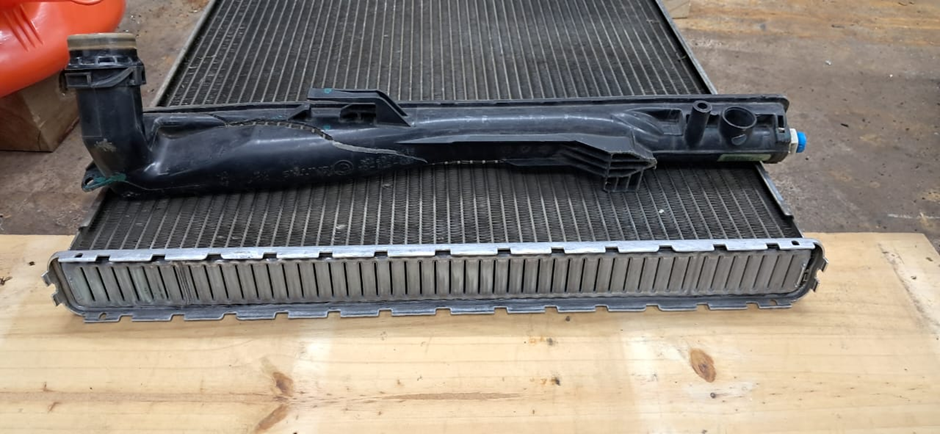
I cut off the crimping tabs to have a straight edge to weld.
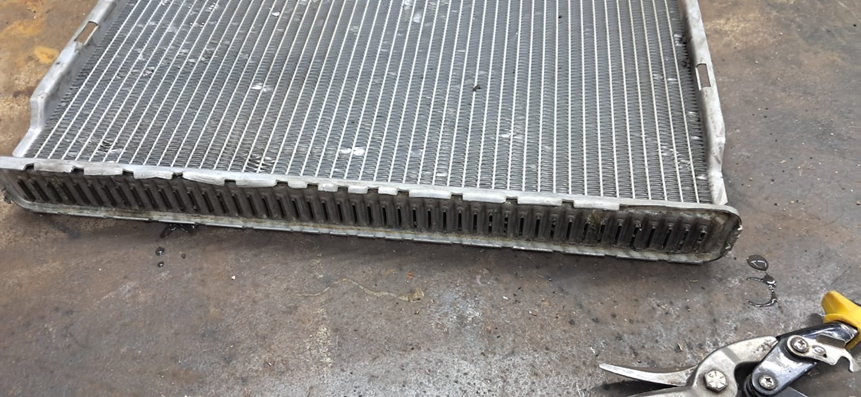
I proceeded to weld.
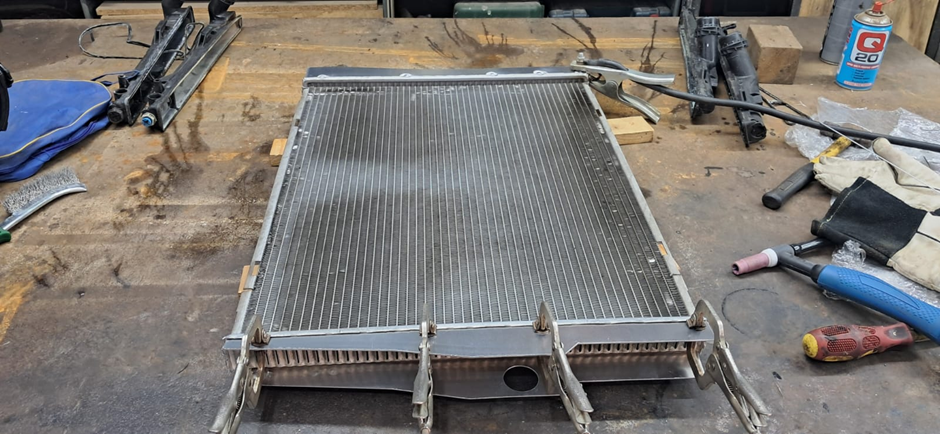
I am still learning how to make Instagram looking welds lol, but I did pressure test at 1.5 bar and there were no leaks. You can see the one corner has a cold weld, but I did go over it again with the torch.
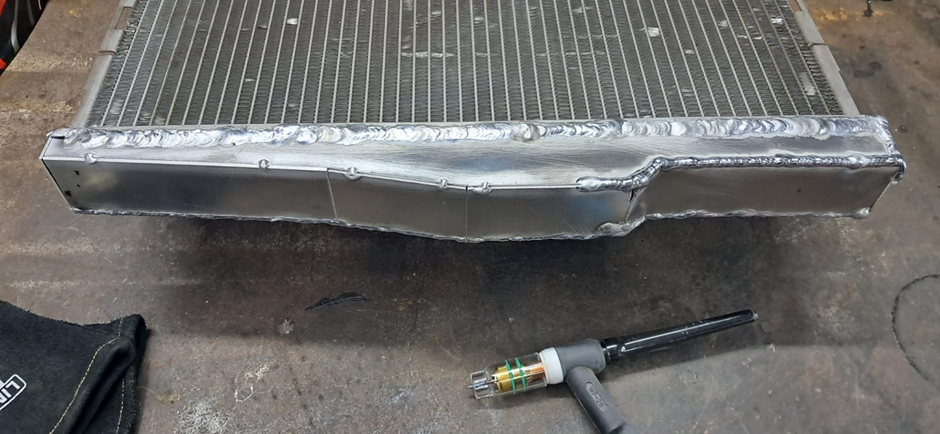
Without this notch the radiator will not fit into the original position. The original plastic end box has this notch and taper as well.
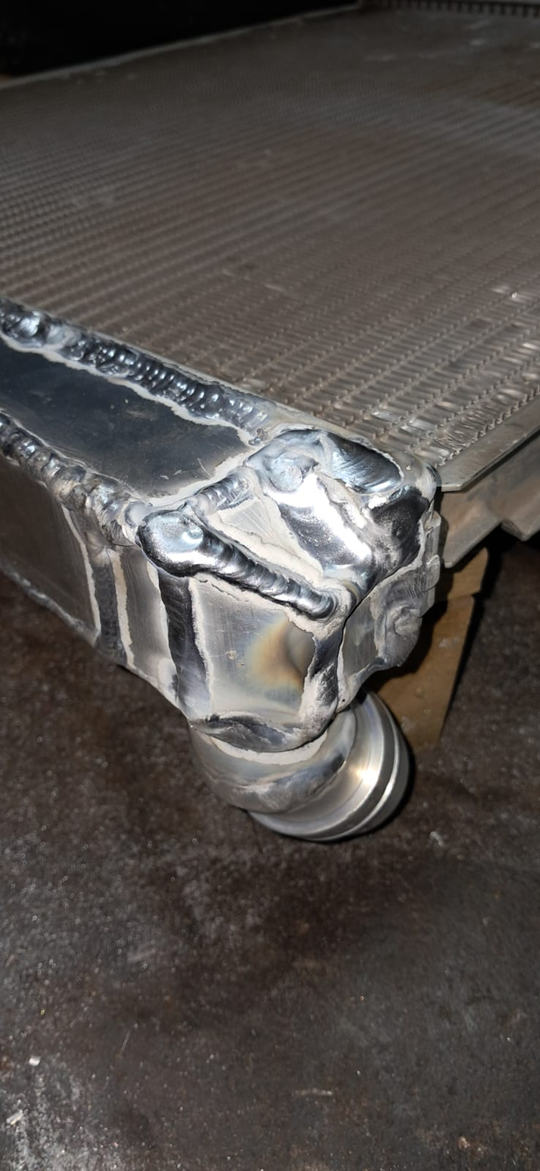
Checking the alignment.
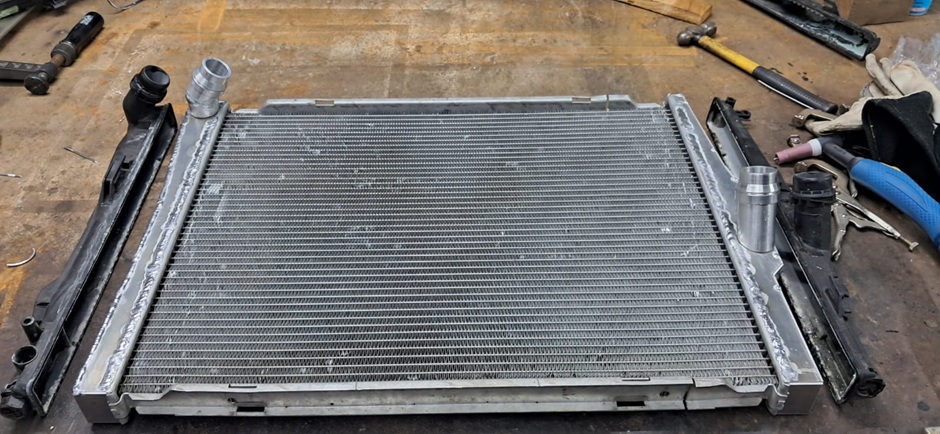
I then made the radiator mounts and fan mounts as per the original plastic end boxes.
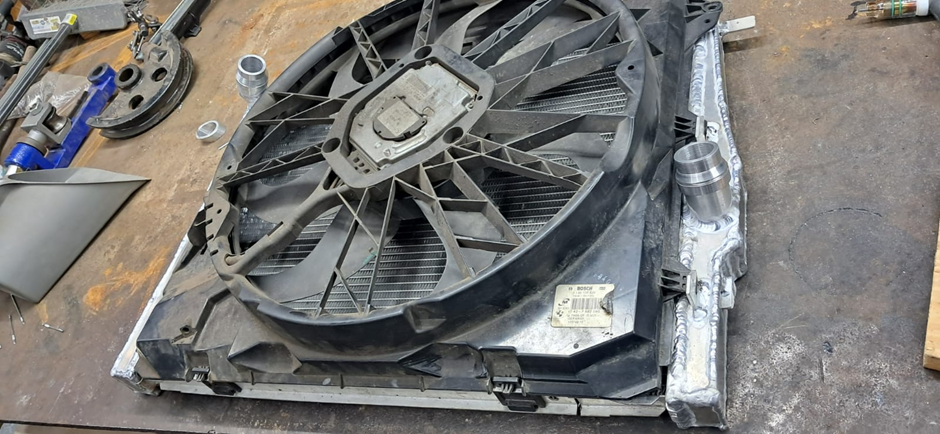
See the V notch on the sides of the radiator to locate into the original mounting positions.
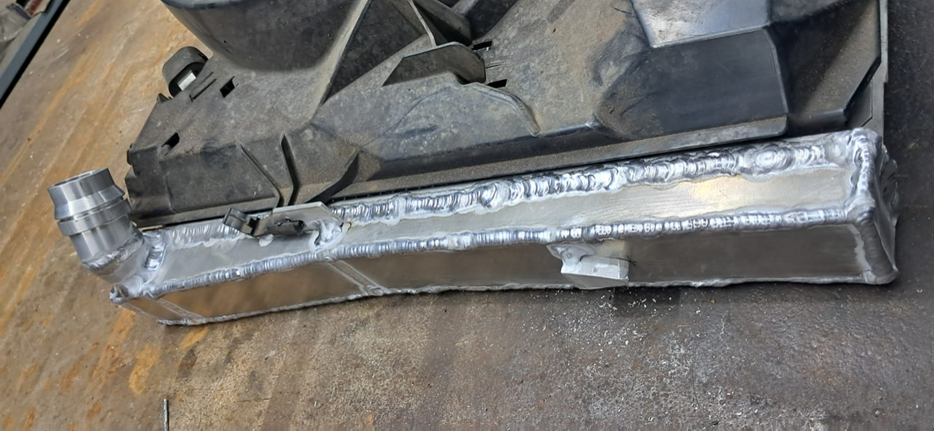
This is a test fit.
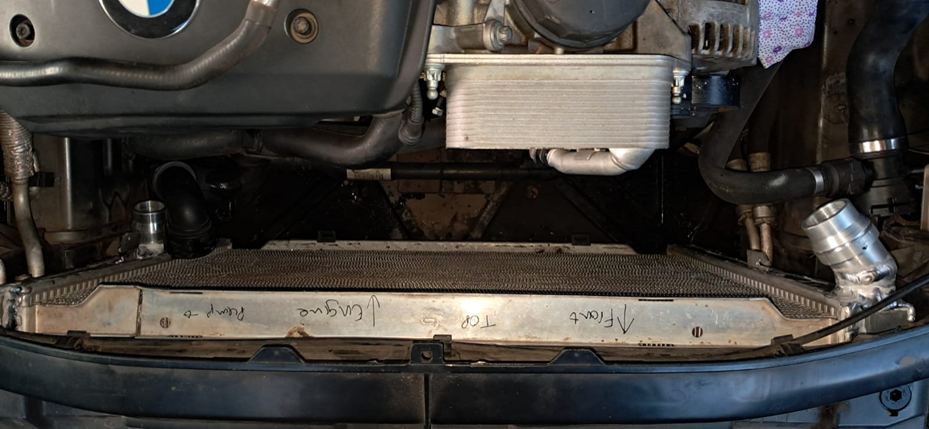
This is final assembly.
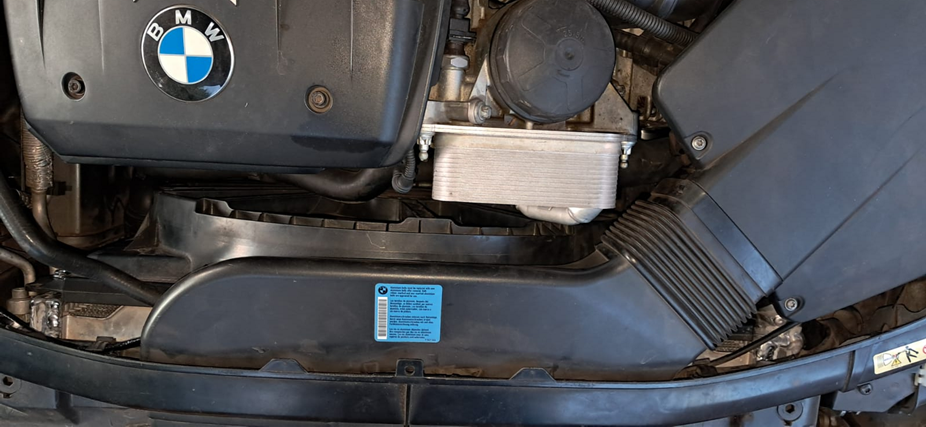
These are the mounting brackets, I did not take a picture of the right side mounting bracket, but it is there.
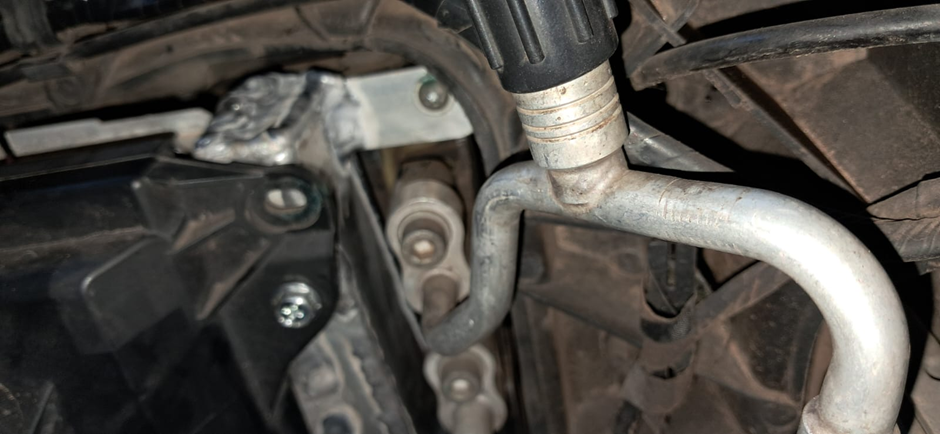
These are the nozzles with the pipes fitted.
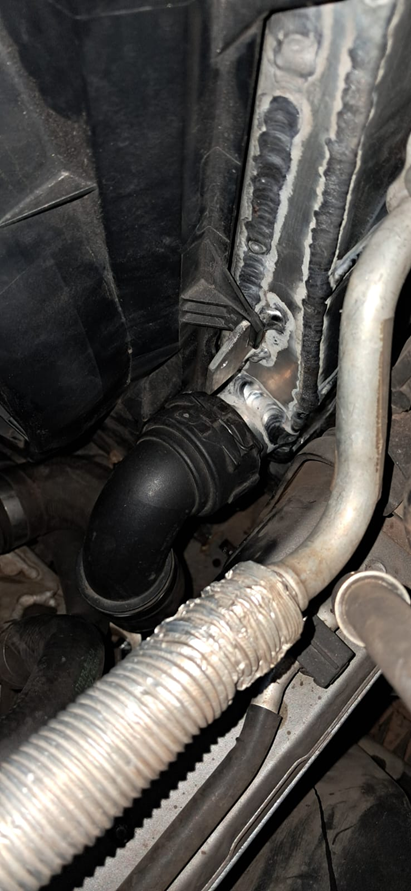
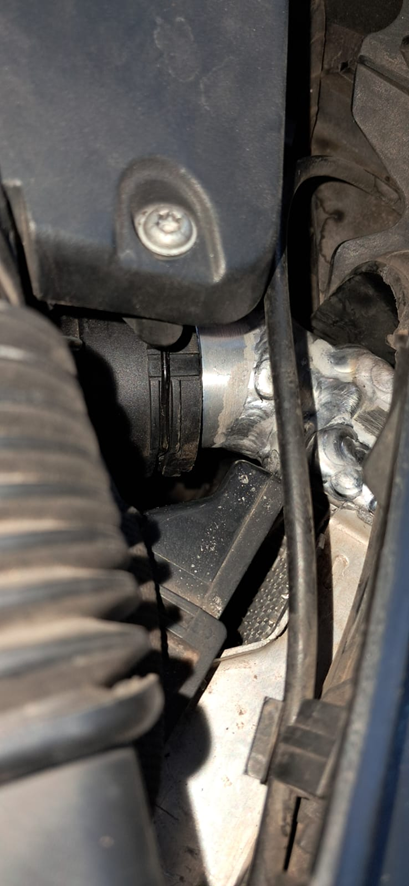
This was testing and checking for leaks, there were none lol.
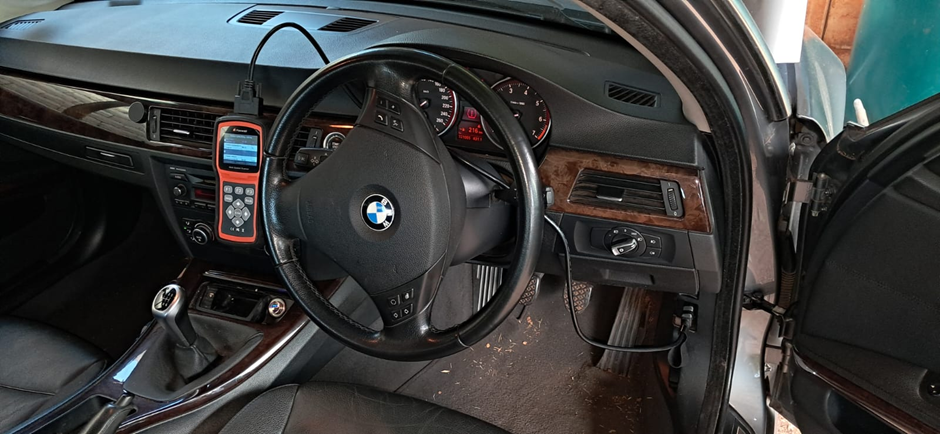
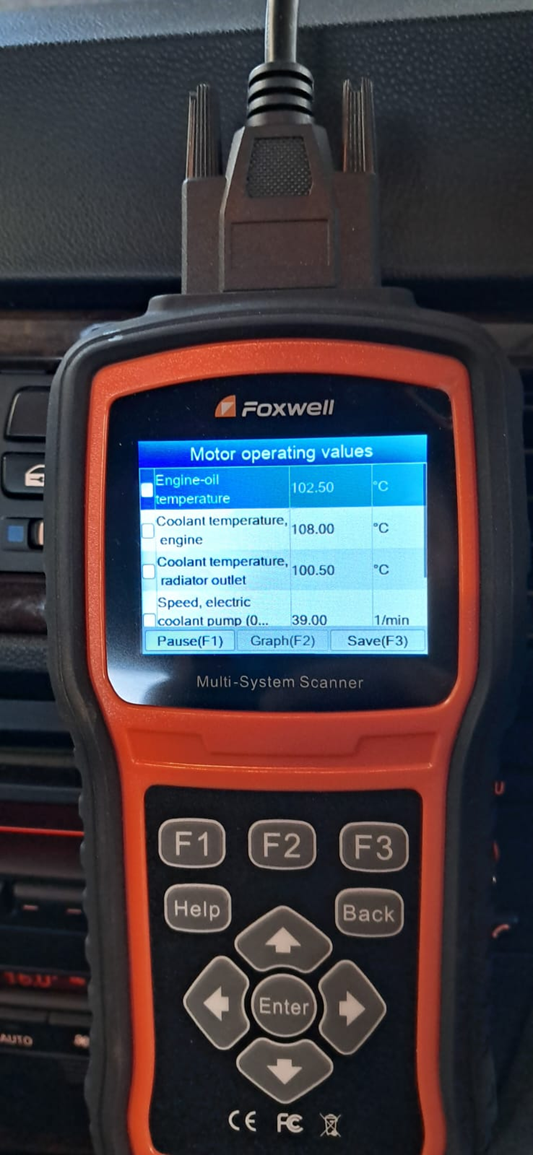
You can see the temperature sometimes goes above 100 degrees and I think this is why the aftermarket radiator failed.
I don’t want to modify my car, but I don’t consider this a modification because I made it the same as the original just a better material for the temperature. I kept the side box profile with the same angles and sizes to not disturb the flow as the engineers designed it. It doesn’t have rounded corners like the injection molded plastic end box, but I don’t this this will affect the flow too much. I also did not put on a drain valve because I don’t think I’ll need it.
This was a very time-consuming job, the BMW nozzles took time to machine on my manual lathe, and the tolerances are very tight. There was approximately 2 meters of welding. This is what adds to the cost of a full aluminum radiator.
You can order a double core for the radiator if you need extra cooling, there is enough space, but the standard single core is good enough for me.
I am quite happy with how it turned out. It would have been cheaper to buy a radiator, when compared to the materials and welding consumables, but I believe I would have to replace the radiator again and therefore this was the better option for me and I get to use my tig welder lol.
I did this myself because metal fabrication is my hobby, and full aluminum radiators were too expensive to import. I decided to post this because when I was doing my research there was other unanswered posts on this topic.
Here you can see the white residue from the leak.
My process was:
I measured the radiator end tanks and created a drawing of the end tanks.
I sent my drawing to have the plates laser cut.
The nozzles in the photo was a 50mm diameter billet I ordered. The material is 6082T6. (aircraft grade), high-strength, excellent corrosion resistance and good machinability
The plate material is 5754 X2 mm thick. (marine grade), it has very good heat and corrosive properties, more than enough for a radiator.
The welding rods used is the common 4043.
I machined the nozzles on my small Myford lathe. I made the tolerances as per the original plastic end box and used an old pipe fitting to test fit.
I then proceeded to remove the end tanks; in this picture I had already cleaned the end and scraped off the O-ring seal.
I cut off the crimping tabs to have a straight edge to weld.
I proceeded to weld.
I am still learning how to make Instagram looking welds lol, but I did pressure test at 1.5 bar and there were no leaks. You can see the one corner has a cold weld, but I did go over it again with the torch.
Without this notch the radiator will not fit into the original position. The original plastic end box has this notch and taper as well.
Checking the alignment.
I then made the radiator mounts and fan mounts as per the original plastic end boxes.
See the V notch on the sides of the radiator to locate into the original mounting positions.
This is a test fit.
This is final assembly.
These are the mounting brackets, I did not take a picture of the right side mounting bracket, but it is there.
These are the nozzles with the pipes fitted.
This was testing and checking for leaks, there were none lol.
You can see the temperature sometimes goes above 100 degrees and I think this is why the aftermarket radiator failed.
I don’t want to modify my car, but I don’t consider this a modification because I made it the same as the original just a better material for the temperature. I kept the side box profile with the same angles and sizes to not disturb the flow as the engineers designed it. It doesn’t have rounded corners like the injection molded plastic end box, but I don’t this this will affect the flow too much. I also did not put on a drain valve because I don’t think I’ll need it.
This was a very time-consuming job, the BMW nozzles took time to machine on my manual lathe, and the tolerances are very tight. There was approximately 2 meters of welding. This is what adds to the cost of a full aluminum radiator.
You can order a double core for the radiator if you need extra cooling, there is enough space, but the standard single core is good enough for me.
I am quite happy with how it turned out. It would have been cheaper to buy a radiator, when compared to the materials and welding consumables, but I believe I would have to replace the radiator again and therefore this was the better option for me and I get to use my tig welder lol.
Last edited:


