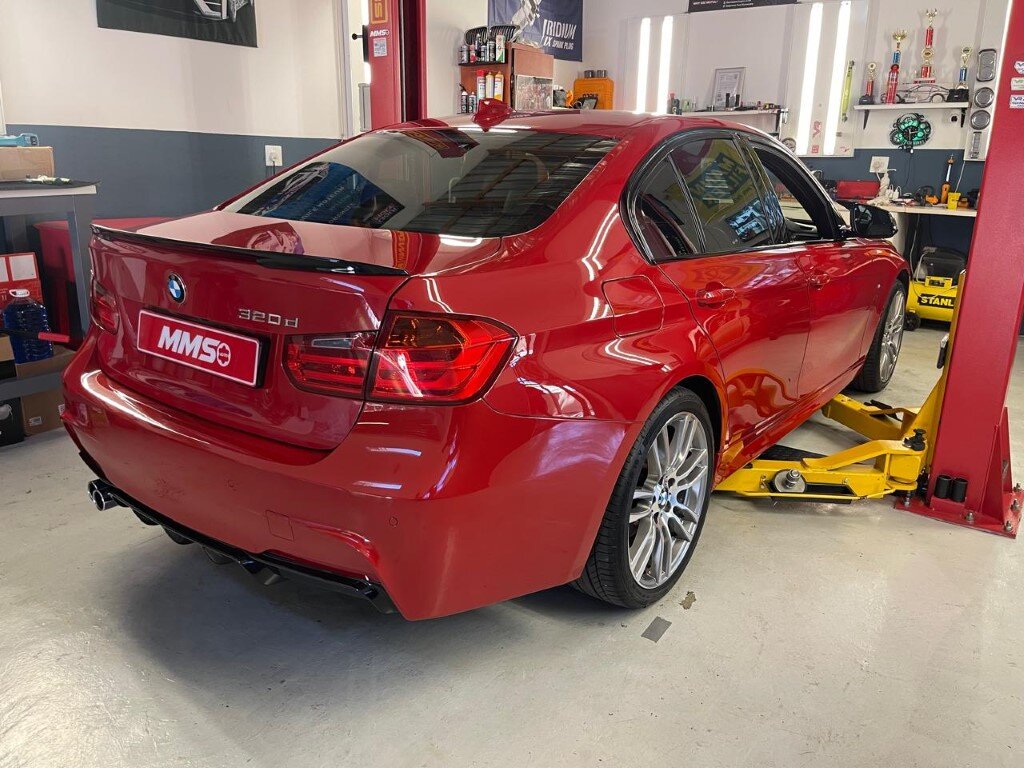
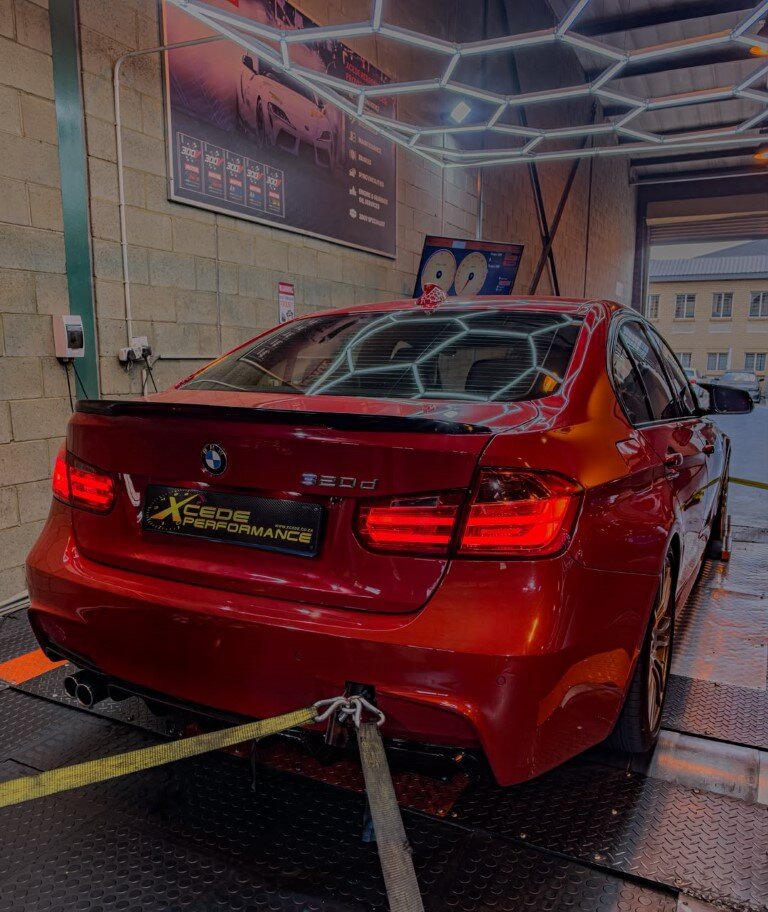
I’ve now driven roughly 1,500 km since the last service, including a proper road trip down to KZN. The fuel consumption was honestly impressive.
I filled the tank before leaving Johannesburg and, by the time we reached Bergview, the car still had just over three-quarters of a tank remaining. Consumption was sitting at around 4.8 L/100 km while cruising at approximately 130 km/h.
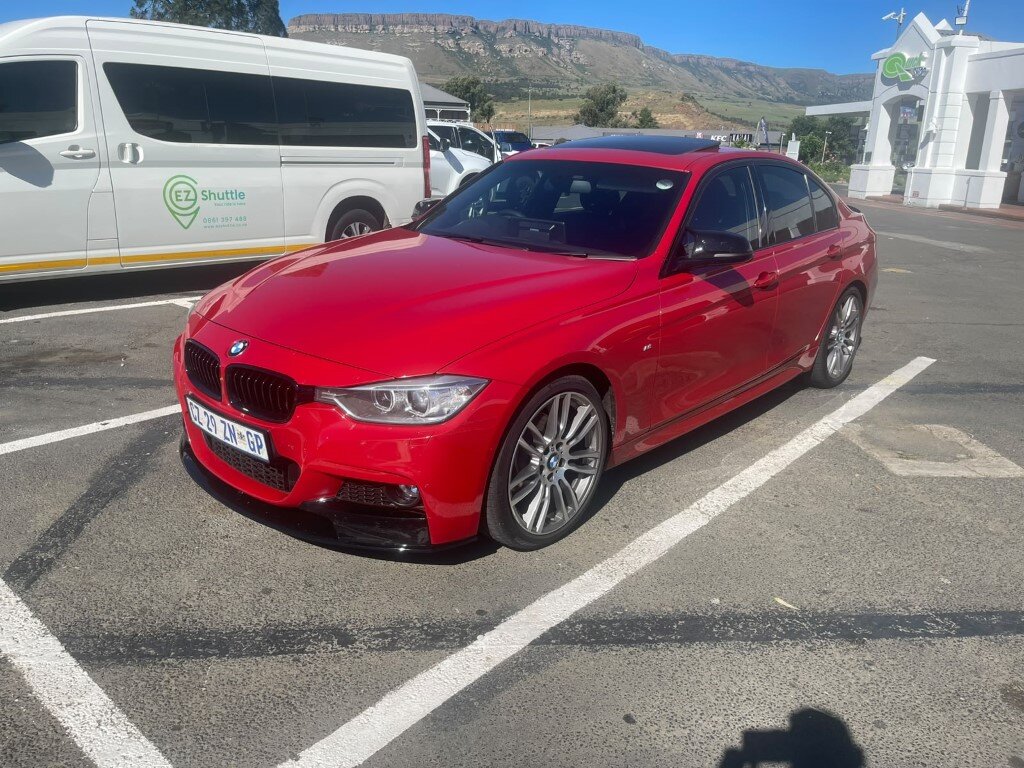
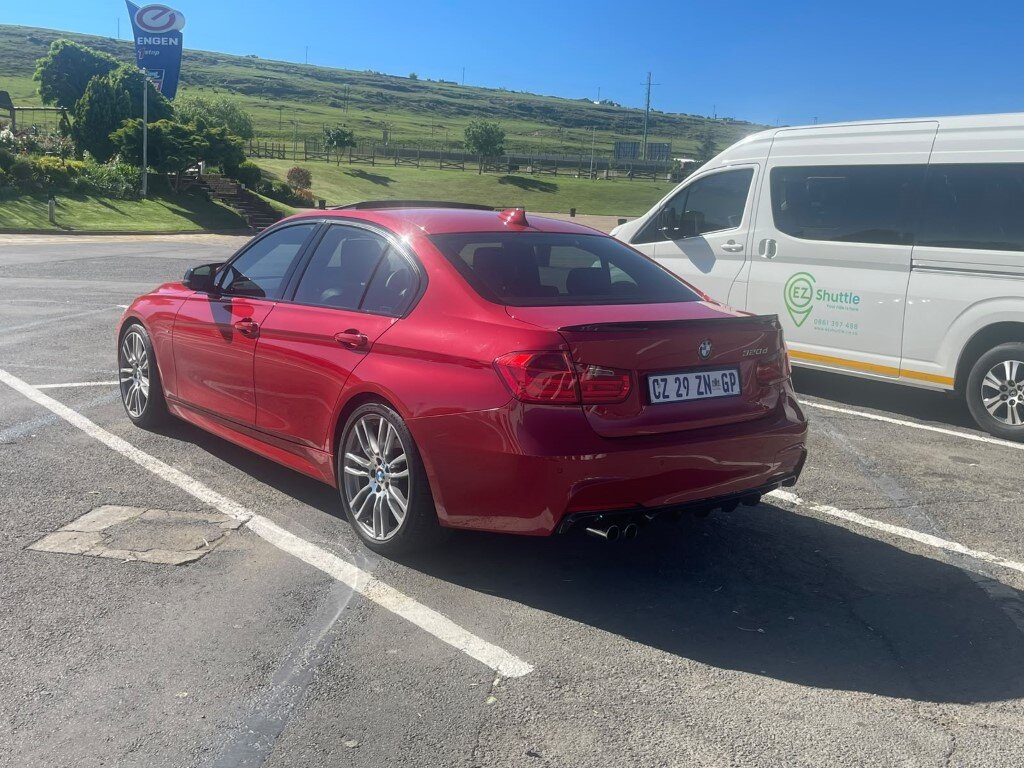
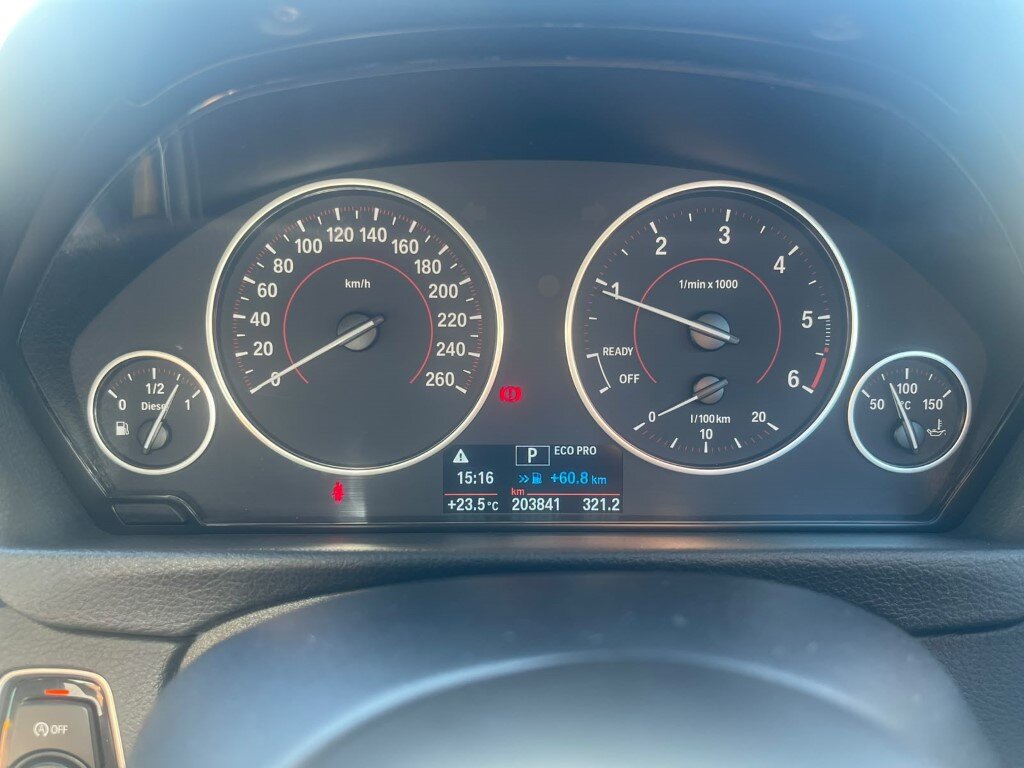
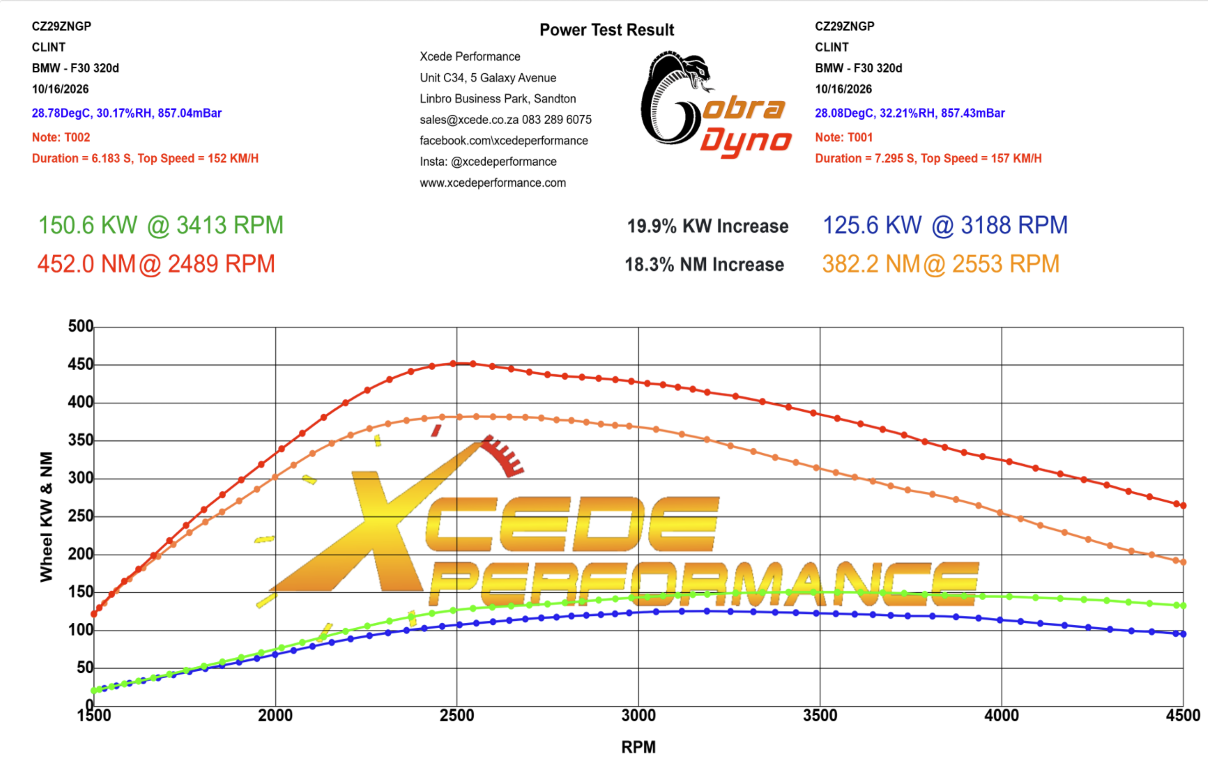
For a 200,000+ km 320d making 150 kW and 452 Nm, I really can’t complain about that.
The second half of the trip, however, became a little more interesting.
I started hearing what sounded like an exhaust leak and noticed more smoke than usual whenever I put my foot down. The car was still driving perfectly normally, with no warning lights or other issues, so I avoided pushing it and continued cruising until Durban.
We arrived without any drama and still had just under half a tank left. Johannesburg to Durban on a little over half a tank is seriously impressive, especially considering the exhaust leak developed along the way.
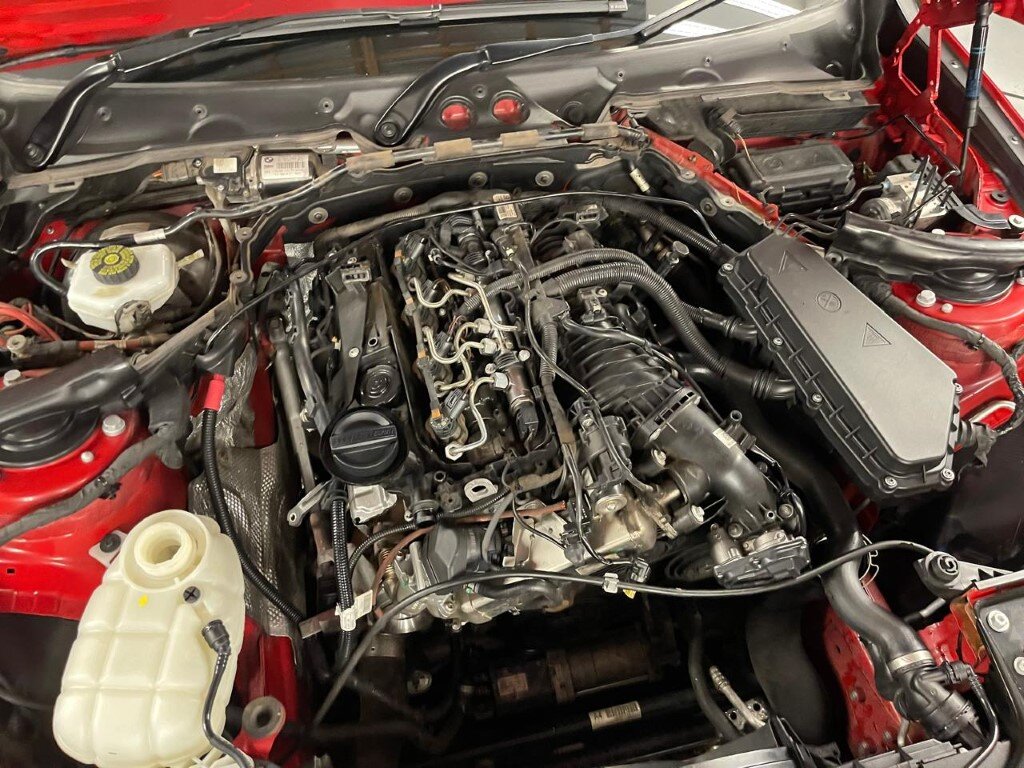
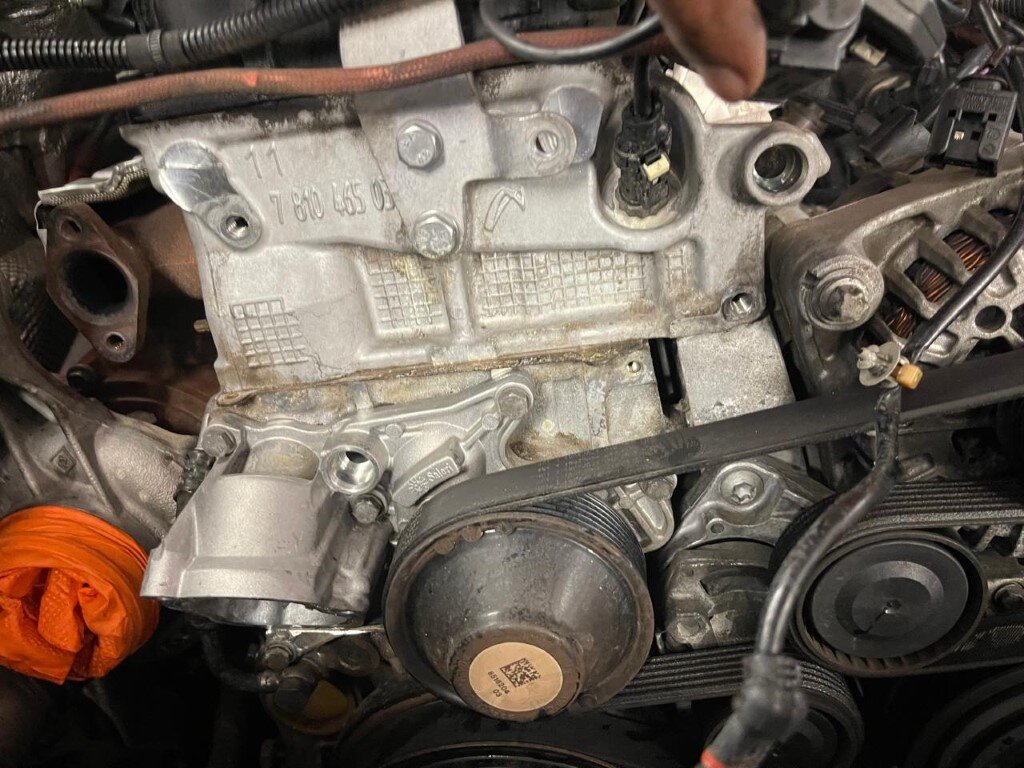
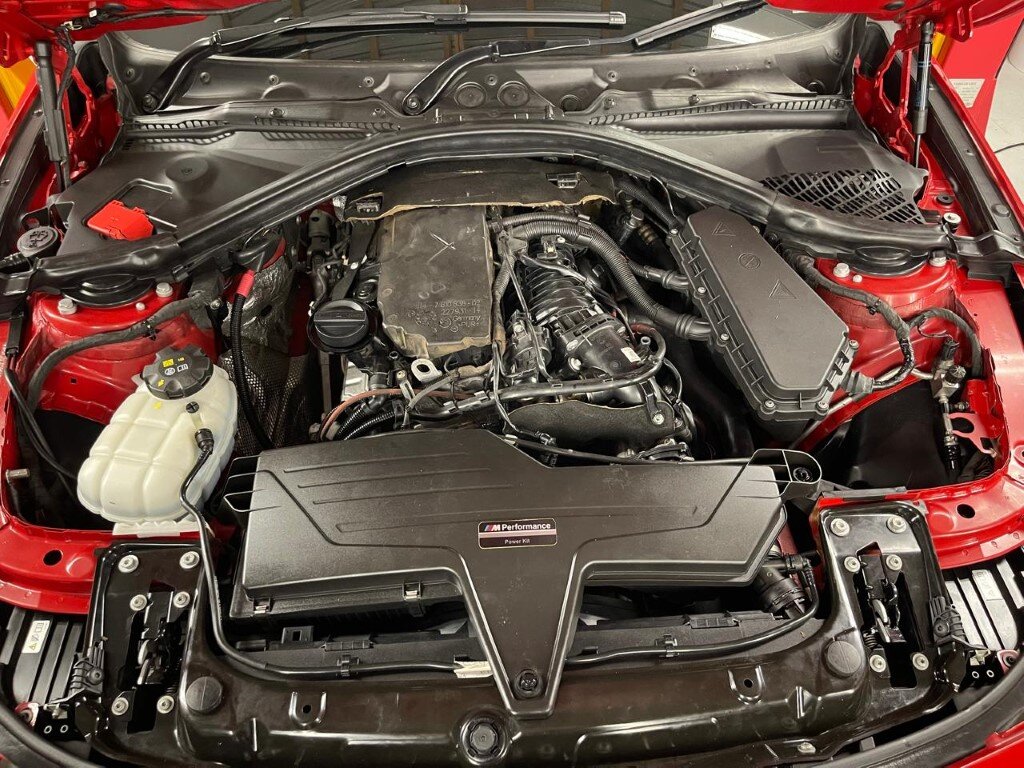
The following morning, once the engine had cooled down completely, I opened the bonnet and found the culprit.
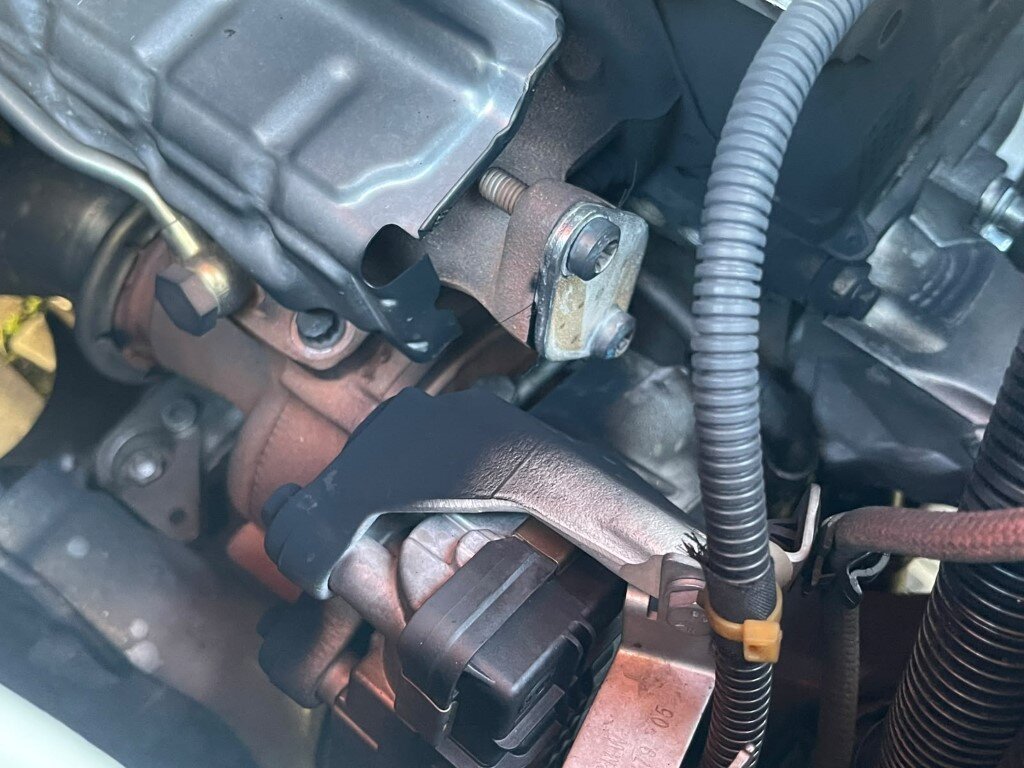
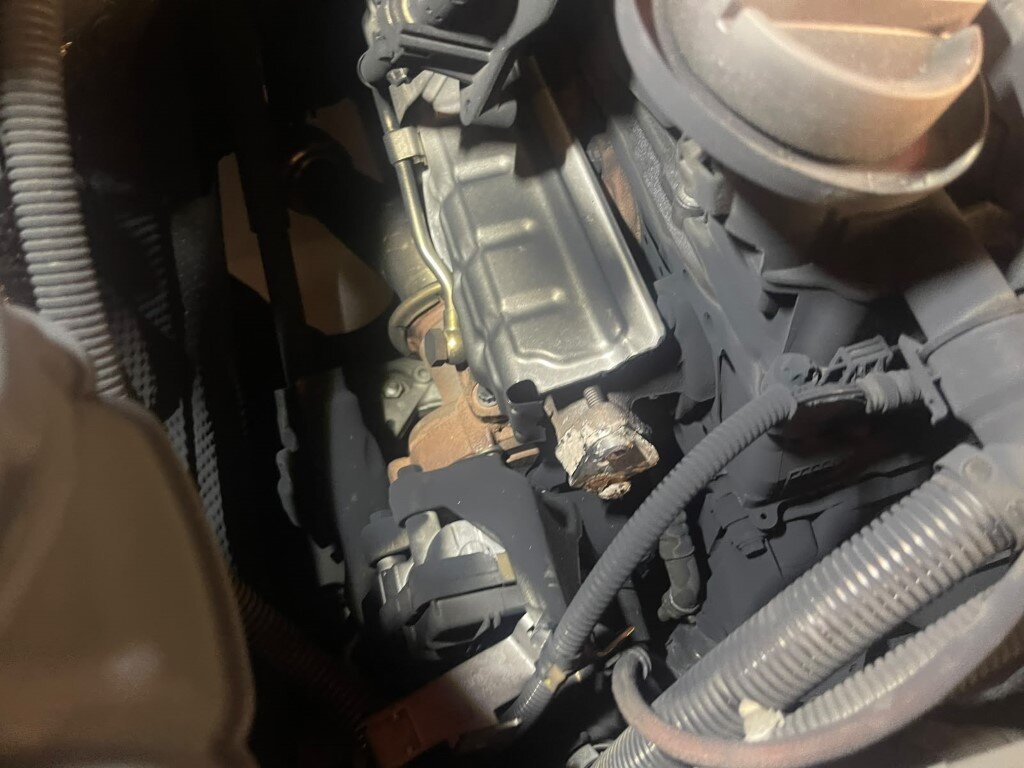
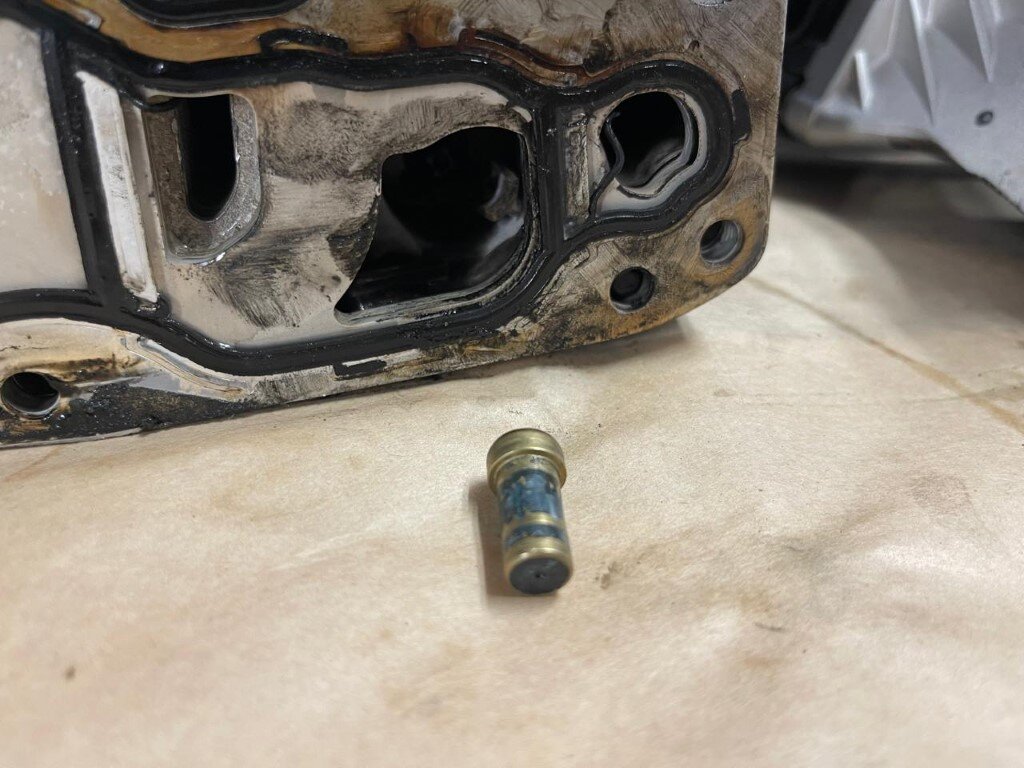
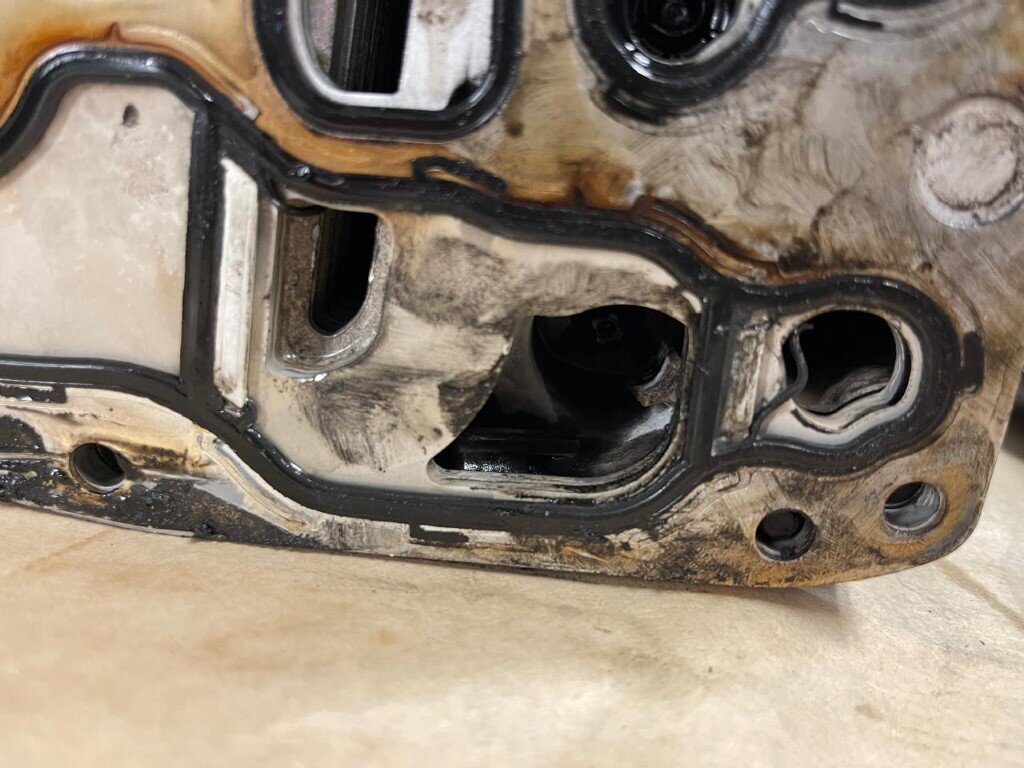
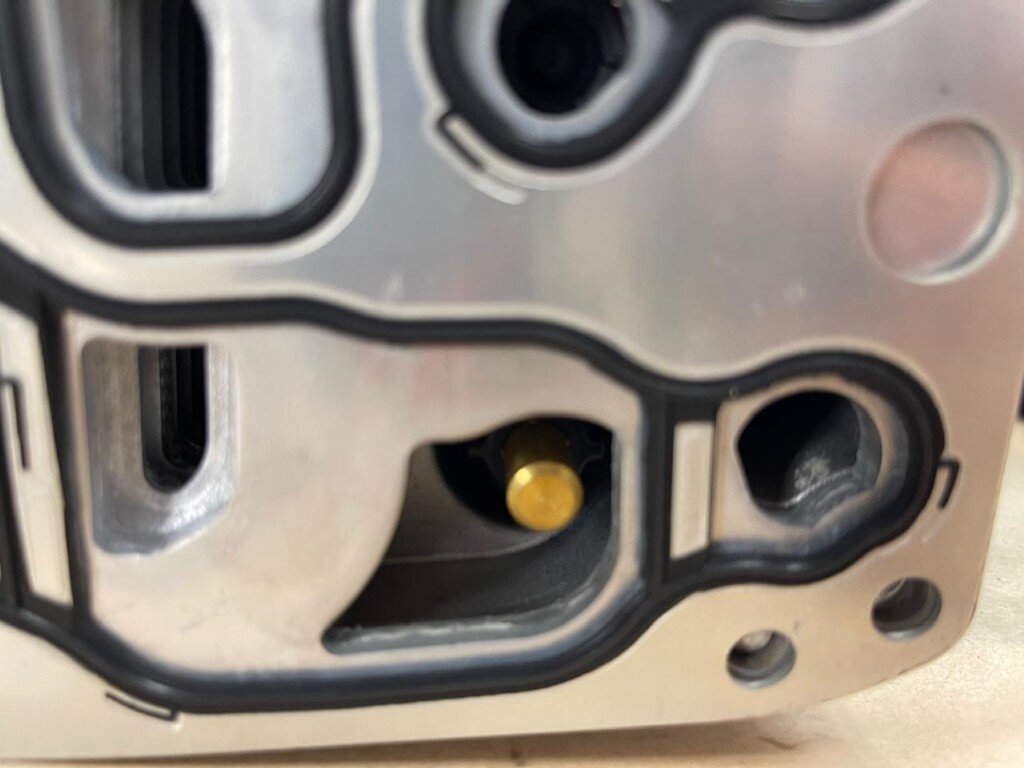
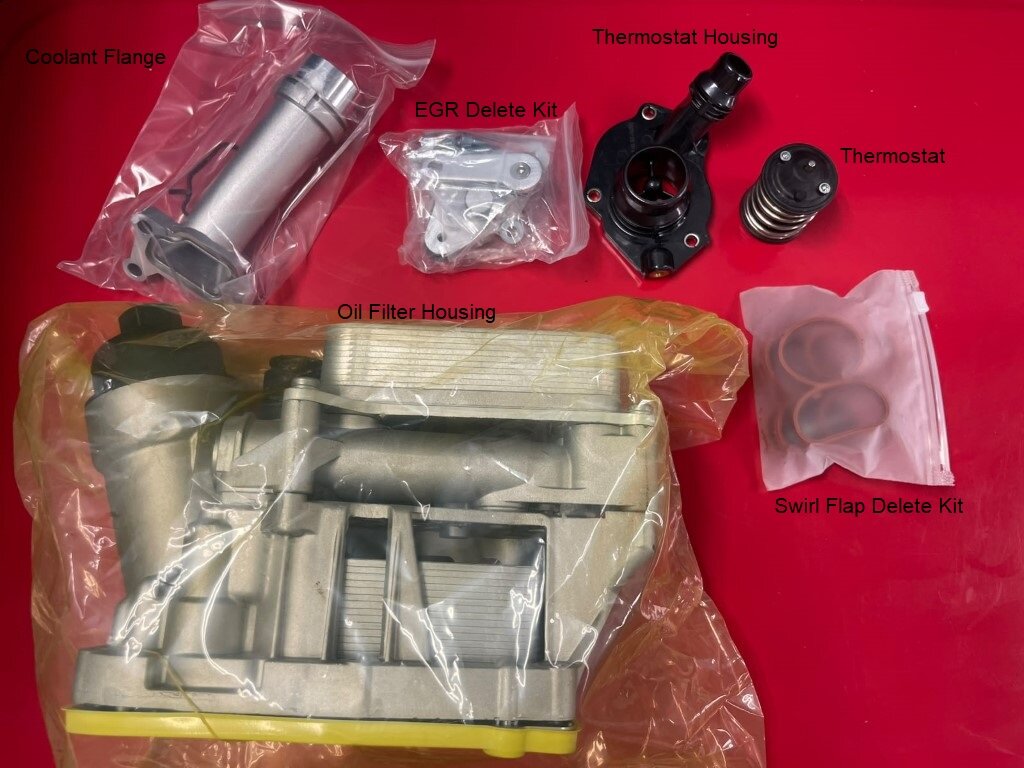
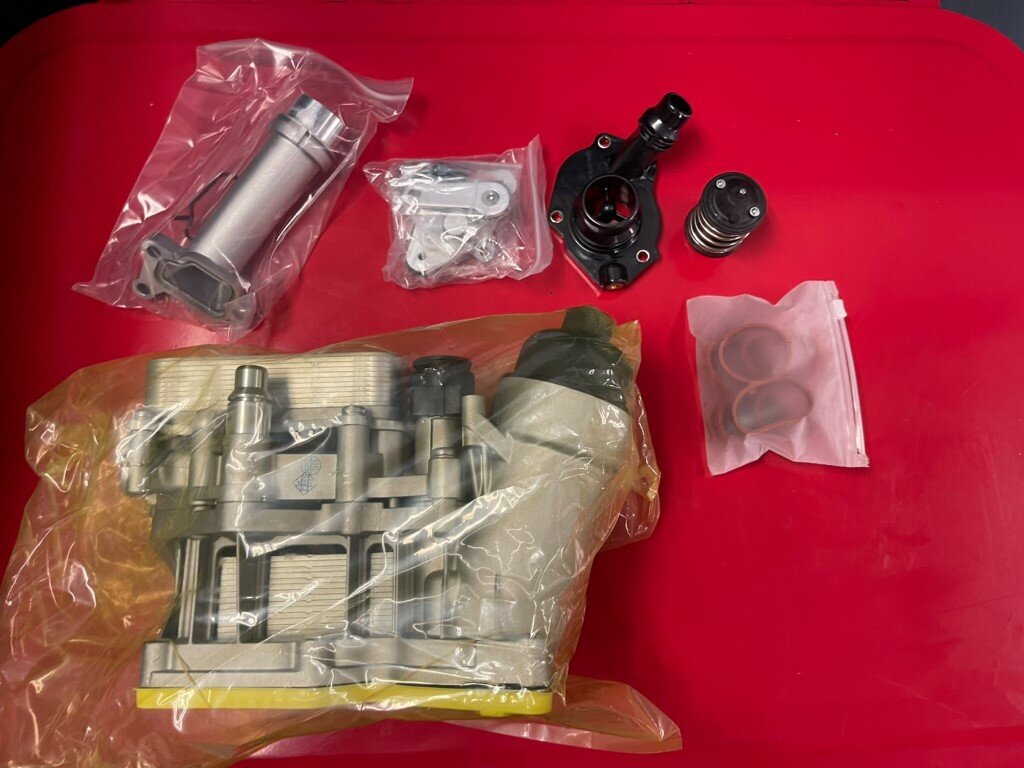
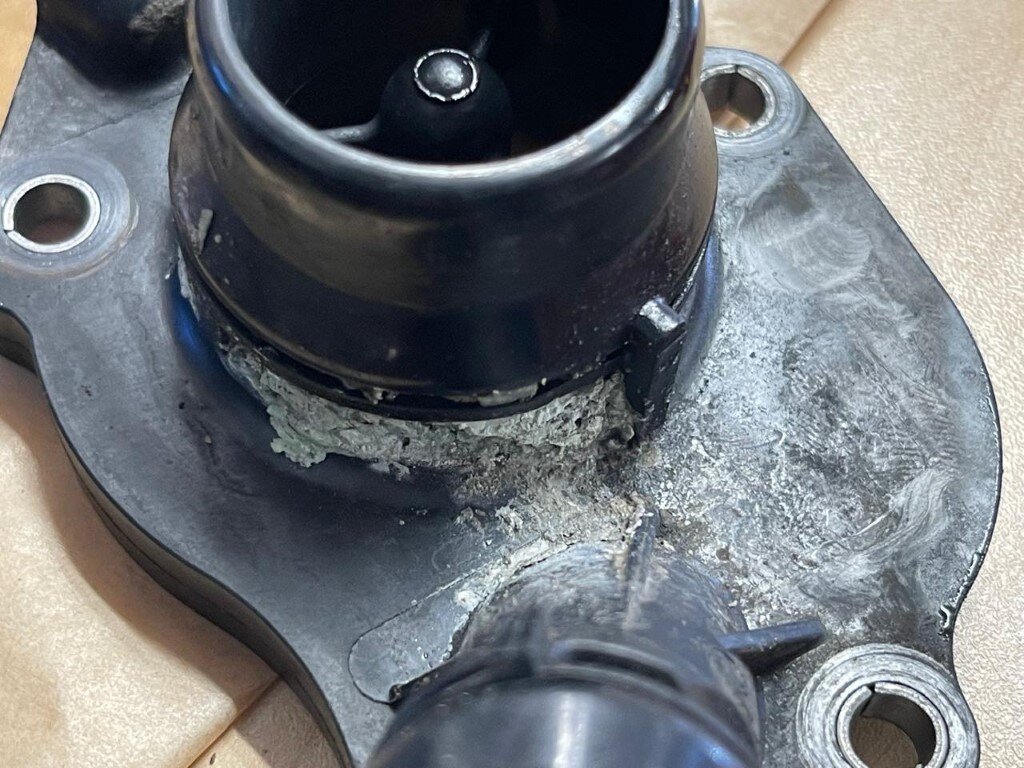
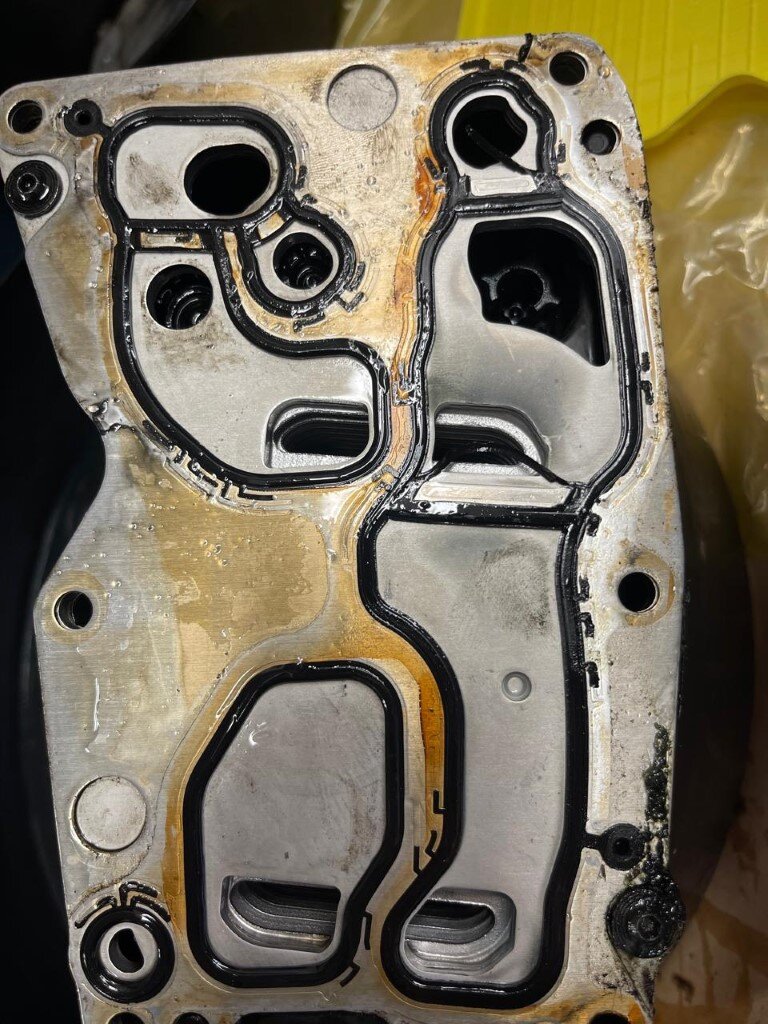
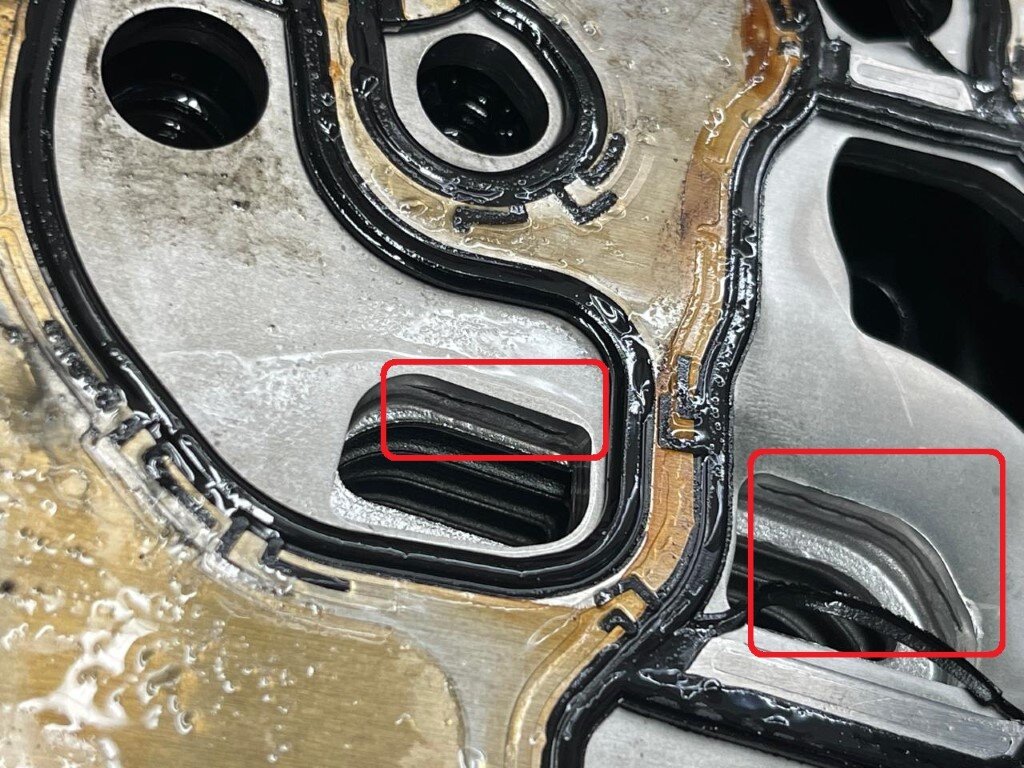
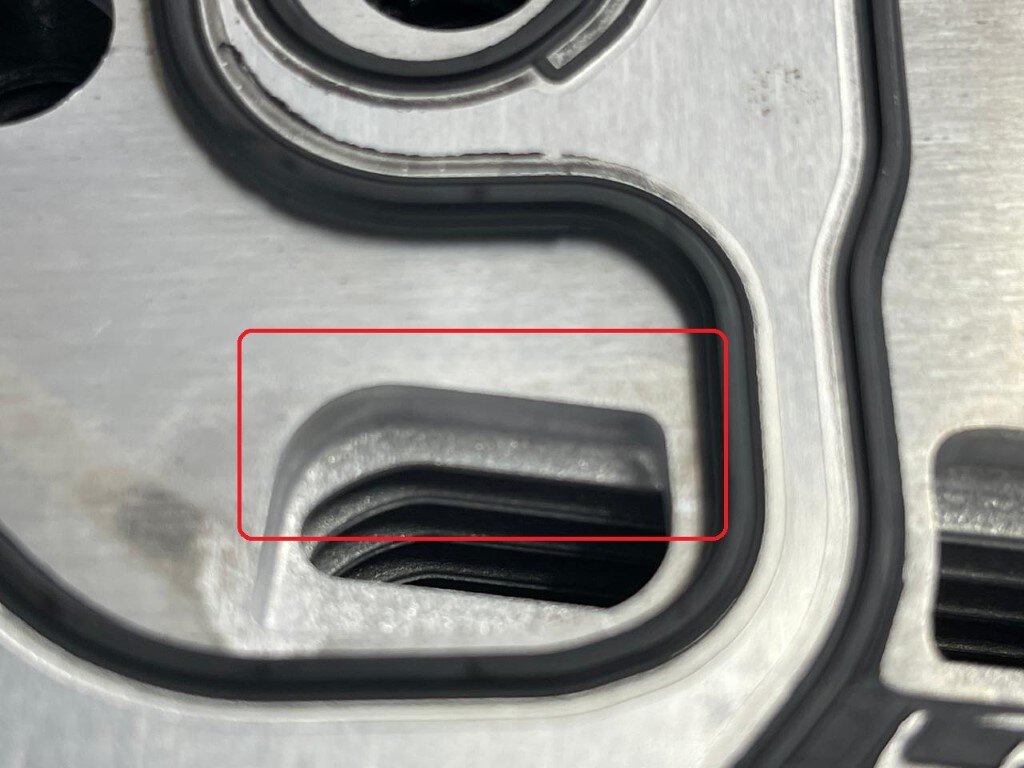
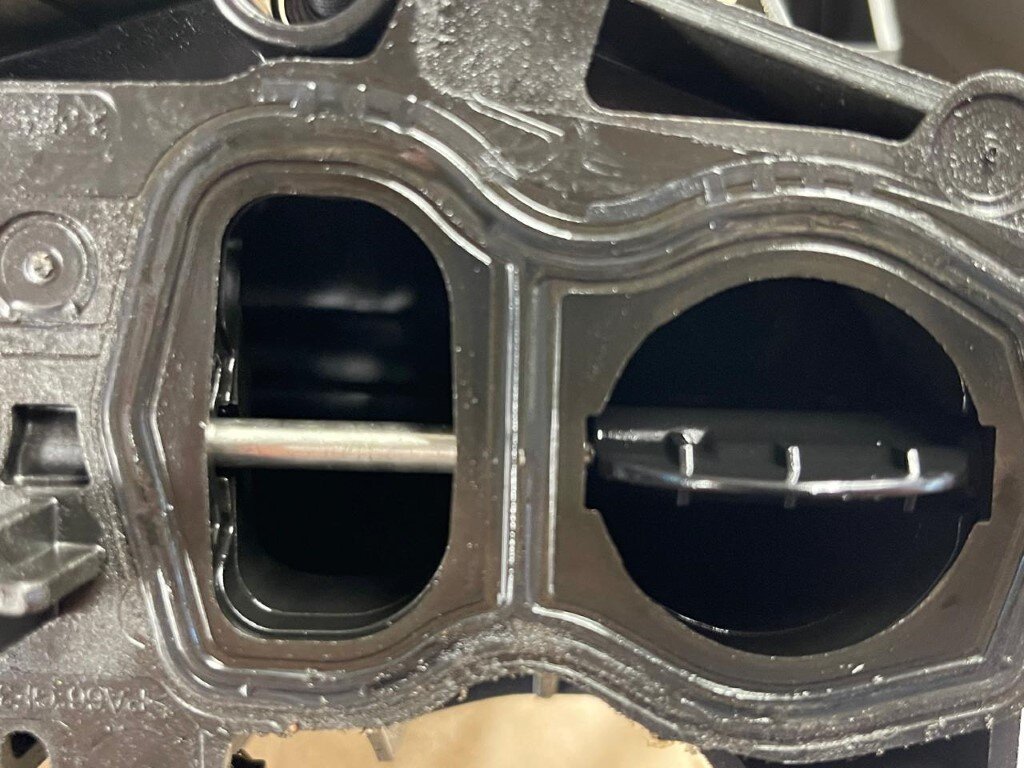
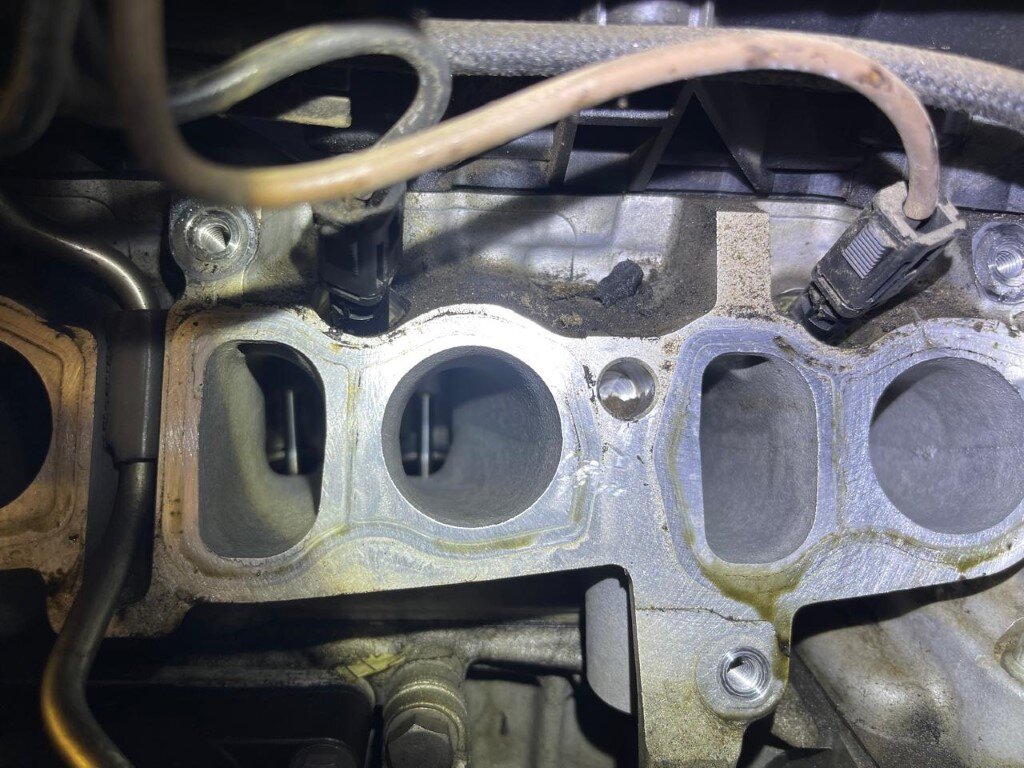
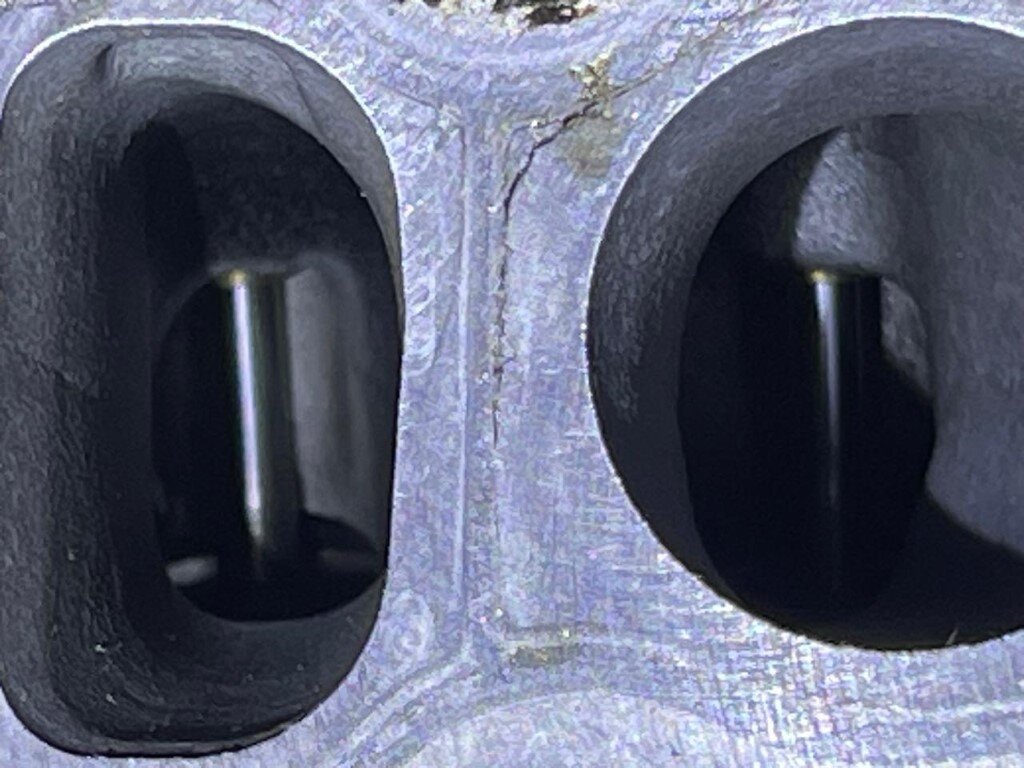
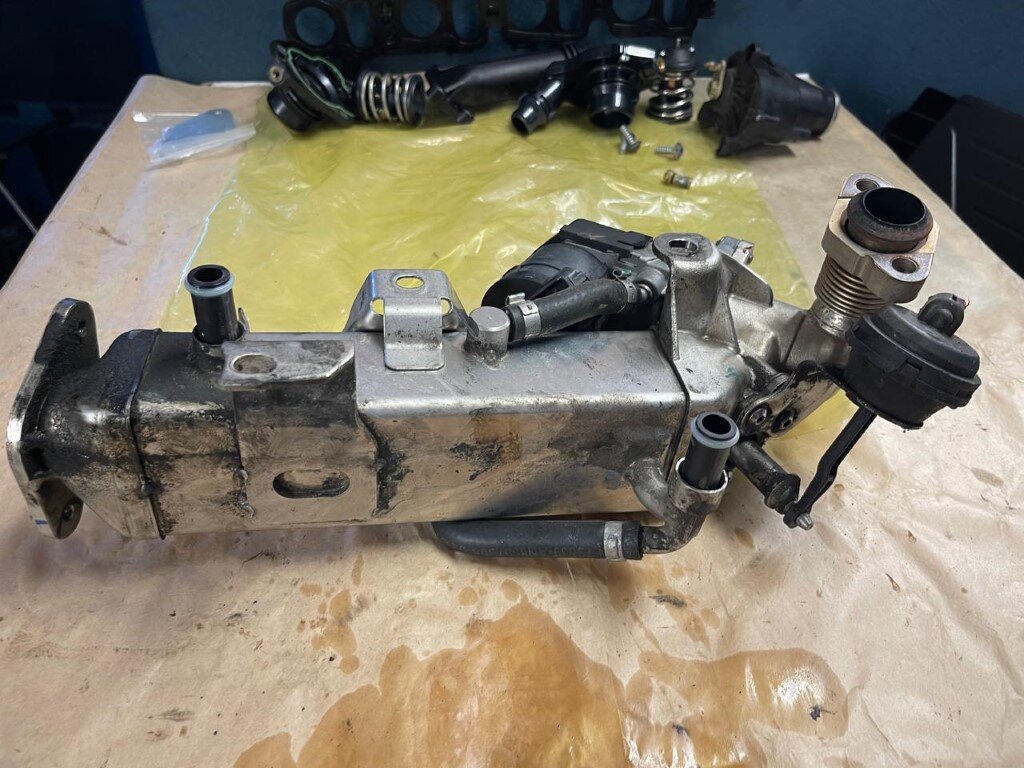
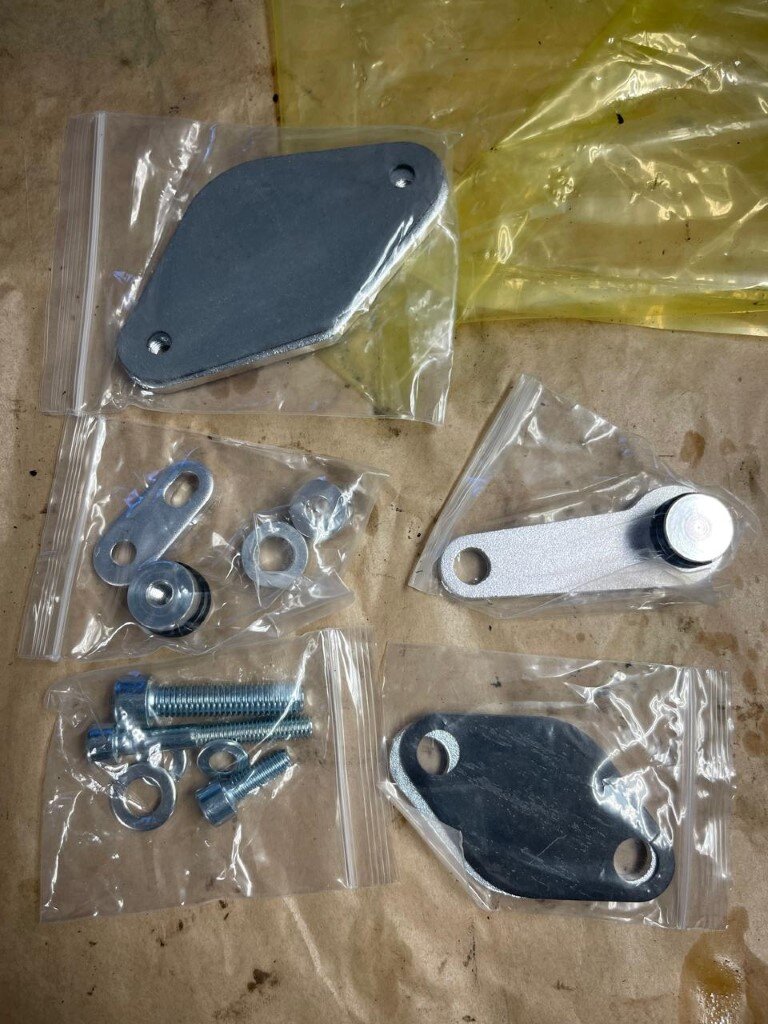
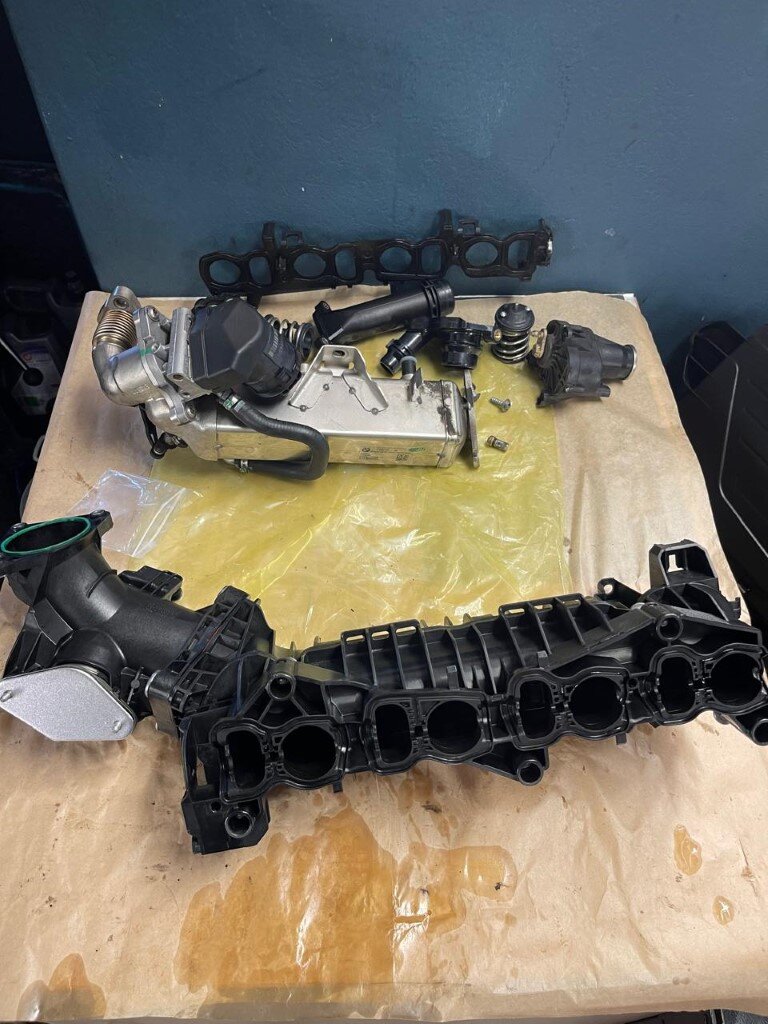
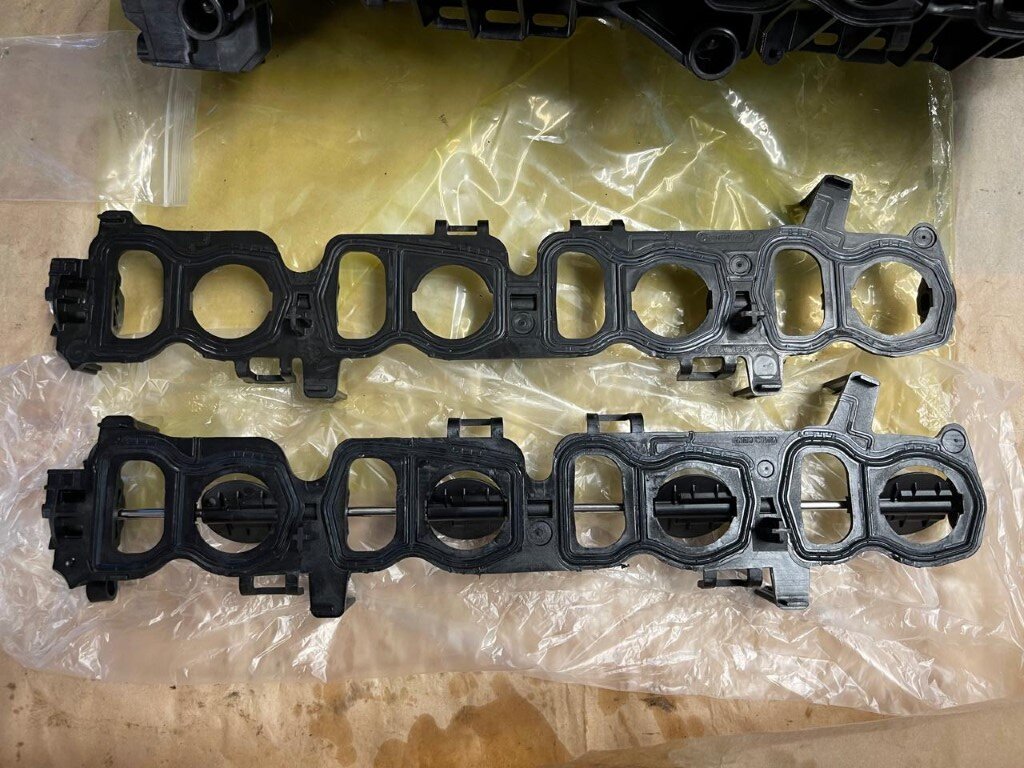
The aluminium EGR blanking plate supplied with the delete kit had distorted. After the sustained heat of the long-distance drive, the plate had bent at its weakest point and allowed exhaust pressure to blow past the gasket.
Not exactly ideal when you’re hundreds of kilometres from home. 😂
With limited tools and parts available, I removed and refitted the plate using exhaust sealer as a temporary measure to get me back to Johannesburg. It helped a little, but definitely wasn’t a permanent solution.
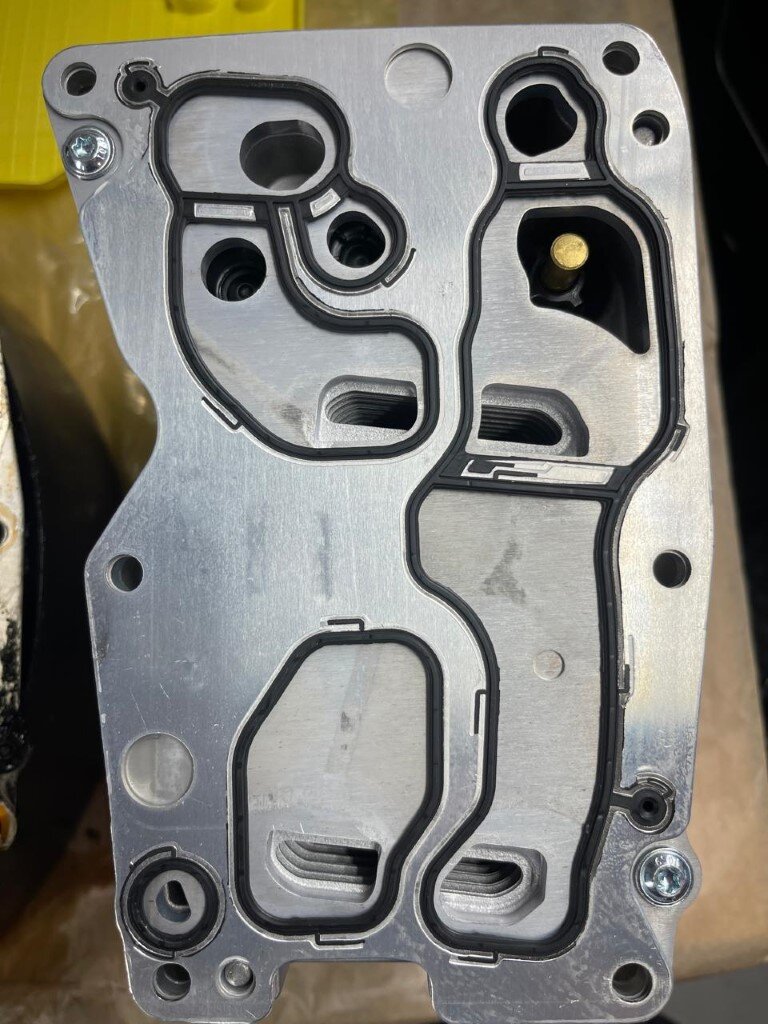
Once we got home, I removed the damaged aluminium plate and fitted two new plates together as a double stack to give the blanking point considerably more rigidity.
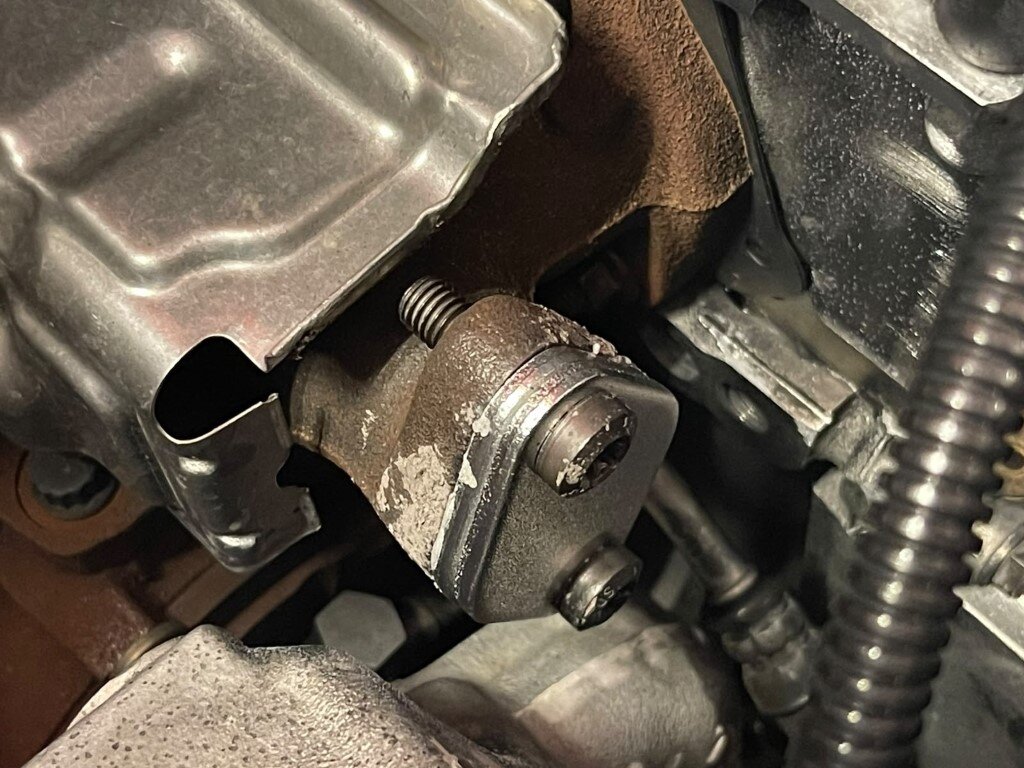
I’ll keep an eye on it going forward, but it’s definitely something worth noting with some of these aluminium EGR delete plates.
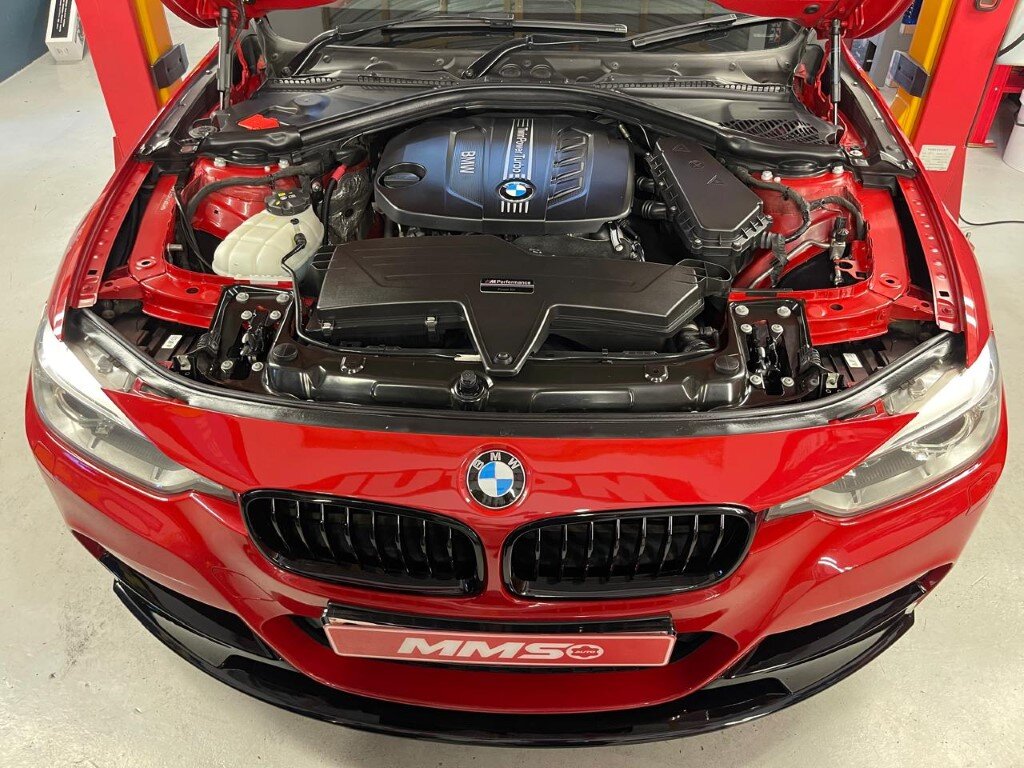
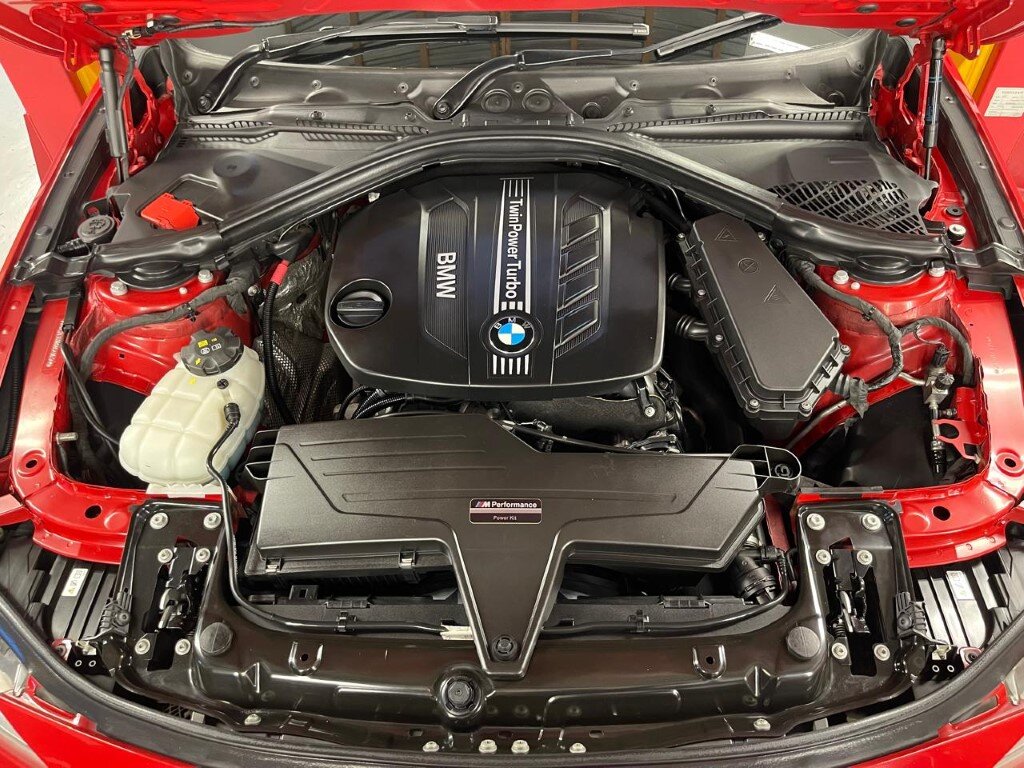
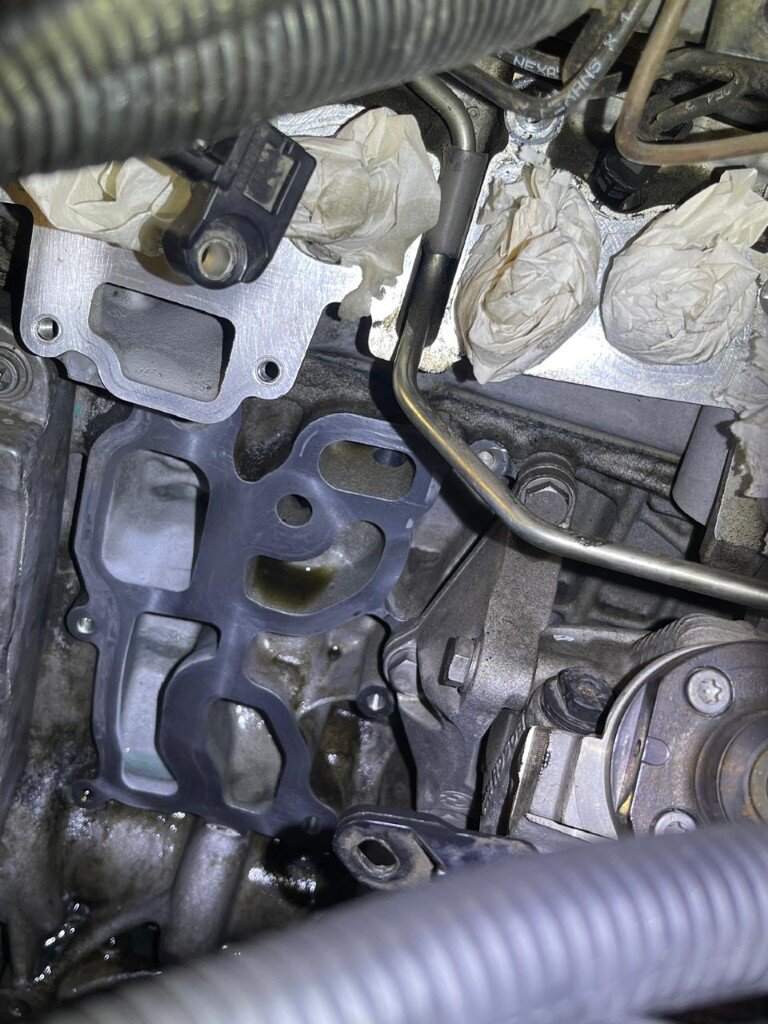
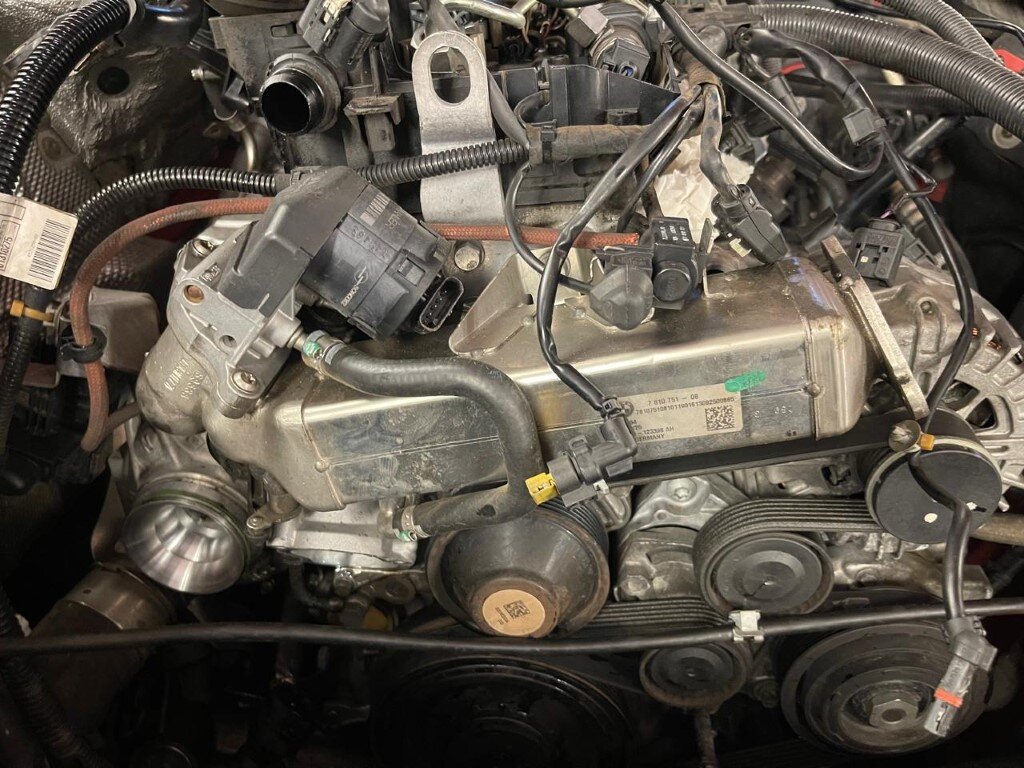
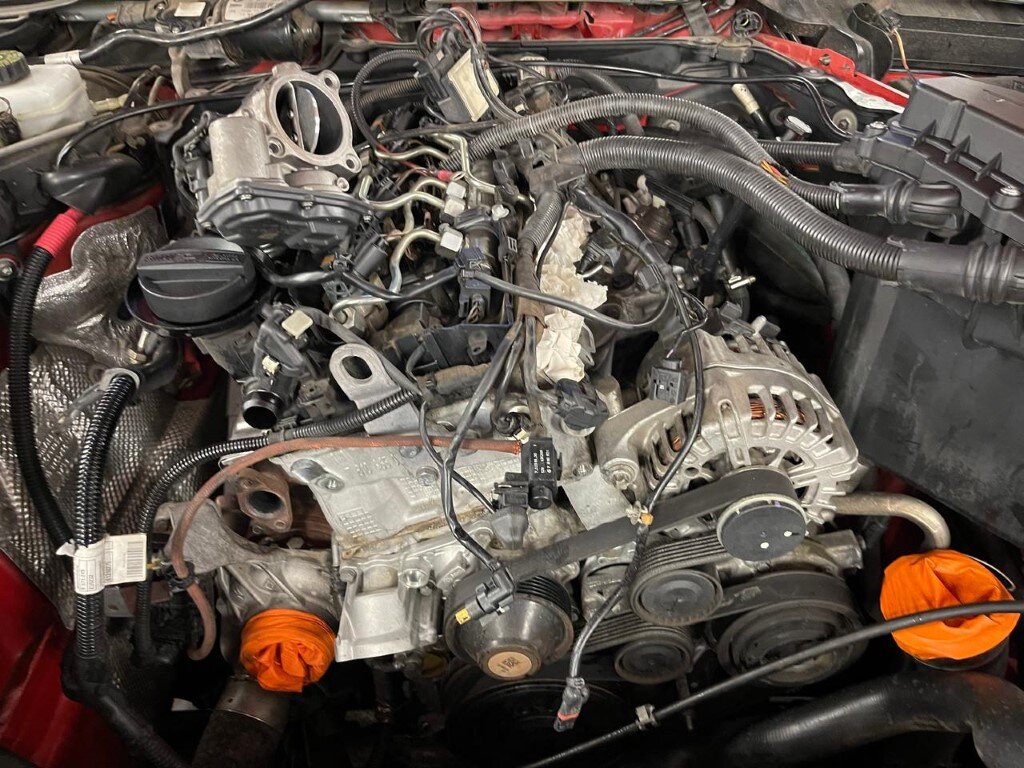
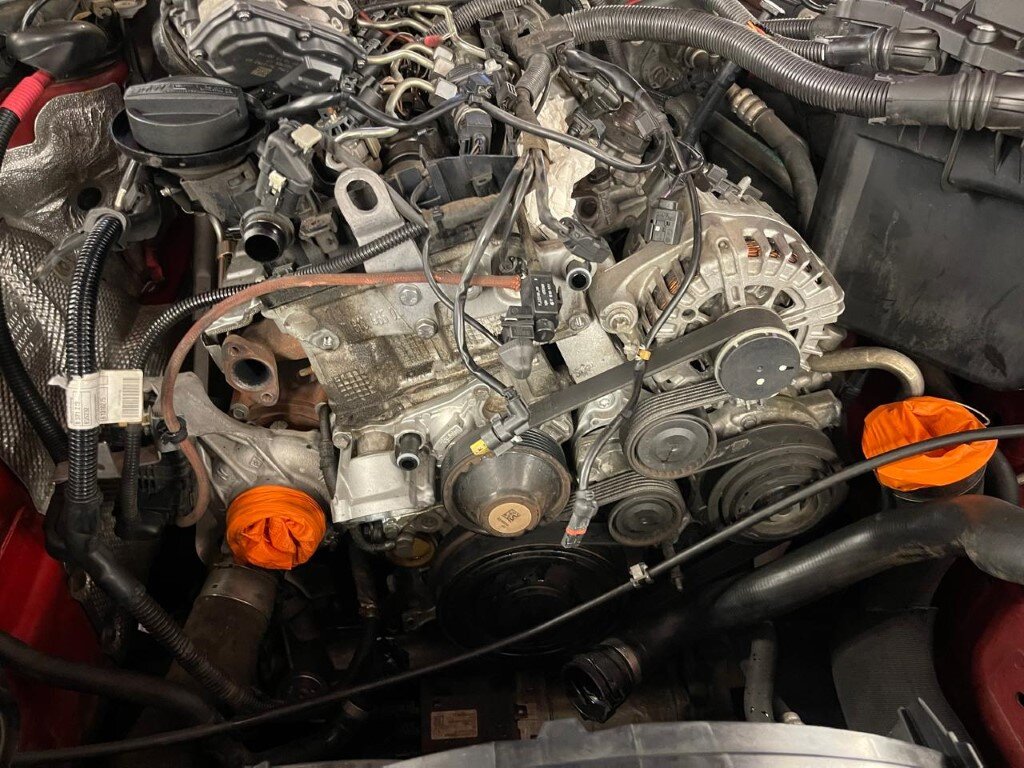
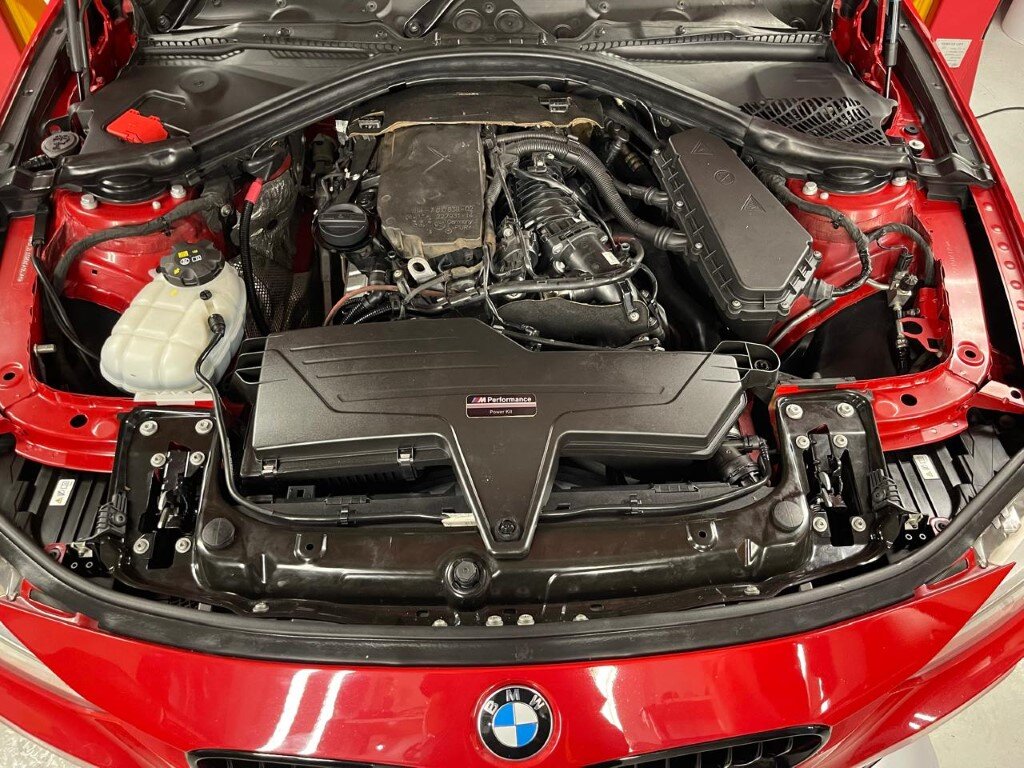
After sorting that out, the engine bay needed some serious attention. The exhaust leak had made a mess, so everything got a proper clean with degreaser, foam, brushes and the pressure washer.
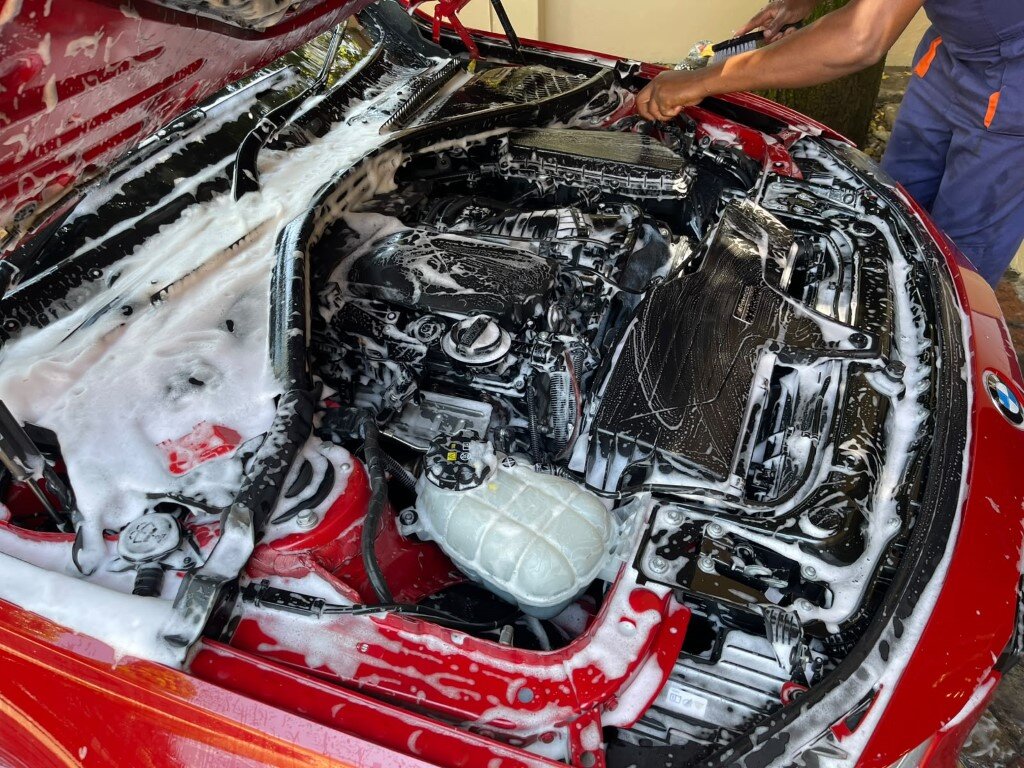
Once the engine bay was clean again, I checked the engine-oil level on the dipstick.
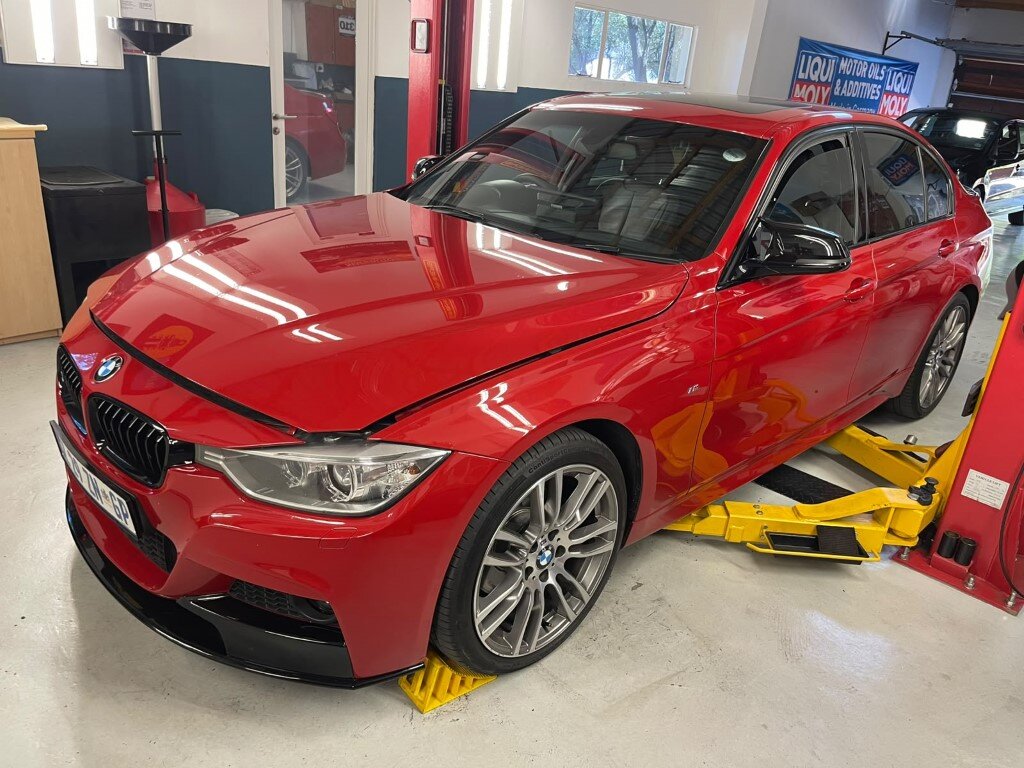
The level was perfect, but after around 1,500 km the oil was already noticeably dark.
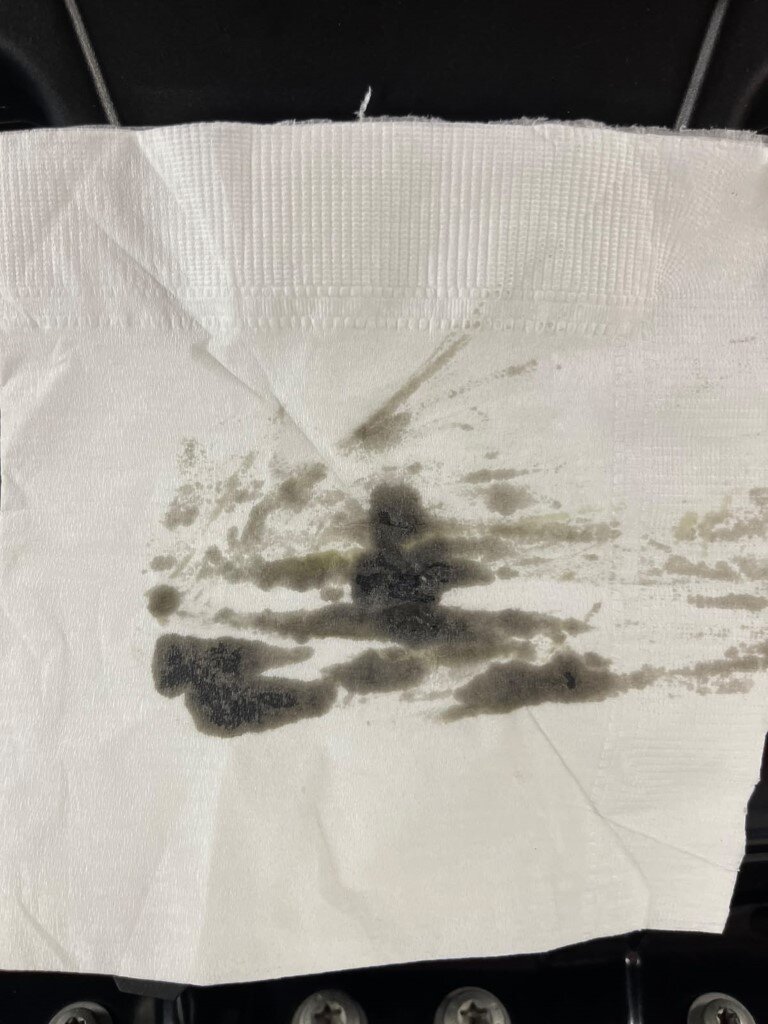
Obviously diesel engine oil darkens fairly quickly because of soot and combustion contaminants, so colour alone doesn’t necessarily mean the oil is finished.
At the same time, that’s also exactly what I want to see from the Motul X-clean during this clean-up phase. A good detergent and dispersant oil is designed to keep soot, deposits and contaminants suspended in the oil so that they can be carried out of the engine when the oil is drained, rather than being left behind to settle and form sludge.
So I’m quite happy to let the Motul do its job, pull whatever contamination it can into suspension, and then get it out of the engine with the oil change.
Considering this engine is still going through my clean-up phase, I figured I might as well do another oil service while I was there.
(RIP to all the diesel guys who want to do 15,000 and 20,000 km service intervals. 😂)
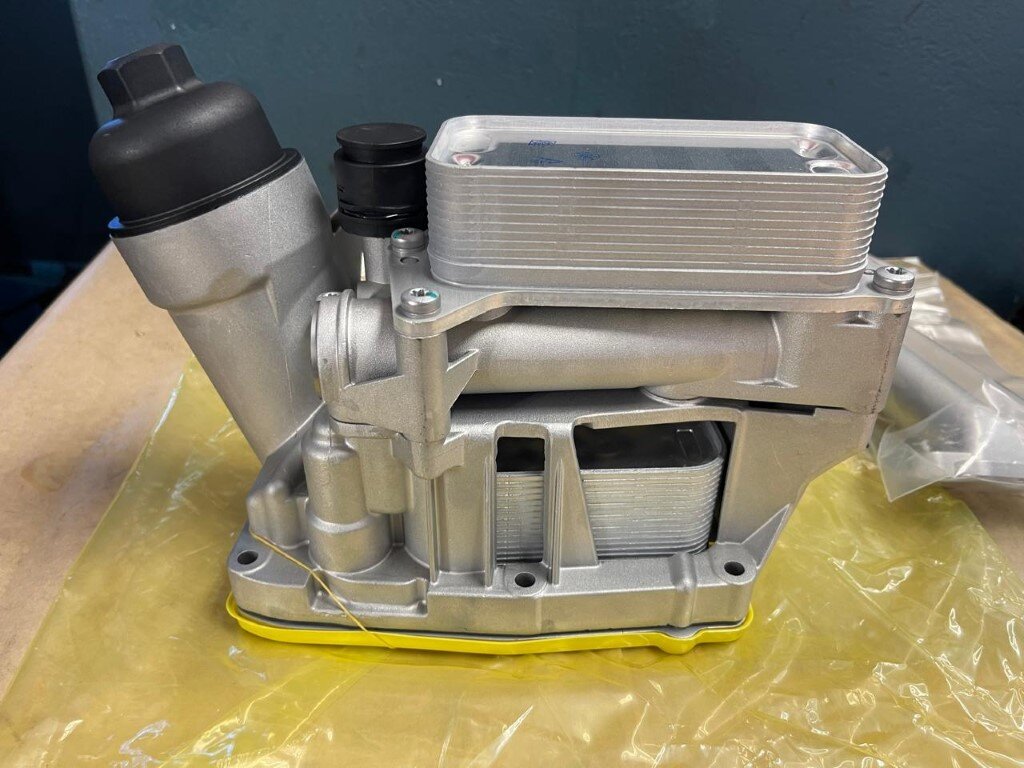
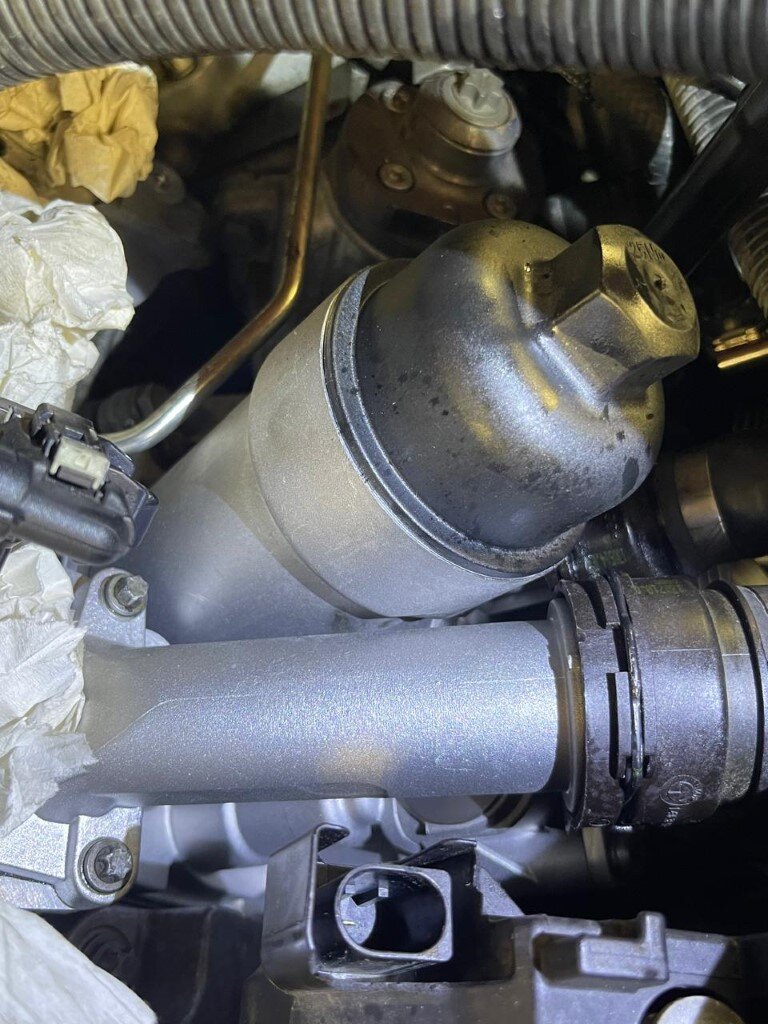
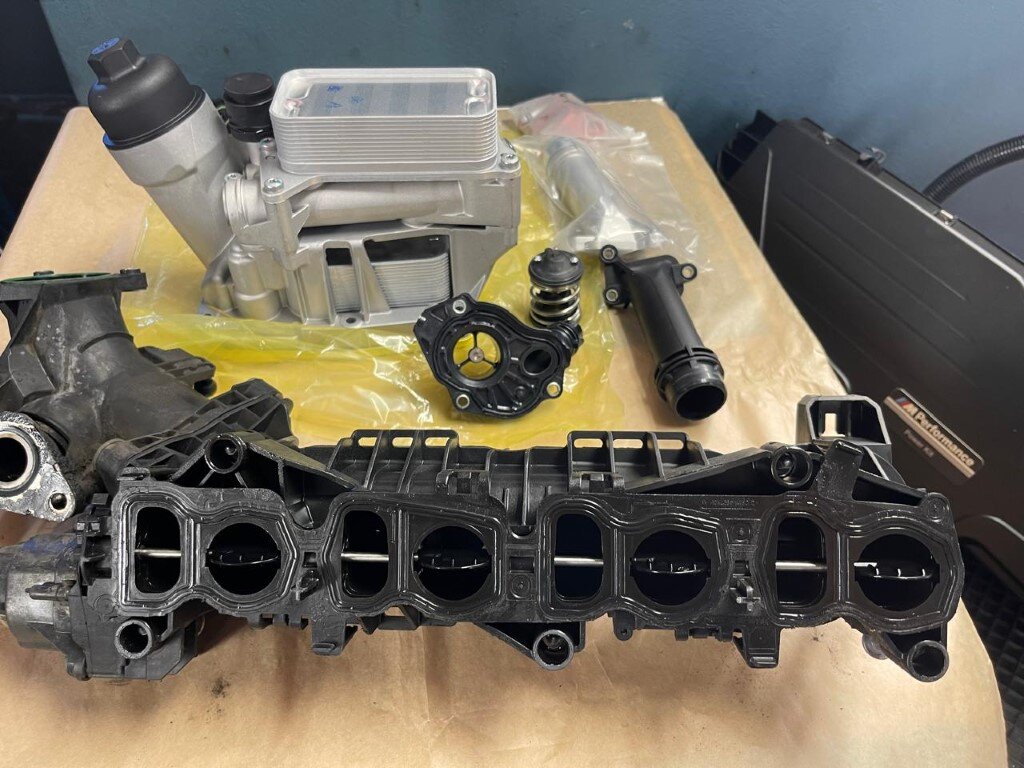
A fresh oil filter + Oil and I got to work.
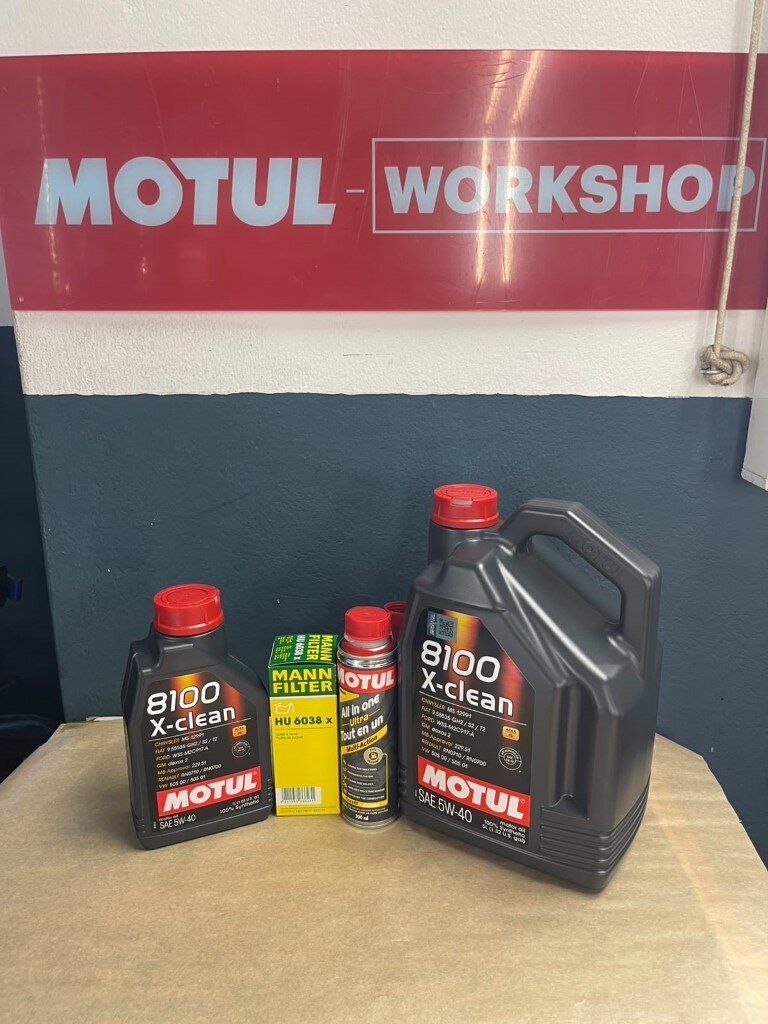
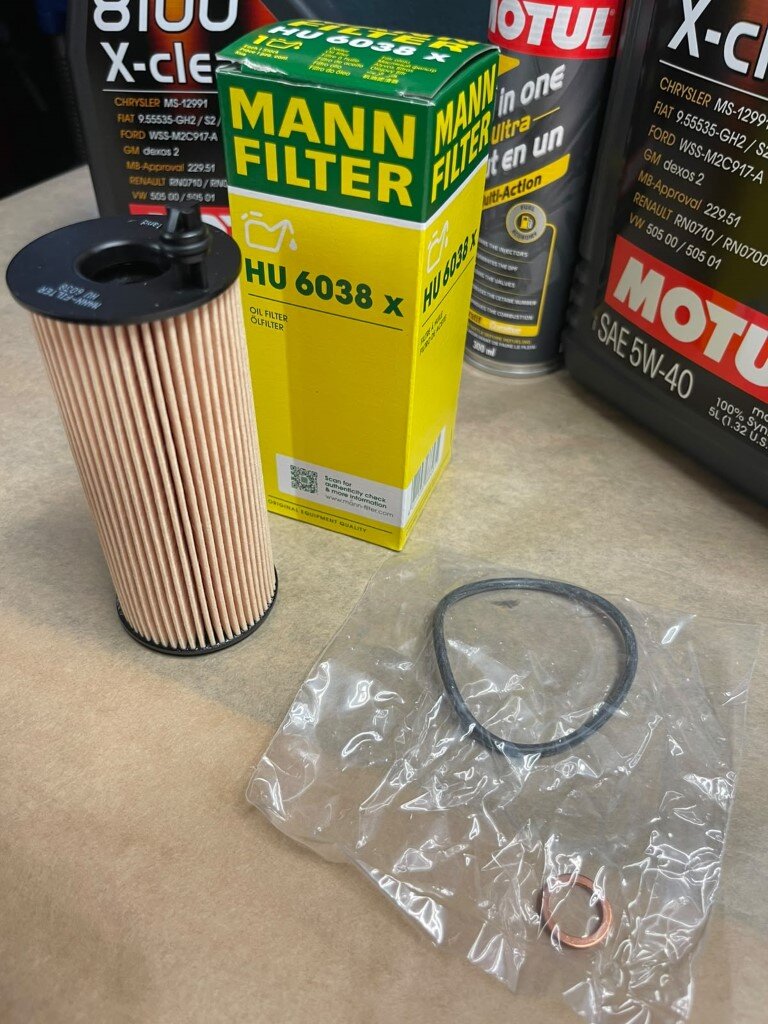
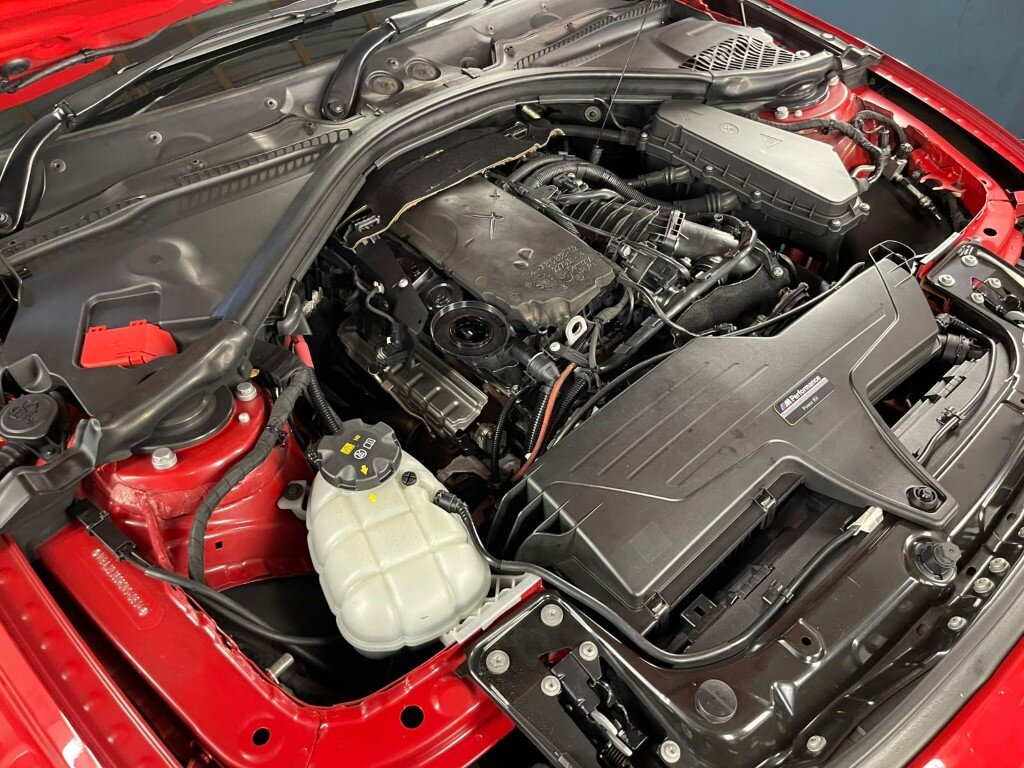
The oil filter was removed, followed by draining the engine oil.
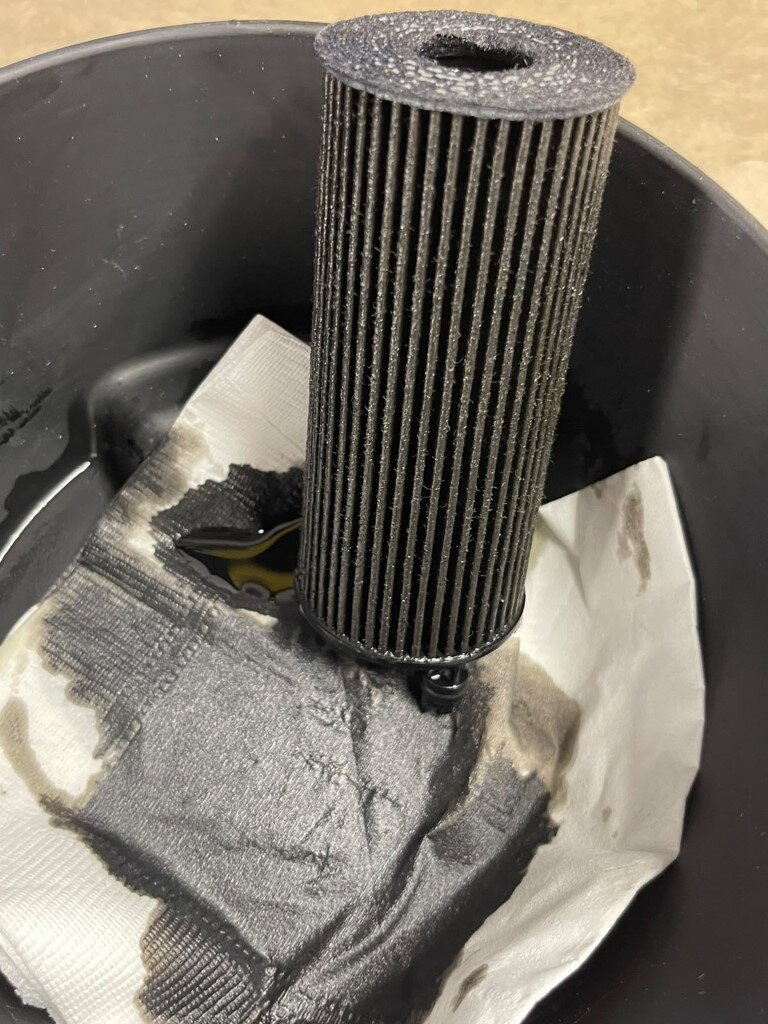
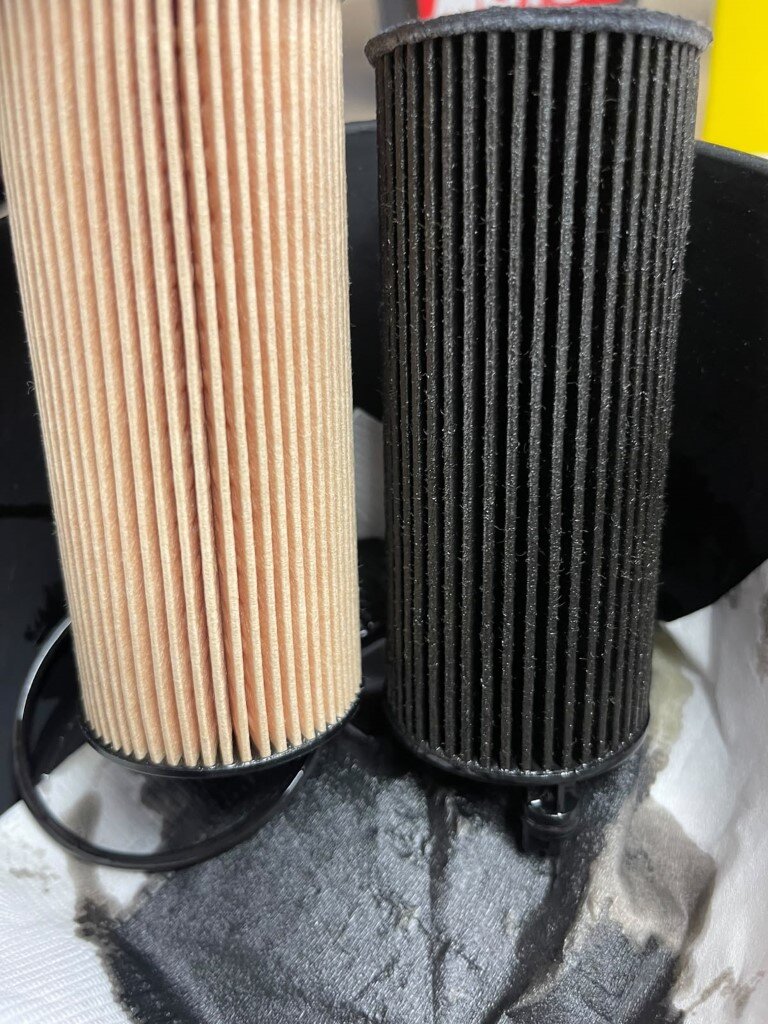
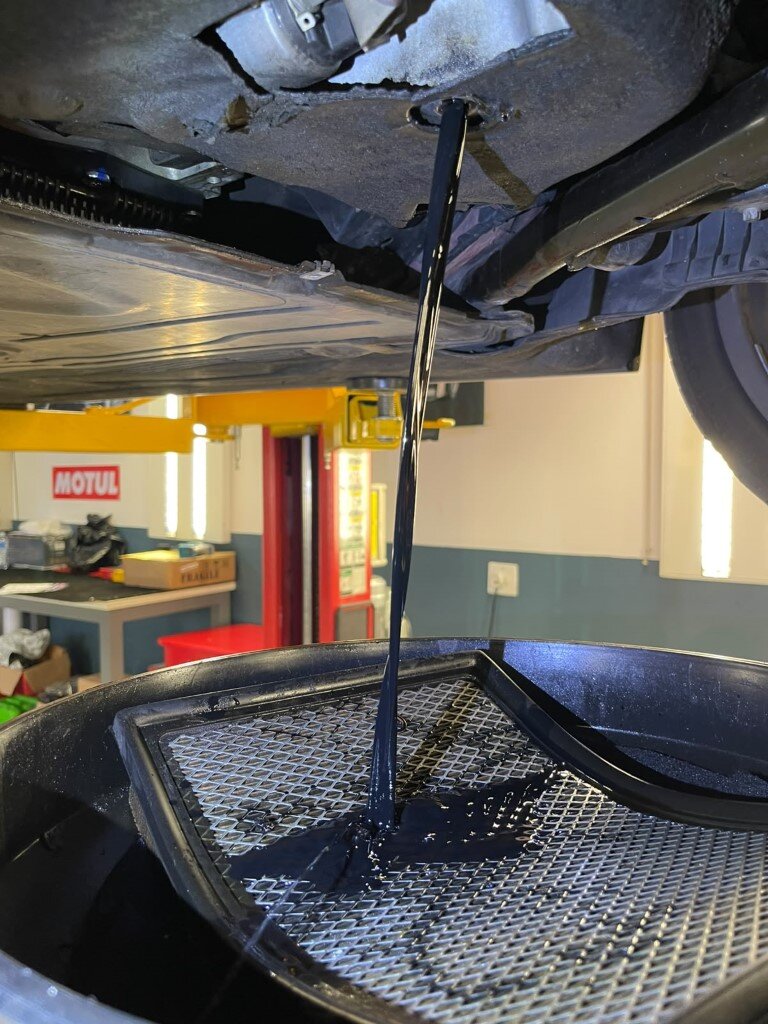
Once most of the oil was out, I left a small container underneath to catch the final drips while I removed and thoroughly cleaned the undertray.
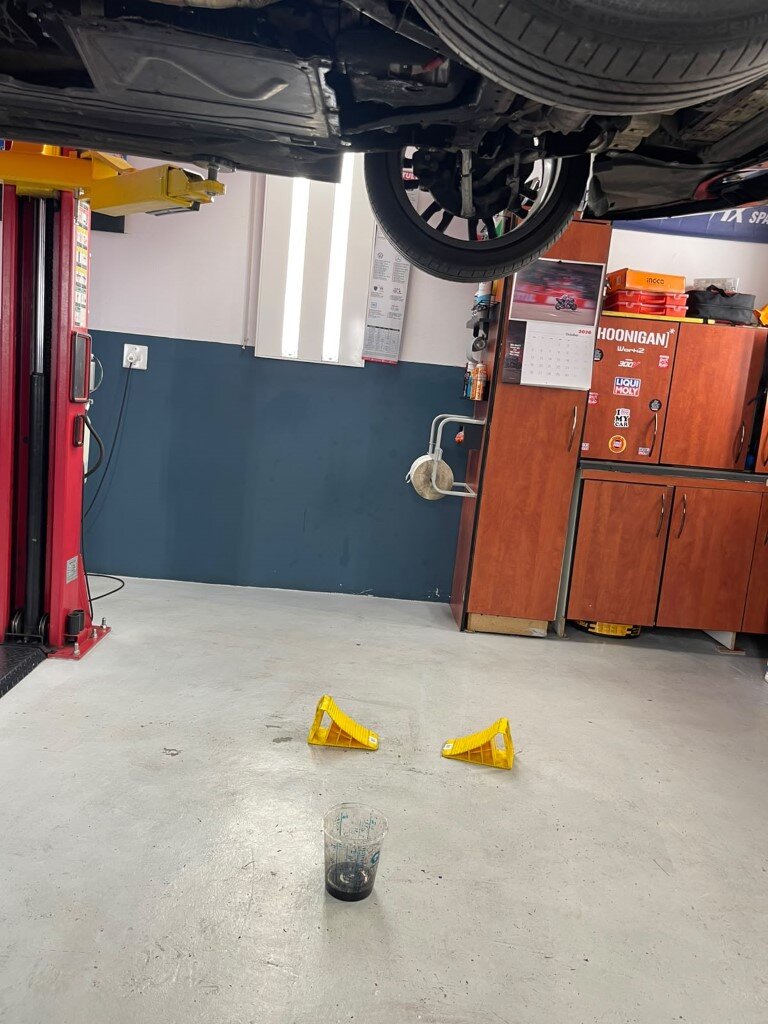
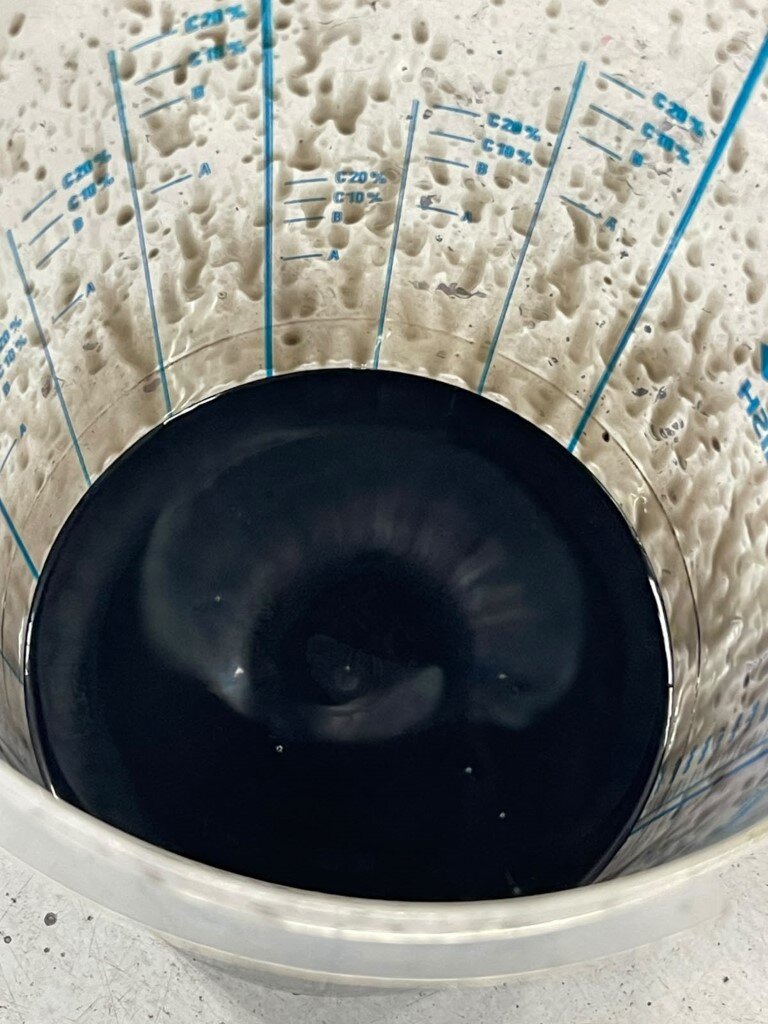
Afterwards, everything was closed up again, the cleaned undertray was refitted and the engine was filled with fresh oil.
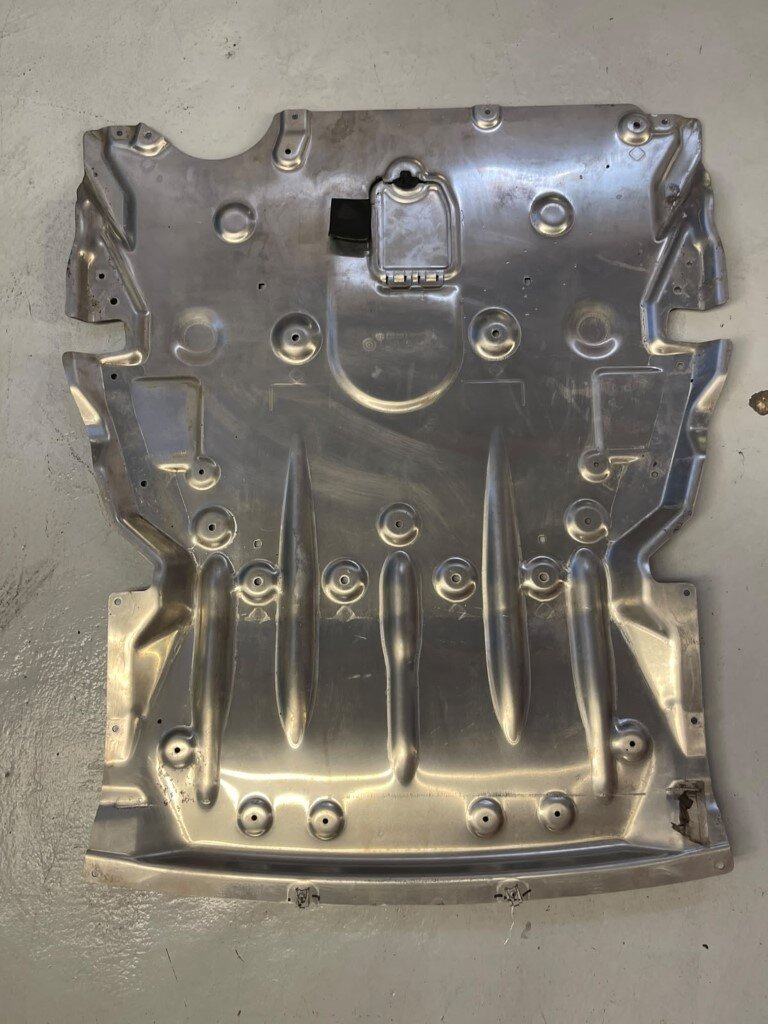
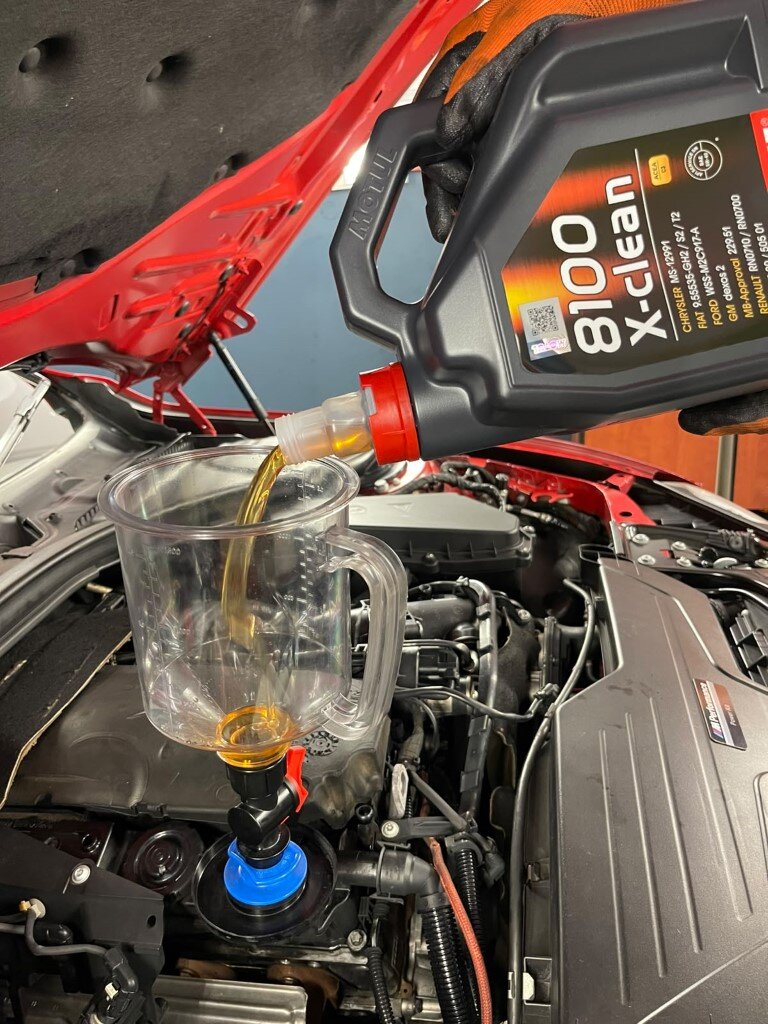
Another engine-oil service done, Engine bay cleaned & Exhaust leak sorted.
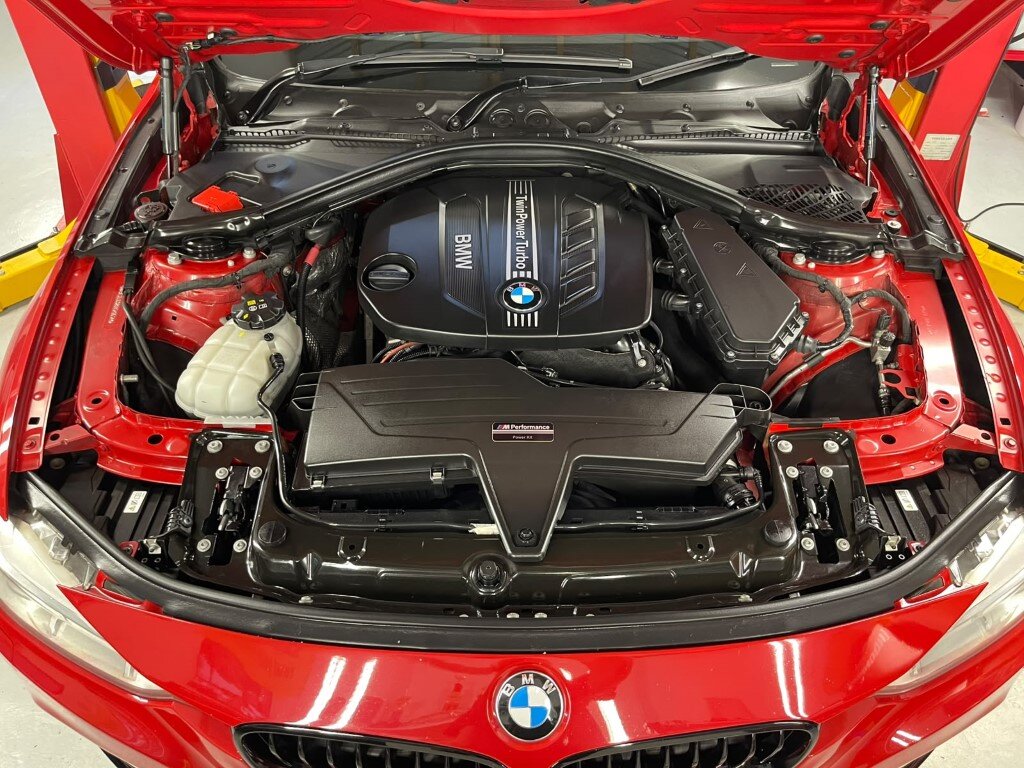
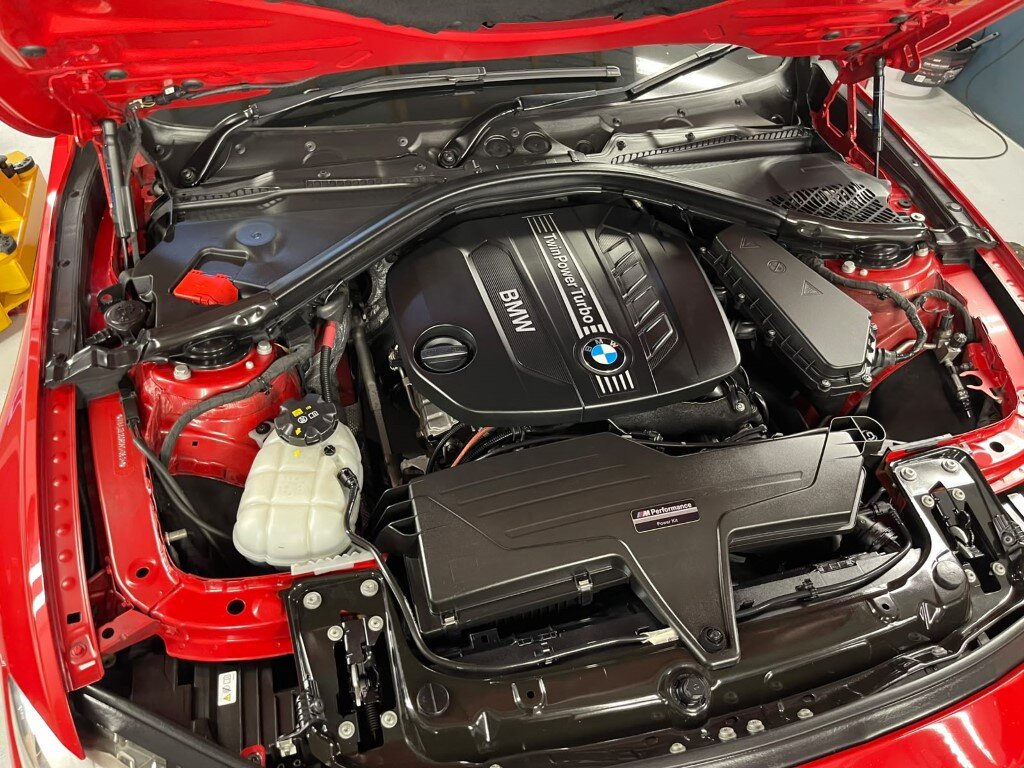
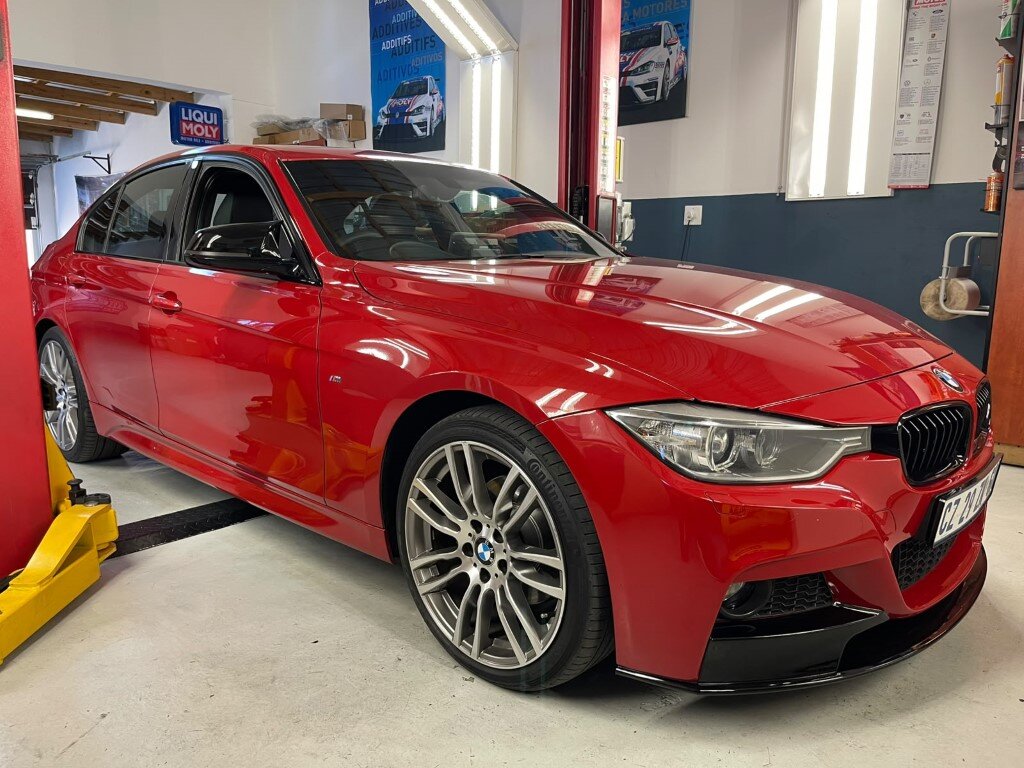
And the car is ready to go again.
Despite the little EGR plate issue, I’m extremely happy with how the car performed on its first proper long-distance trip. The power delivery was excellent, it cruised effortlessly and the fuel economy was even better than I expected.
These 2.0d BMWs are seriously underrated for just how much they offer.