Pr0PheT said:
Rommies said:
thanks for the info.
I always run my tyres about 2.2bar front and 2.0 bar at the back.
Dunno how much psi is that?
thats about 30 and 32 psi ...
I always fill mine to 2.2 bar all round so 32psi ...
Very good thread! Proper tyre pressure is so important and in general this is something that the vast majority of motorists neglect. And while following the car's specs for standard tyre size pressures, it does help to find the ideal pressures for your car based on your typical driving and car's weight. I learnt in my earlier driving days how tyre pressures can affect handling of a car, and since then I have always used my own mini air compressor to check and adjust the pressures, and this is important, you actually need to check the tyre pressures with the tyres sitting at ambient temperature - even driving around in town for a short bit is enough to heat the tyres up, of course standing baking in the sun is also not ideal when wanting to check pressures.
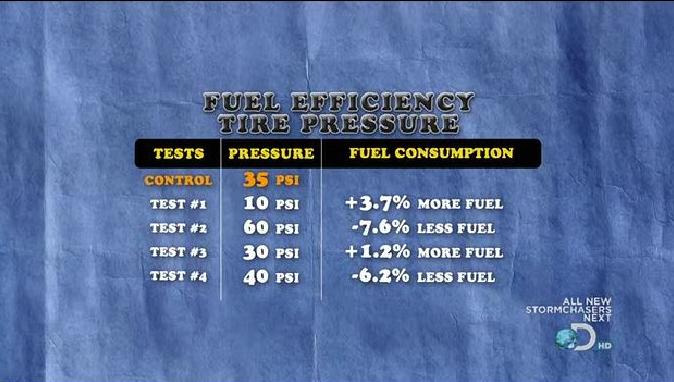
Basically what we are talking about here is rolling resistance, and this is affected by tyre pressures and other things like tyre design and of course tyre size (width). Apparently at the optimum pressures (same for both) comparing the rolling resistance of a RFT and non-RFT the latter is more efficient with less rolling resistance. Now our cars generally have nice wide tyres which is great for handling and so on, but the larger the contact patch the larger the potential rolling resistance would be - this is why all of these super-economy based cars (look at the Polo Blue Motion) have very narrow tyres designed with minimal rolling resistance and of course being thin means less wind resistance too, even the wheel design, mirrors and grill on this car are designed to make the car as slippery through the air as possible.
Saw a Mega Factories program about Michelin the other day, and they showed how they test various tyre designs for rolling resistance, handling and water dispersion - very interesting. For rolling resistance they take two of the same cars with the two different designs that they want to compare and run them on a control level test strip, set the speed control for both cars to say 30 km/h and then at exactly the same time they put the cars in neutral and switch the engines off for good measure, then the car that travels the longer distance before coming to a complete stop is therefore the winner, at least the tyres are. On this program they also showed how tyre pressures affect ABS braking performance.
At the end of the day, tyres care and knowledge is very important - consider that this is your car's footprint and you rely on it for your and others' safety. :thumbs:
Edit: When I had to put my old wheels back on my car so that my current wheels could be refurbished I could definitely see a larger fuel usage - so the Conti rubber in my case seemed to have more rolling resistance than the Potenzas...