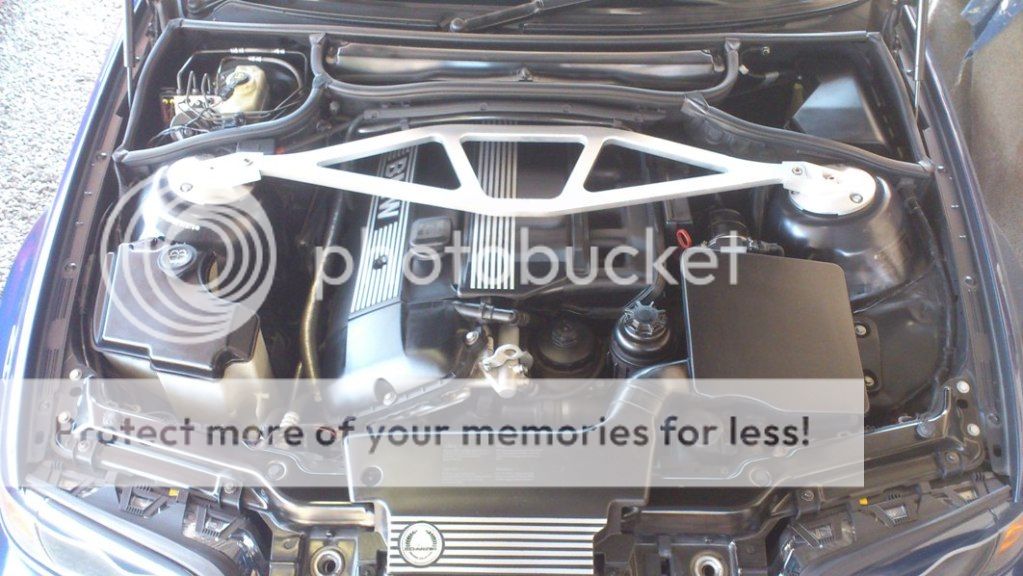
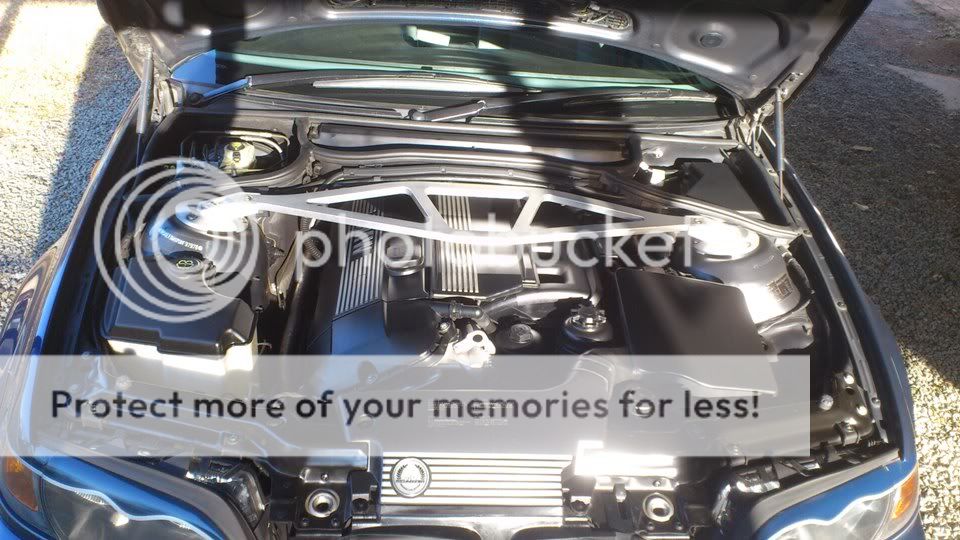
Must actually give mine a clean again soon...
Basically what I do is park the car so that the engine is with the Sun shining on it preferably (easier to see what you are doing and helps with the drying). Then only once the engine is cold, especially things like exhaust manifolds etc, I lightly spray the engine with water to get it wet. Then spray some good all purpose engine cleaner to the more stubborn dirty spots first and then onto the other general areas that usually collect dust and the greasy residue. Use a paintbrush for those more hard to reach places, but in general is good at helping the APC work its magic. For some of the covers and plastics you can of course use a cloth for better results. Depending on how dirty the engine was to begin with, let it stand so that the APC has time to break down all of the greasy muck - a few minutes is often enough, but maybe a bit longer, then again, lightly spray with a gentle flow of water, literally just to wash the APC and dirt away. Once all the APC and has been washed away you can begin with the drying process. Literally try and soak up as much standing water that you can first, then drying the accessible areas will be easier. Water tends to collect on the tops of the strut towers, so soak this all up with a cloth. By now the Sun is coming in handy, hey!
Once dry and been standing in the Sun for a while what I usually do is start the engine and let it idle for a few minutes with the bonnet still open. While this is going on I simply check to make sure everything is indeed still working properly in terms of the electronics - lights etc. Then off for a nice long drive so that any possible standing water has chance to evaporate and/or wind blasted off.
Now a few things though:
If your bonnet has sound deadening lining, do not let it get wet, it WILL shrink! Removing is better and I think simply dusting off with a brush should be fine, for dirt, maybe a damp cloth, have not yet done mine, so not too sure what will work best.
Yes, electronics are not all too happy getting wet, so my advice is that you familiarise yourself with the engine bay and where the various electronic boxes, connectors, alternator etc are. Same goes with the air intake - water getting in there is not going to be good.
The trick is to work as quickly with the water as you can, you really don't want to drown the engine in this process, but water is needed, so limit the water as much as possible in these above areas.
Strong fine spray and steam is mostly what you need to avoid - this is the stuff that gets into all of those places that can cause havoc!!! :thumbs:
Now we need pics of the before and after!! :rollsmile: