Sankekur said:
MikeR said:
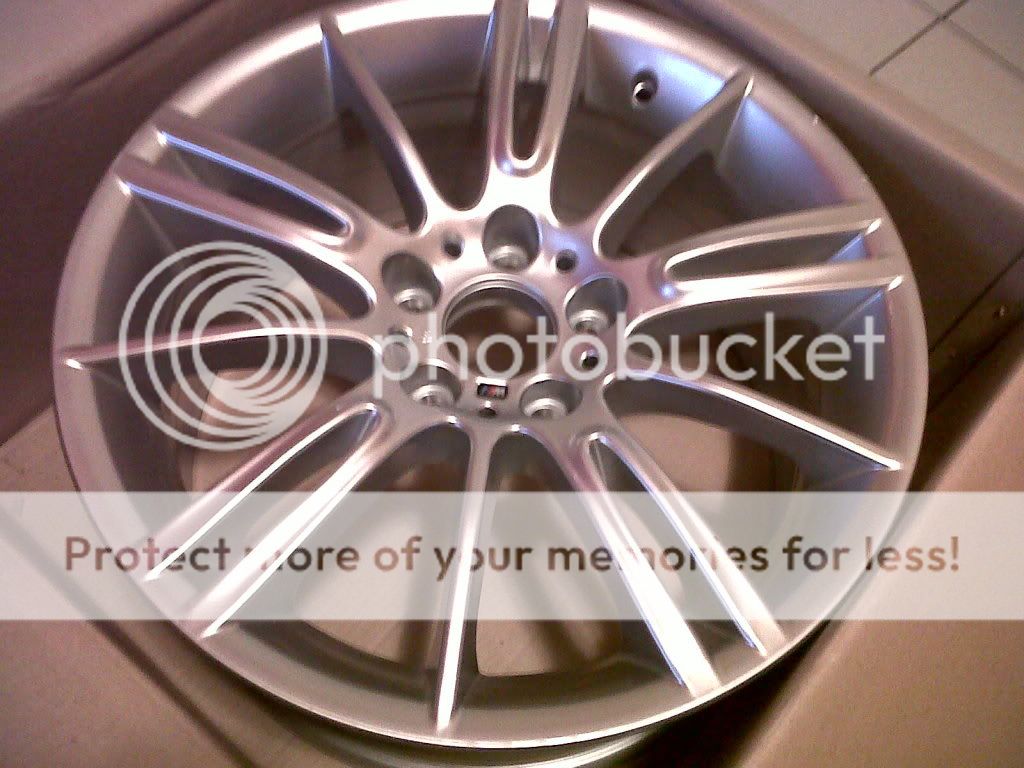
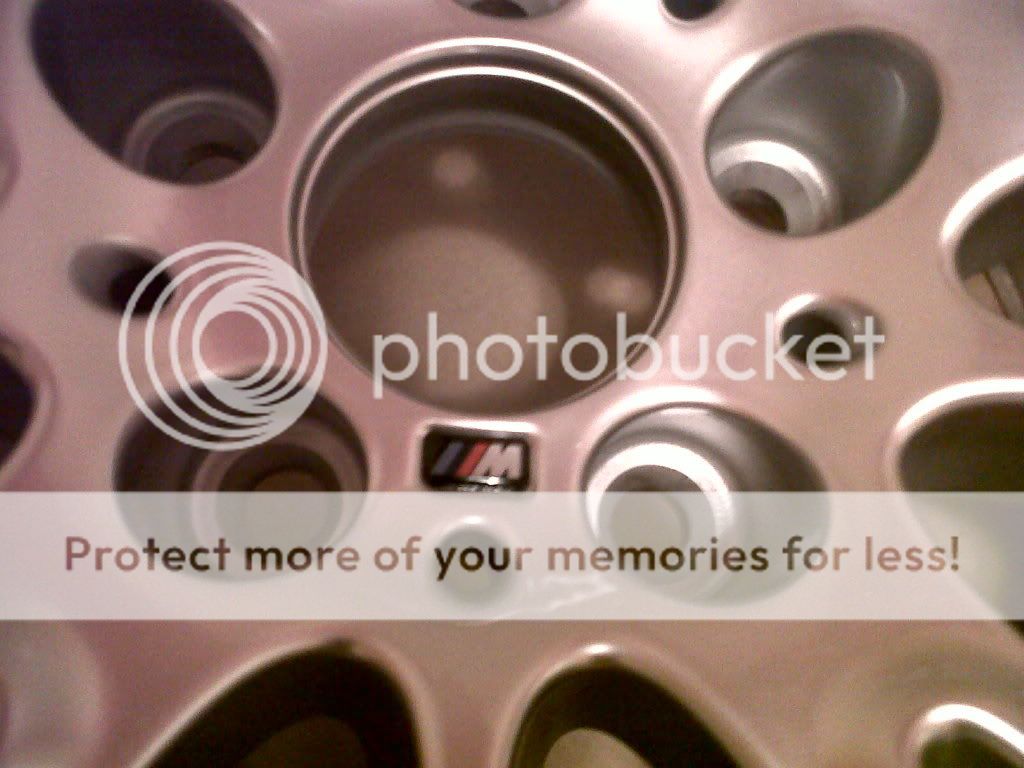
You get Light and you get light, a proper BMW M rim is in the region of 15% lighter - as it is made of some extra harder alloys which is a bit more expensive so not cost efficient to put them on all the BMW range - hence the M badged rims being exclusive.
Again where do you get this from?
The only thing that a BMW wheel with and M badge on it is, is a wheel with and M badge one it, in the same way that a steering wheel/gearknob/doorsil with an M badge on it is in no way better than one without apart from the snob value it adds to ignorant BMW owners.
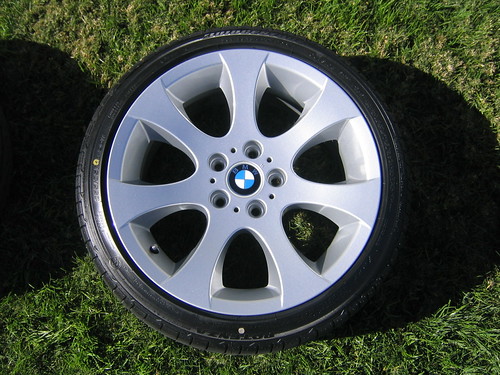
Style 67: standard 18" e46 M3 wheels
Weight:
Front: 11.23kg
Rear: 12.23kg
Style 135: e46 18" Optional individual wheels
Weight:
Front: 11.23kg
Rear: 11.93kg
Style 162: e90 18" wheels (Ellipsoids)
Weight:
Front: 11.23kg
Rear: 11.93kg
Style 174: e65 18" wheels
Weight:
Front: 11.23kg
Rear: 11.23kg
Style 269: 18" BMW performance wheels
Weight:
Front: 11.90kg
Rear: 11.60kg
I have fam and friends in the business - dont have the excat specs and details - but here is some reading for you about alloy rims.
The next time you are at BMW ask about the reason behind - some of the rims costing R20 000.0 a Piece as apposed the the ones costing R5000. and I dont think its because they are prettier.
[What Is a Wheel and What Is a Rim? Are They the Same Thing?
It may seem obvious, but a wheel is comprised of a hub, spokes and rim. Sometimes these components will be one piece, sometimes two or three. The hub is the center portion of the wheel and is what attaches the wheel to the suspension. The spokes radiate out from the hub and attach to the rim. The rim is the outer part of the wheel that holds the tire. While many people refer to wheels as "rims," this is technically incorrect. We'll discuss several ways that wheels are manufactured below.
One-Piece Cast Wheels
This is the most common type of aluminum wheel. The casting of wheels is the process of getting molten aluminum inside a mold to form a wheel. There are different ways this can be accomplished and although it sounds simple, this is truly an art when done properly.
GRAVITY CASTING
Gravity casting is the most basic process of pouring molten aluminum into a mold utilizing the earth's gravity to fill the mold. Gravity casting offers a very reasonable production cost and is a good method for casting designs that are more visually oriented or when reducing weight is not a primary concern. Since the process relies on gravity to fill the mold, the aluminum is not as densely packed in the mold as some other casting processes. Often gravity cast wheels will have a higher weight to achieve the required strength.
LOW PRESSURE CASTING
Low pressure casting uses positive pressure to move the molten aluminum into the mold quicker and achieve a finished product that has improved mechanical properties (more dense) over a gravity cast wheel. Low-pressure casting has a slightly higher production cost over gravity casting. Low pressure is the most common process approved for aluminum wheels sold to the O.E.M. market. Low-pressure cast wheels offer a good value for the aftermarket as well. Some companies offer wheels that are produced under a higher pressure in special casting equipment to create a wheel that is lighter and stronger than a wheel produced in low pressure. Once again in the quest for lighter weight, there is a higher cost associated with the process.
Spun-Rim, Flow-Forming or Rim Rolling Technology
This specialized process begins with a low pressure type of casting and uses a special machine that spins the initial casting, heats the outer portion of the casting and then uses steel rollers pressed against the rim area to pull the rim to its final width and shape. The combination of the heat, pressure and spinning create a rim area with the strength similar to a forged wheel without the high cost of the forging. Some of the special wheels produced for the O.E.M. high performance or limited production vehicles utilize this type of technology resulting in a light and strong wheel at a reasonable cost. BBS has used this technology for several years in their production of racing wheels for Formula One and Indy cars. BBS's RC wheel for the aftermarket is an example of a wheel produced using spun rim technology.
CNC Mill
In forged wheels, computer numerically controlled
(CNC) mills add the cosmetics and the bolt circle to exacting tolerances.
Forged
The ultimate in one-piece wheels. Forging is the process of forcing a solid billet of aluminum between the forging dies under an extreme amount of pressure. This creates a finished product that is very dense, very strong and therefore can be very light. The costs of tooling, development, equipment, etc., make this type of wheel very exclusive and usually demand a high price in the aftermarket.
Multi-Piece Wheels
This type of wheel utilizes two or three components assembled together to produce a finished wheel. Multi-piece wheels can use many different methods of manufacturing. Centers can be cast in various methods or forged. The rim sections for 3-piece wheels are normally spun from disks of aluminum. Generally, spun rim sections offer the ability to custom-tailor wheels for special applications that would not be available otherwise. The rim sections are bolted to the center and normally a sealant is applied in or on the assembly area to seal the wheel. This type of 3-piece construction was originally developed for racing in the early 1970s and has been used on cars ever since. The 3-piece wheels are most popular in the 17" and larger diameters.
There are now many options for 2-piece wheels in the market. The 2-piece wheel design does not offer as wide a range of application that a 3-piece wheel allows, however they are more common in the market and the prices start well below the average 3-piece wheel. Some 2-piece wheels have the center bolted into a cast or cast/spun rim section and other manufacturers press centers into spun rim sections and weld the unit together. When BBS developed a new 2-piece wheel to replace the previous 3-piece street wheel, they used the special rim-rolling technology (originally developed for racing wheels) to give the rim section the weight and strength advantages similar to a forged rim. On the high-end of the 2-piece wheel market you can find wheels using forged rims and forged centers. Since these are only sold in small volume and due to the high development and production costs associated with the forging process, they tend to be on the high end of the price scale.
High Light Technology (HLT)
The High Light Technology (HLT) process used in the manufacturing of O.Z. Racing's Alleggerita HLT and Botticelli HLT wheels, for example, uses rollers to compress and elongate the material along the barrel of a low-pressure cast aluminum wheel to obtain the desired profile. This process, which is directly derived from O.Z.'s experience in F1, produces wheels that are extremely light and strong.
The flow forming process and the HLT technologies combine to create mechanical characteristics similar to those of a forged wheel. This permits a dramatic reduction in wheel weight while enhancing structural rigidity vs. a standard cast wheel.]