
-
Read the WELCOME ALL BMWFANATICS post.
You are using an out of date browser. It may not display this or other websites correctly.
You should upgrade or use an alternative browser.
You should upgrade or use an alternative browser.
BMW E12 V8 Racecar Build
- Thread starter Navigator_E90
- Start date


Navigator_E90
Active member
Bodywork Details & Front Bumper Development
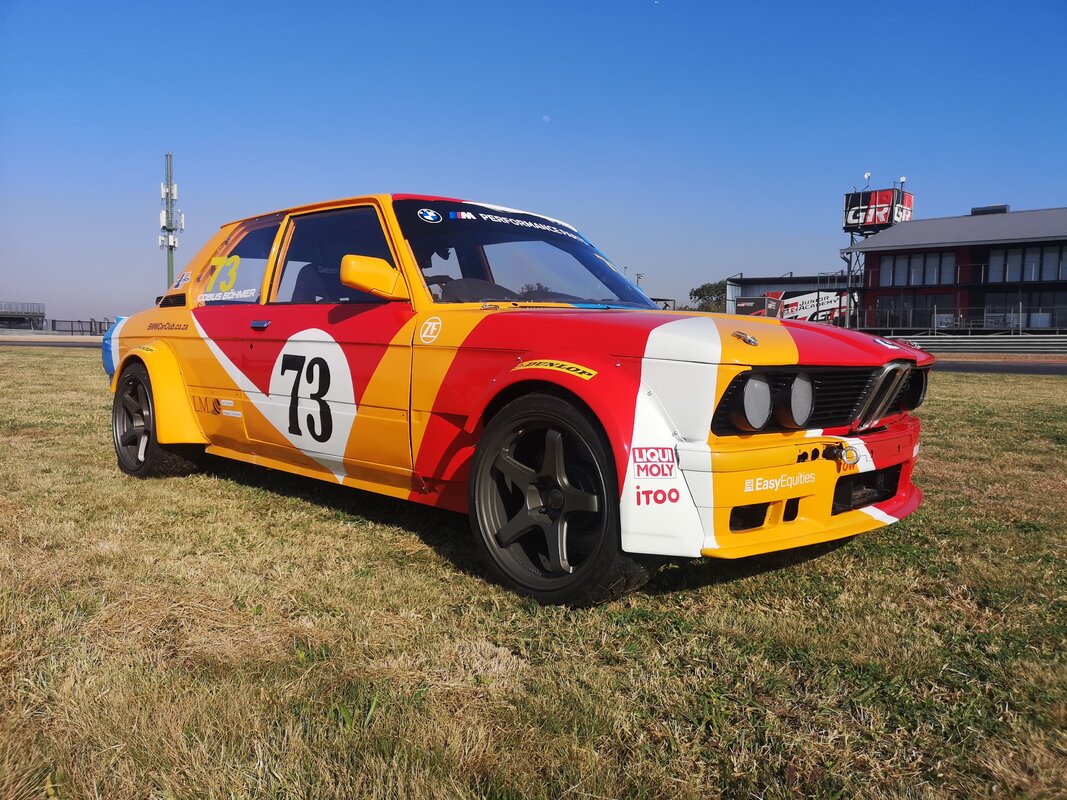
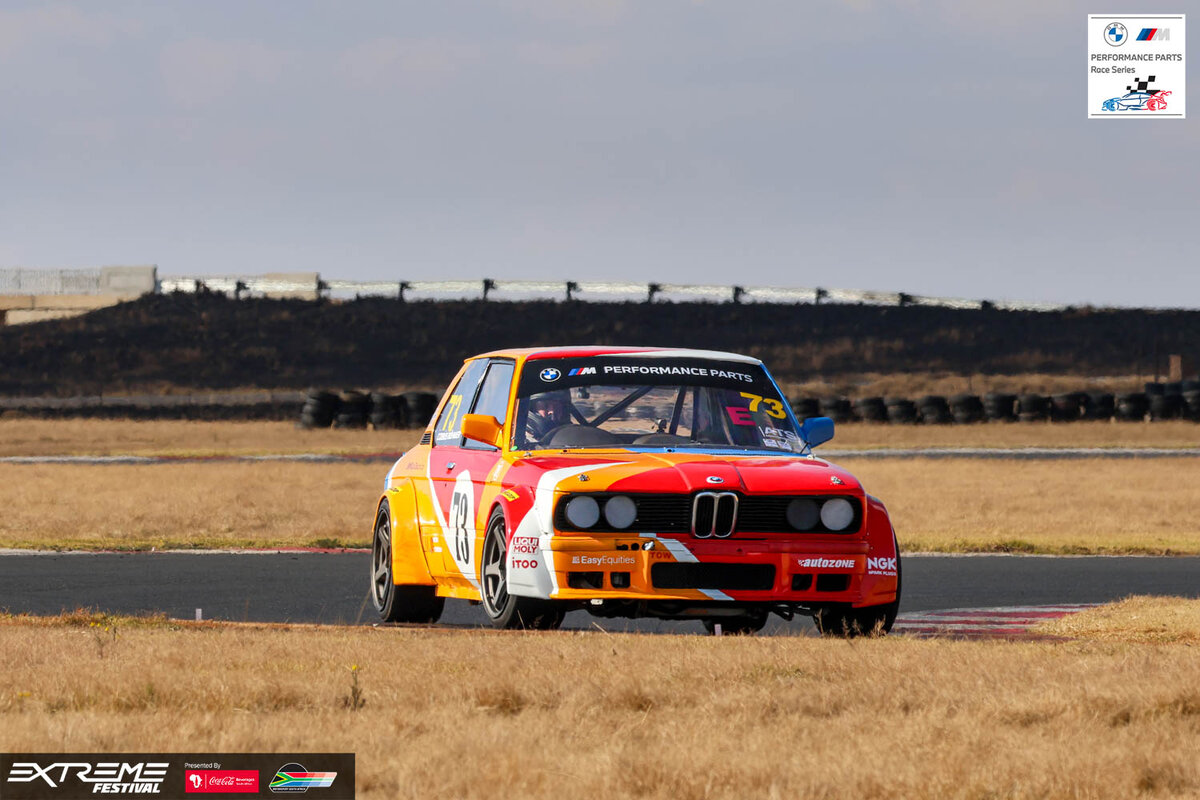
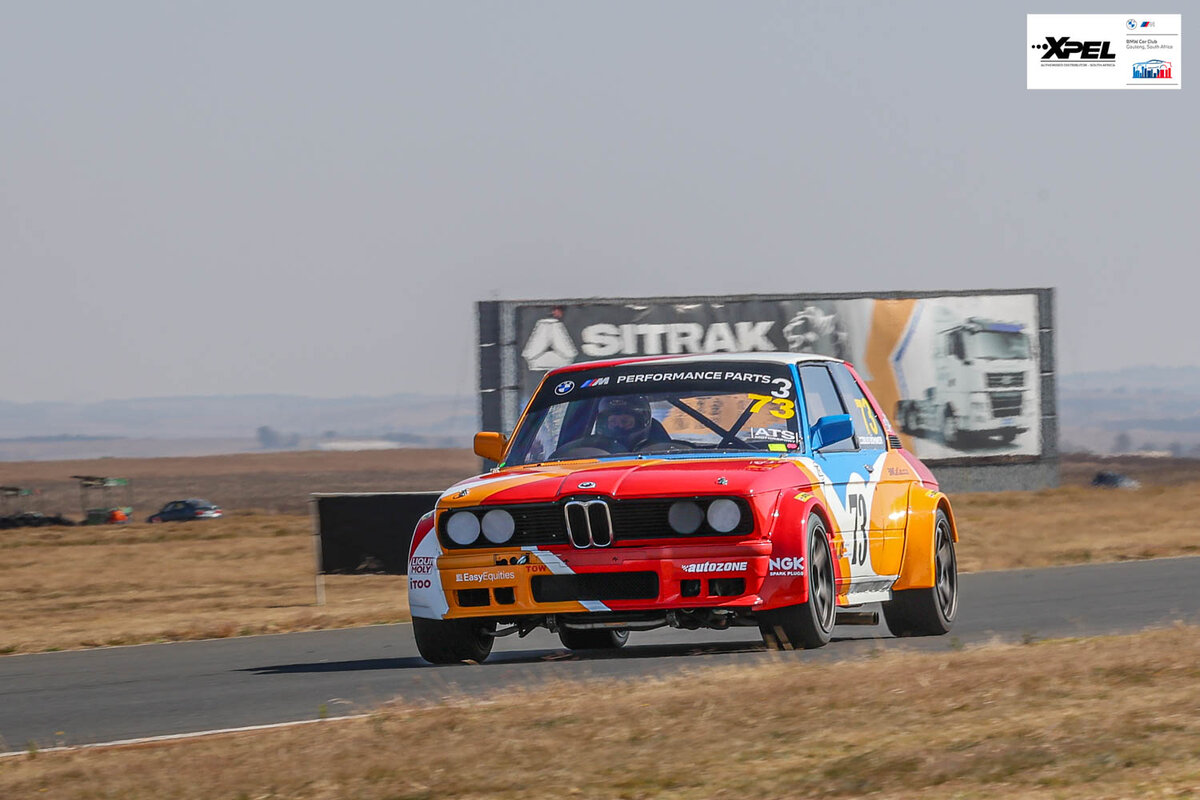
While still working through the bodywork phase, a significant amount of time was spent researching period-inspired modifications that could be adapted without compromising the character of the car.During this process, I came across an image of a retro-built BMW E21 fitted with an E36 front bumper. The combination worked exceptionally well, blending modern aggression with classic proportions, and it immediately stood out as a viable option for this build.
Based on that reference, the decision was made to test-fit and paint the car with an E36 front bumper installed. The result preserves the classic E12 identity while introducing a more purposeful front-end appearance, better airflow potential, and improved compatibility with modern splitter and ducting options.
Photos below show the car in paint with the E36 front bumper fitted.
Attachments
Navigator_E90
Active member
Really good build and you spoilt us with the posts and pictures being shared soo quickly!
How is it on the track compared to the E9
Will share shortly,
Navigator_E90
Active member
Suspension Development Strategy
At this stage, the plan was still to retain E90 suspension front and rear. As with many decisions in this build, that plan changed.
While the E90 suspension offers good geometry and track width, further research highlighted limitations when paired with increased power, torque, braking capacity, and wider tires.
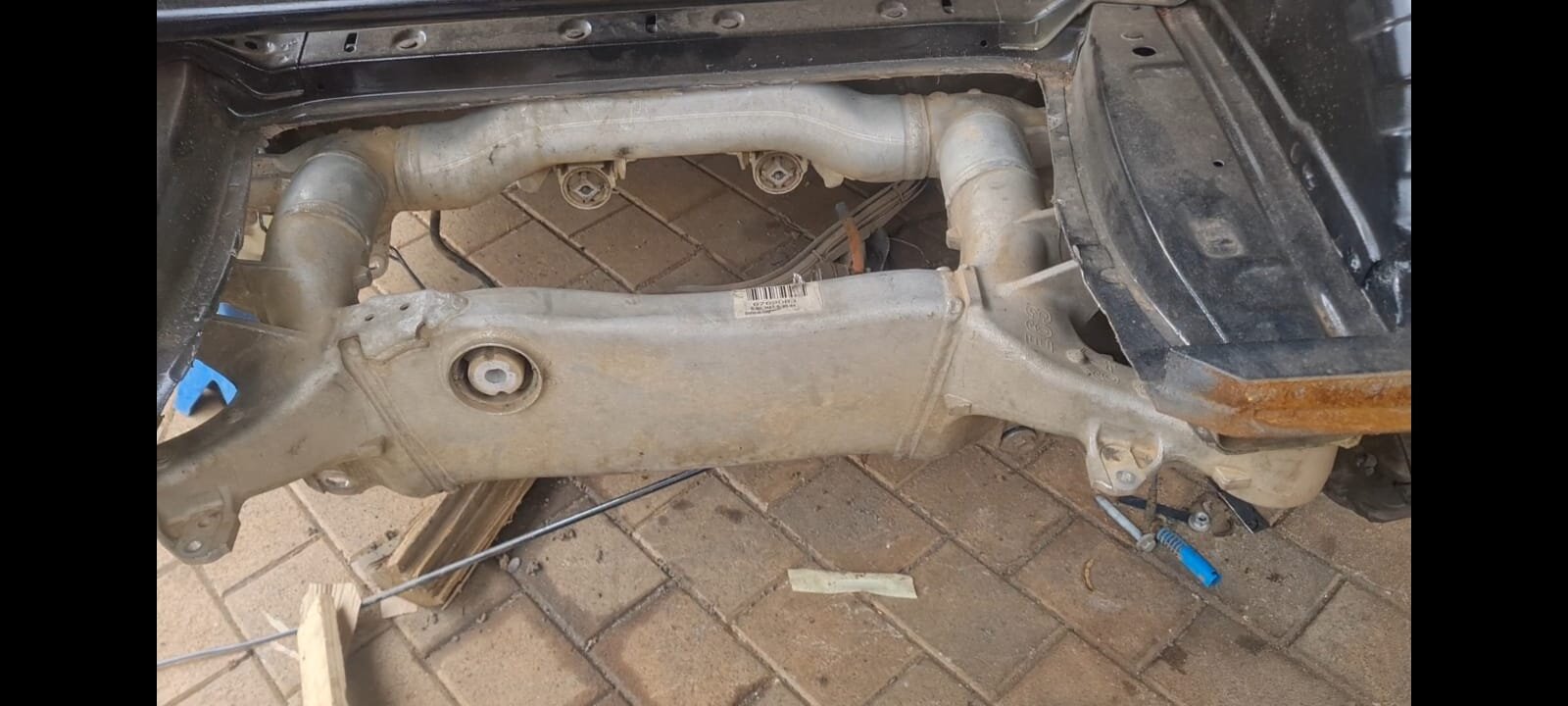
The decision was made to adopt the rear suspension subframe from a BMW E63. The initial motivation was purely mechanical:
The resulting rear track width was substantially wider — both functionally and visually significant.
At that point, symmetry and geometry dictated the next step: the E63 subframe was also adapted to the front, introducing an entirely new set of challenges and requiring further structural and suspension redesign.
At this stage, the plan was still to retain E90 suspension front and rear. As with many decisions in this build, that plan changed.
While the E90 suspension offers good geometry and track width, further research highlighted limitations when paired with increased power, torque, braking capacity, and wider tires.
The decision was made to adopt the rear suspension subframe from a BMW E63. The initial motivation was purely mechanical:
- Aluminum rear subframe
- 210 mm differential (significantly stronger than the E90 unit)
- Larger CV joints and driveshafts
- Increased brake package compatibility
- Designed to handle substantially higher torque loads
The resulting rear track width was substantially wider — both functionally and visually significant.
At that point, symmetry and geometry dictated the next step: the E63 subframe was also adapted to the front, introducing an entirely new set of challenges and requiring further structural and suspension redesign.
Attachments

Navigator_E90
Active member
At the risk of overly commenting, this is all that.. and then some.
Thank you for sharing this with the forum. Anyone can appreciate the work and dedication that has gone in, kudos!
The amount of info around this build will fill a book if I go in detail, almost every part fitted had to be modified. I really try just to touch on the main areas of the build in this post to supply a summary
Initially I tried to document every part of the build to make a YouTube progress channel, but it would have extended the project as its extremely time consuming, take my hat off to the guys that film and make videos of their builds!


Navigator_E90
Active member
If I had to redo this, which I really doubt .... yip that would be much quicker route....Well, that escalated again! I am half expecting you to cut the body off and graft it onto a E63 now
The amount of work involved here is crazy
Navigator_E90
Active member
Powerplant Selection
The original plan was to replicate a full-spec E90 330i drivetrain — effectively a copy-and-paste approach based on a proven package. As with many aspects of this build, that plan evolved.
One of the greatest challenges throughout this project has been the absence of precedent. To my knowledge, no comparable build existed, and reliable reference material or experienced guidance was extremely limited. Each engineering decision introduced new constraints, and each solution created additional challenges. Development was slow, iterative, and often required revisiting earlier work.
As the project progressed and the initial concept became reality, the scope naturally expanded. The goal shifted from simply building a fast car to creating something genuinely unique.
I have always favoured naturally aspirated V8 engines. The torque delivery, throttle response, and sound characteristics are fundamentally different from turbocharged alternatives. In line with both personal preference and club regulations — and staying true to BMW principles — only a BMW V8 was considered viable. "There's no replacement for displacement"
Engine Options Considered
Realistically, two engine families were available:
M60 V8 (E34 540i)
N62 V8 (Modern)
Packaging & Fitment Constraints
The final decision was not driven by peak power, cost, or even reliability alone. The most critical factor was engine packaging — specifically sump configuration relative to the E63 crossmember.
Clearance issues were not related to engine length or width, but rather sump position and front subframe compatibility. The N62’s rear-sump configuration allowed it to sit correctly over the E90 crossmember with fewer compromises.
This ultimately confirmed the decision: the build would use a modern N62 V8.
A reference build was found online showing an E90 fitted with an N62B48 — however, it was paired with an automatic transmission. For this project, that was not acceptable.
I cant see myself driving an auto in a racecar, even 8hp transmission which might be the quicker option but his car will be manual transmission, so I opted for the N62 6 speed manual transmission
The original plan was to replicate a full-spec E90 330i drivetrain — effectively a copy-and-paste approach based on a proven package. As with many aspects of this build, that plan evolved.
One of the greatest challenges throughout this project has been the absence of precedent. To my knowledge, no comparable build existed, and reliable reference material or experienced guidance was extremely limited. Each engineering decision introduced new constraints, and each solution created additional challenges. Development was slow, iterative, and often required revisiting earlier work.
As the project progressed and the initial concept became reality, the scope naturally expanded. The goal shifted from simply building a fast car to creating something genuinely unique.
I have always favoured naturally aspirated V8 engines. The torque delivery, throttle response, and sound characteristics are fundamentally different from turbocharged alternatives. In line with both personal preference and club regulations — and staying true to BMW principles — only a BMW V8 was considered viable. "There's no replacement for displacement"
Realistically, two engine families were available:
M60 V8 (E34 540i)
- M60B40 (4.0L)
- M60B44 (4.4L)
- ~210 kW / ~400 Nm (stock)
N62 V8 (Modern)
- N62B44 (4.4L): ~245 kW / ~450 Nm (stock)
- N62B48 (4.8L): ~270 kW / ~490 Nm (stock)
The final decision was not driven by peak power, cost, or even reliability alone. The most critical factor was engine packaging — specifically sump configuration relative to the E63 crossmember.
Clearance issues were not related to engine length or width, but rather sump position and front subframe compatibility. The N62’s rear-sump configuration allowed it to sit correctly over the E90 crossmember with fewer compromises.
This ultimately confirmed the decision: the build would use a modern N62 V8.
A reference build was found online showing an E90 fitted with an N62B48 — however, it was paired with an automatic transmission. For this project, that was not acceptable.
I cant see myself driving an auto in a racecar, even 8hp transmission which might be the quicker option but his car will be manual transmission, so I opted for the N62 6 speed manual transmission
Navigator_E90
Active member
Engine Position & Mounting
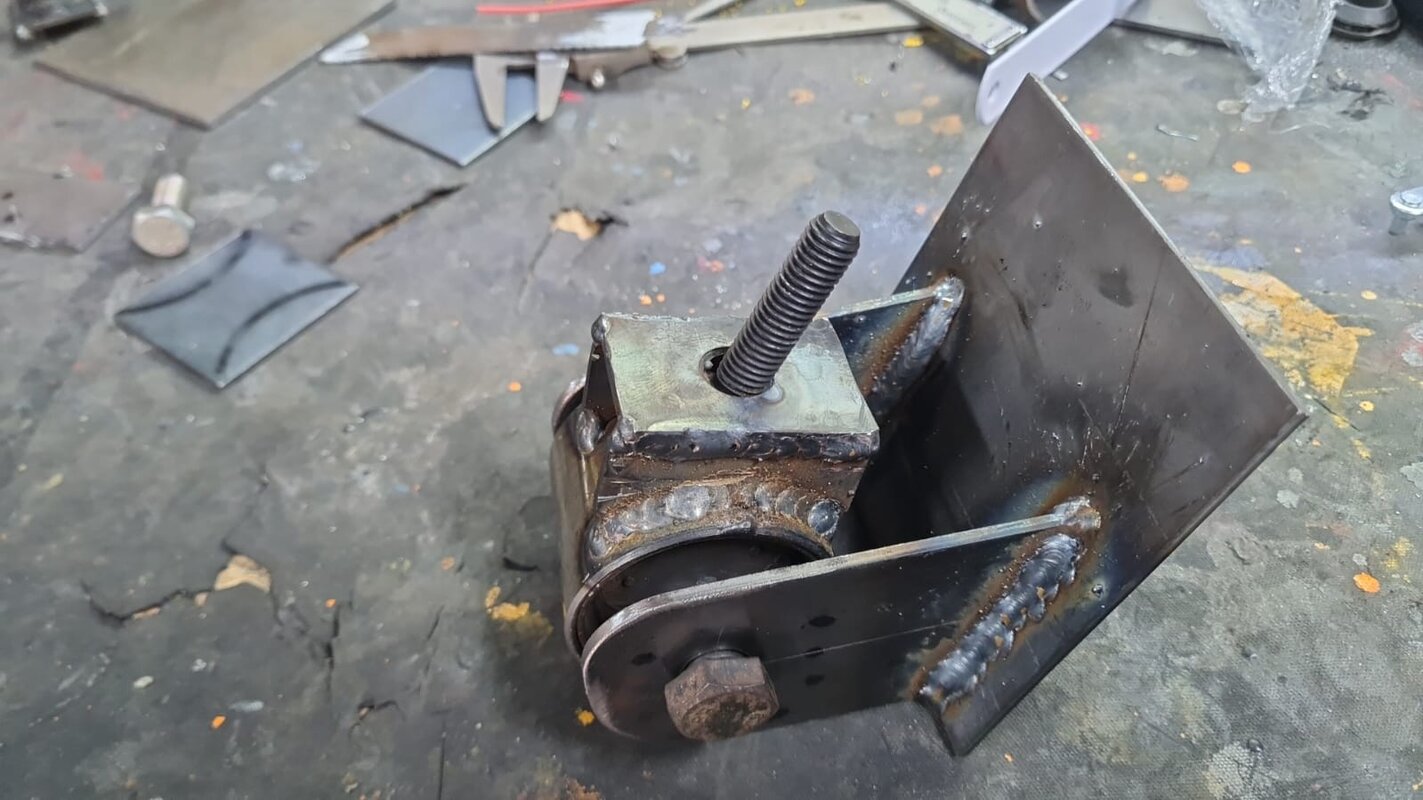
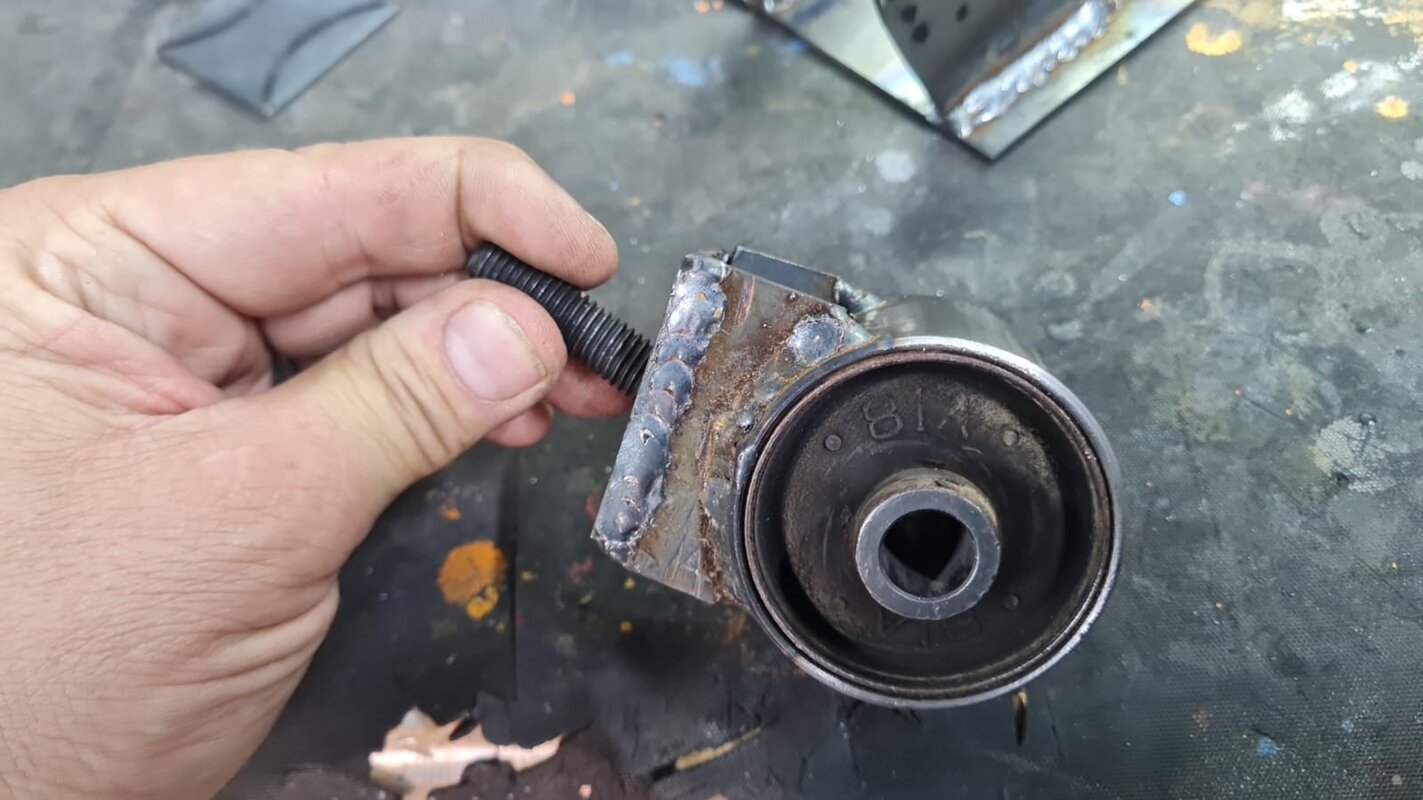
In the E63, the engine is mounted to the front suspension subframe and positioned relatively far forward, which suits the car’s long bonnet but was not ideal for this application.To achieve improved weight distribution and driveline alignment, the engine was relocated rearward as close to the firewall as possible. This made the use of the original E63 engine mounts impractical.
From a serviceability and race-engineering standpoint, mounting the engine to the suspension subframe was also undesirable, as removal of the subframe or steering rack would require additional engine support.
As a result, custom engine mounts were designed and fabricated to mount the engine directly to the chassis rails, allowing precise engine placement, improved load paths, and easier access for future maintenance in order to drop the subframe independently from the engine
Attachments



PsyCLown
Well-known member
Imagine how much longer it would have taken if this were recorded for YouTube.Why is this not on Youtube, is it something you would consider documenting/trying to monetize going forwards?
Although would make for a good watch.
Navigator_E90
Active member
Hi all,
Thanks for all the comments and feedback. I do agree that a YouTube series documenting this build would have been great. In reality, however, the build process didn’t lend itself well to filming. I tend to become fully absorbed in the work, and it’s not uncommon for several days to pass without stopping — only to later realize that I didn’t take a single photo, let alone record video.
Documenting a build properly requires planning, consistent photography, correct angles, good audio, and time for editing. Unfortunately, that was never a priority during the actual fabrication and development stages.
This build was also far from glamorous. There were many points where progress stalled completely, ideas ran out, and resolving a single problem took days or even weeks. Online build videos often make complex solutions appear quick and effortless, but that has not been my experience. In reality, fitment issues, redesigns, and rework are part of the process, and solutions rarely happen in a few hours.
The build is now nearing completion. The next section will focus on the main problems encountered, how they were resolved, and future plans for the car — which may be limited, for reasons that will be explained.
Thanks for all the comments and feedback. I do agree that a YouTube series documenting this build would have been great. In reality, however, the build process didn’t lend itself well to filming. I tend to become fully absorbed in the work, and it’s not uncommon for several days to pass without stopping — only to later realize that I didn’t take a single photo, let alone record video.
Documenting a build properly requires planning, consistent photography, correct angles, good audio, and time for editing. Unfortunately, that was never a priority during the actual fabrication and development stages.
This build was also far from glamorous. There were many points where progress stalled completely, ideas ran out, and resolving a single problem took days or even weeks. Online build videos often make complex solutions appear quick and effortless, but that has not been my experience. In reality, fitment issues, redesigns, and rework are part of the process, and solutions rarely happen in a few hours.
The build is now nearing completion. The next section will focus on the main problems encountered, how they were resolved, and future plans for the car — which may be limited, for reasons that will be explained.
Navigator_E90
Active member
First Race Out – Shakedown Under Pressure
The video below was taken during the first race event the car entered. Unfortunately, there was no opportunity for proper testing prior to the weekend.Preparation for the event involved nearly two weeks of continuous work, often late into the night. In hindsight, the remaining workload was significantly underestimated. The car was still being assembled and build issues resolved at the circuit during scrutineering. While this approach was clearly rushed — and arguably reckless — some of the strongest memories are made under pressure.
The primary objective for the weekend was simple: get the car on track and complete laps, regardless of finishing position.
The car ran, which in itself was a major milestone. From the driver’s seat, the V8 had a NASCAR-like sound and presence, while external pit videos captured a more traditional old-school V8 tone. More detail on the exhaust and sound characteristics will follow in a later post.
Several systems were not fully functional. ABS was inoperative, yet the overall driving experience was exceptional and confirmed the concept was sound.
During the third lap of practice, all drive was suddenly lost. Post-event inspection revealed that the propshaft was too short and disengaged from the splined joint. This was due to an error during shortening by the supplier, which went unnoticed during final assembly — a direct result of fatigue and time pressure.
Despite the early failure, the fundamental build proved viable. Even though the car only partially completed its first event, confidence and excitement remained high following the initial outing.
Navigator_E90
Active member
Navigator_E90
Active member
Damn far more impressive than i could ever have dreamed off.
How long has it taken to get to this point ?
Build Timeline, Budget Constraints & Differential Development
The E12 body was purchased in July 2023, placing the total build timeline at just under 2.5 years. This was never a full-time project. All work was carried out at home, primarily after hours and over weekends.
During the final one to two months before the first race, additional help was brought in to accelerate completion and resolve outstanding issues. The goal was simply to get the car track-ready in time for the new racing season and to address initial reliability gremlins.
This thread has only covered the high-level aspects of the build. Many systems — including the rear differential, drivetrain, electronics, wiring, cooling, steering, and suspension setup — could each warrant detailed discussion on their own.
Rear Differential Strategy & Initial Setup
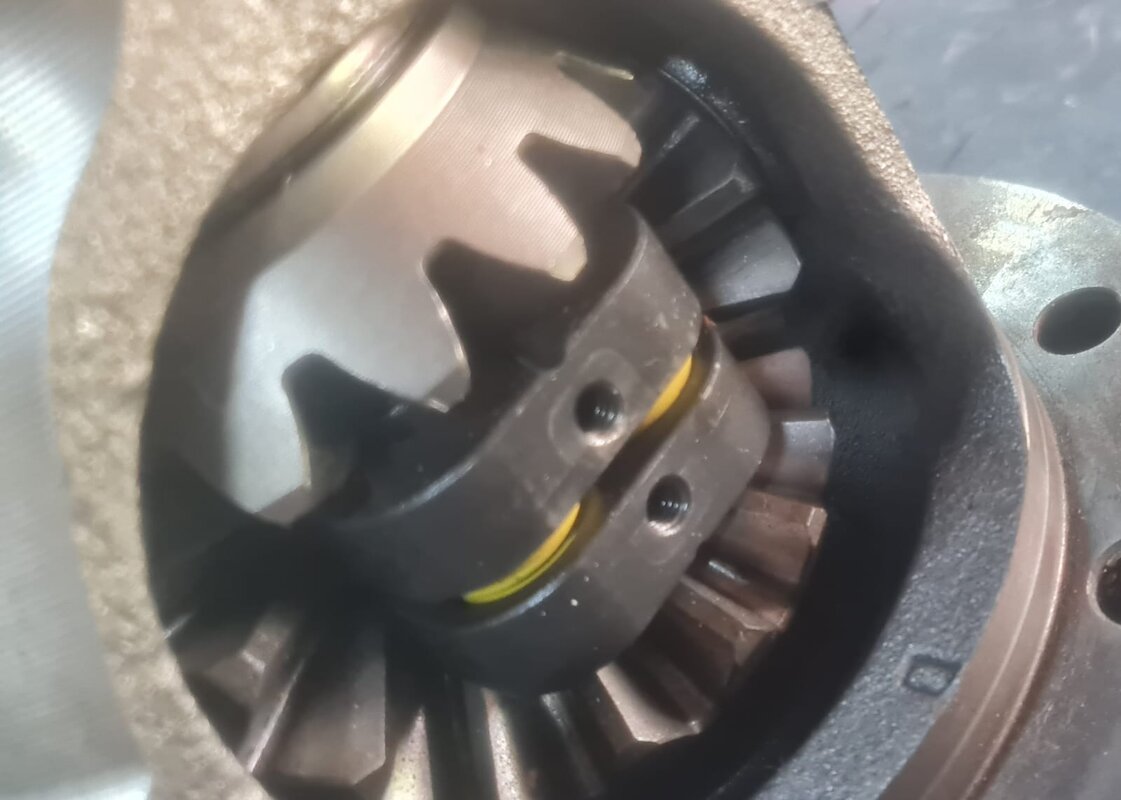
As with most builds, budget constraints played a role in early component selection. For the initial rear differential setup, a “Racing Diff” limited-slip unit was installed. This was a known quantity, having performed well in the previous E90 build.
The decision was also made to retain the E63 final drive ratio of 3.24, based on the significantly higher torque output of the V8 compared to the E90’s N52 engine. The expectation was that the additional torque would comfortably support taller gearing, unlike the 4.44 ratio previously used in the E90.
Track Feedback & Limitations Identified
During the second race event at Red Star, it became clear that the Racing Diff unit was operating beyond its intended torque capacity. While acceptable around 300 Nm in the 330i, it struggled to manage approximately 450 Nm in a track environment.This was most evident in slower corners, where the inside wheel would lose traction almost immediately, compromising corner exit speed and making overall drivability tricky.
Upgrade to Full Limited-Slip Differential
As a result, the budget was revised and a proper motorsport-grade limited-slip differential was installed toward the end of last year. Although additional unrelated gremlins prevented racing with the new unit, limited testing confirmed a significant improvement in traction and power delivery.
The Racing Diff unit remains a cost-effective solution and would still be recommended for lower-power applications or street-driven cars. However, in a high-torque, track-focused application, its limitations became apparent.
Dyno Results & Gearing Reassessment
Subsequent dyno testing revealed that the V8 produces usable power all the way to its 6,500 rpm redline. This highlighted a driving and setup mismatch.Compared to the N52-powered E90, the V8’s torque delivery made the car feel deceptively strong at low rpm, leading to frequent short-shifting. When combined with the long 3.24 final drive, the engine was not operating in its optimal power range during corner exits, thus
Final Drive Update: E92 M3 Differential
To address this, an E92 M3 rear differential with a 3.85 ratio was installed. This significantly shortens the gearing and should allow the engine to remain higher in the rev range, improving corner exit acceleration and overall lap performance.
Although not yet tested, corner-speed analysis and gearing calculations suggest improved drive out of each corner due to higher average rpm. Track testing is planned shortly, and results will be shared once available.
Attachments
Similar threads

- Replies
- 2
- Views
- 1K

- Replies
- 4
- Views
- 1K

- Replies
- 6
- Views
- 681

