BMW E12 V8 Racecar Build

Navigator_E90

Active member
Where do I even begin with this build…


This project lived in my dreams for years, slowly growing until it reached a point where it simply had to become reality. My previous E90 build started life as a stock road-going 330i. While the engine and gearbox remained standard, almost everything else changed: a roll cage, race seat with harness, proper suspension, upgraded brakes, exhaust system, a short-ratio LSD differential, and countless small race tweaks made on the fly to keep the car competitive.


My best lap around Zwartkops was a 1:11.7 — achieved in an E90 with a completely stock engine, ECU, and gearbox, still running steel doors, bonnet, and boot.


But eventually, it was time to build the dream car.


That brings me to the E12. On paper, it makes little sense. The E12 was never a popular choice in racing, especially compared to icons like the E9, E21, E30, or E36, which were far more common then — and still are today.

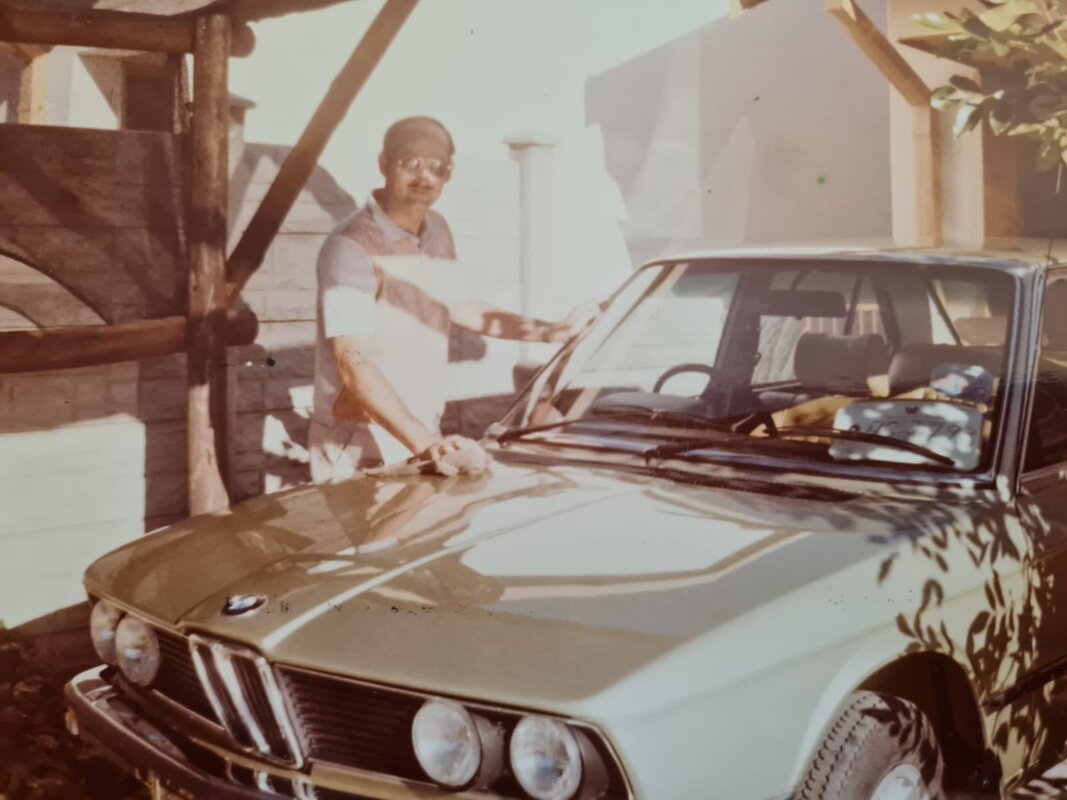
Yet the E12 holds deep personal meaning for me. It was the only car my dad ever bought brand new, back in 1981. We drove that BMW all over South Africa, and when I turned 18, I used to sneak it out of the garage to go have fun with my friends — until I got caught one night. But that’s a story for another day.


After my dad passed away, I always dreamed of owning an E12 again. And after racing the E90, I began to notice something else: there are hardly any old race cars left on track anymore. For good reason too — classic race cars are now worth a fortune, and no amount of money can truly replace a legend once it’s gone. Today, we’re left with only a handful of heavily modified E30s on track, which are incredible machines in their own right.


Don’t get me wrong — modern cars are brutally fast and highly capable race machines. But they lack soul. They’re missing something that time has quietly taken away.


So the E12 project began. I didn’t just want a classic — I wanted more. I dreamed of a classic that could perform like a modern car, not only in a straight line, but around a circuit. A car that could attack every apex, brake later, accelerate harder through corners, and match — or even outperform — modern BMW race cars in our championship.

But bringing a 45-year-old car up to that level is a bit like asking myself, a couple of few years older than the E12 itself to scrum against Malcolm Marx — and we all know how that will end.

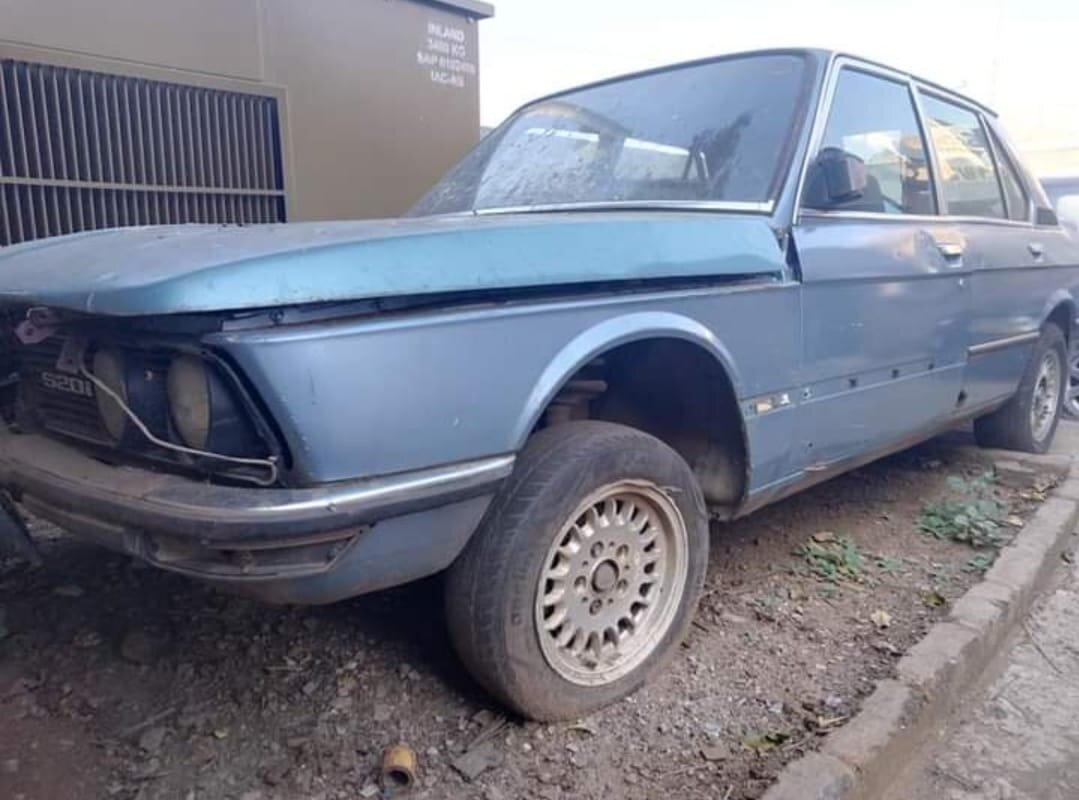
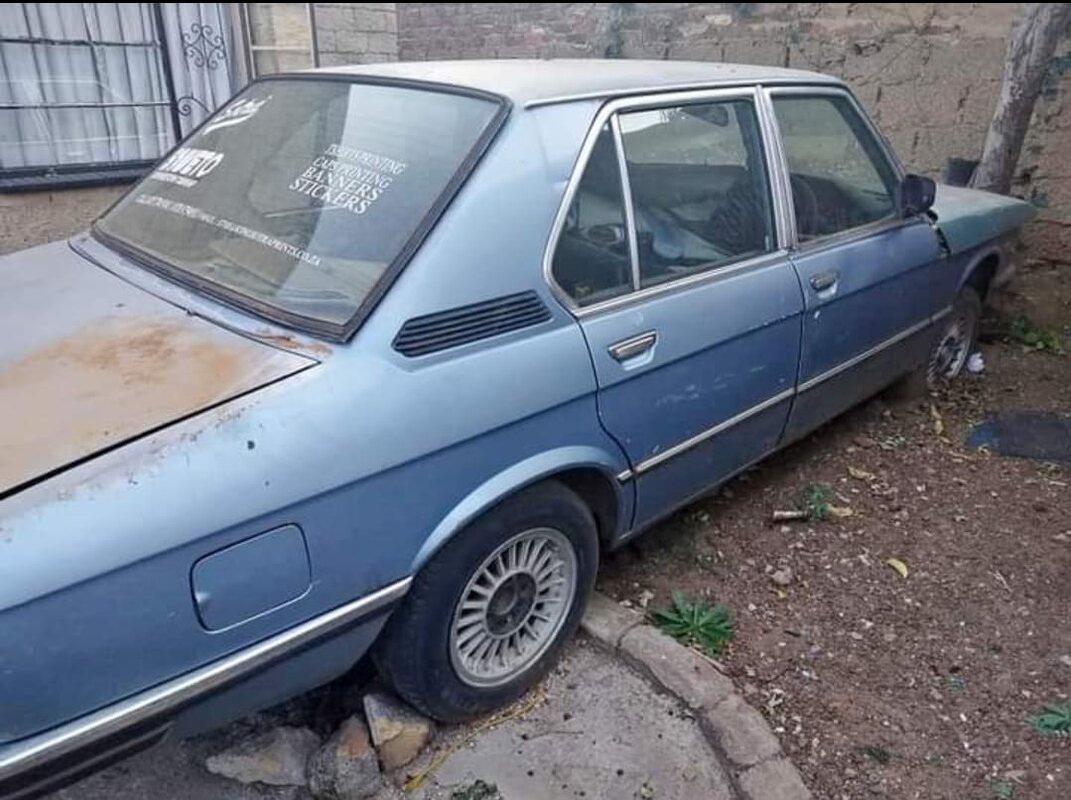
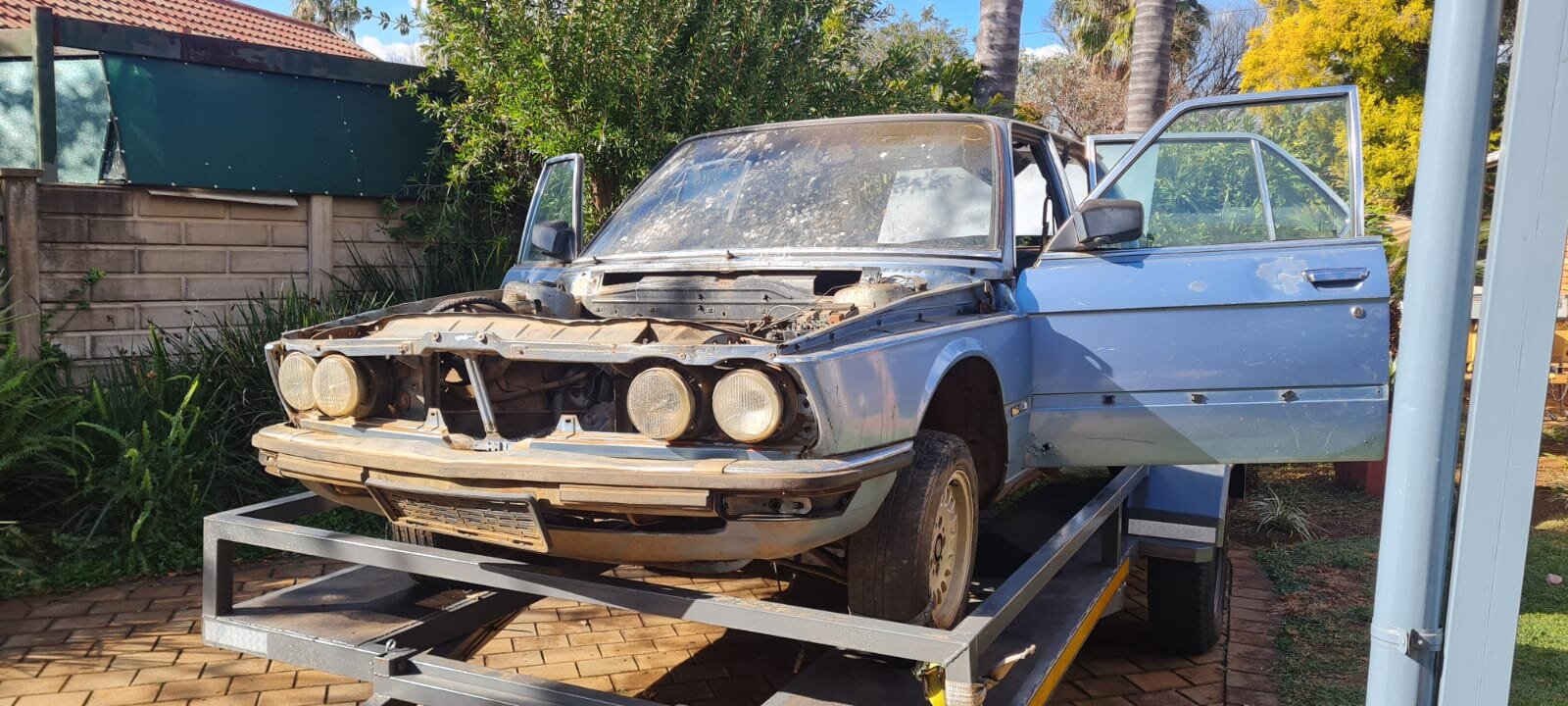
With the concept defined, the project officially began a few years ago with the purchase of a 1980 BMW E12, sourced from a marketplace listing deep in Soweto. The vehicle had been standing unused for several years — conservatively estimated at five years or more — and came with a collection of miscellaneous spare parts.


As expected for a long-term stationary vehicle, the car was in poor initial condition. Evidence of rodent infestation was present, with rats having made the E12 their home, along with the associated damage and contamination typical of extended storage.


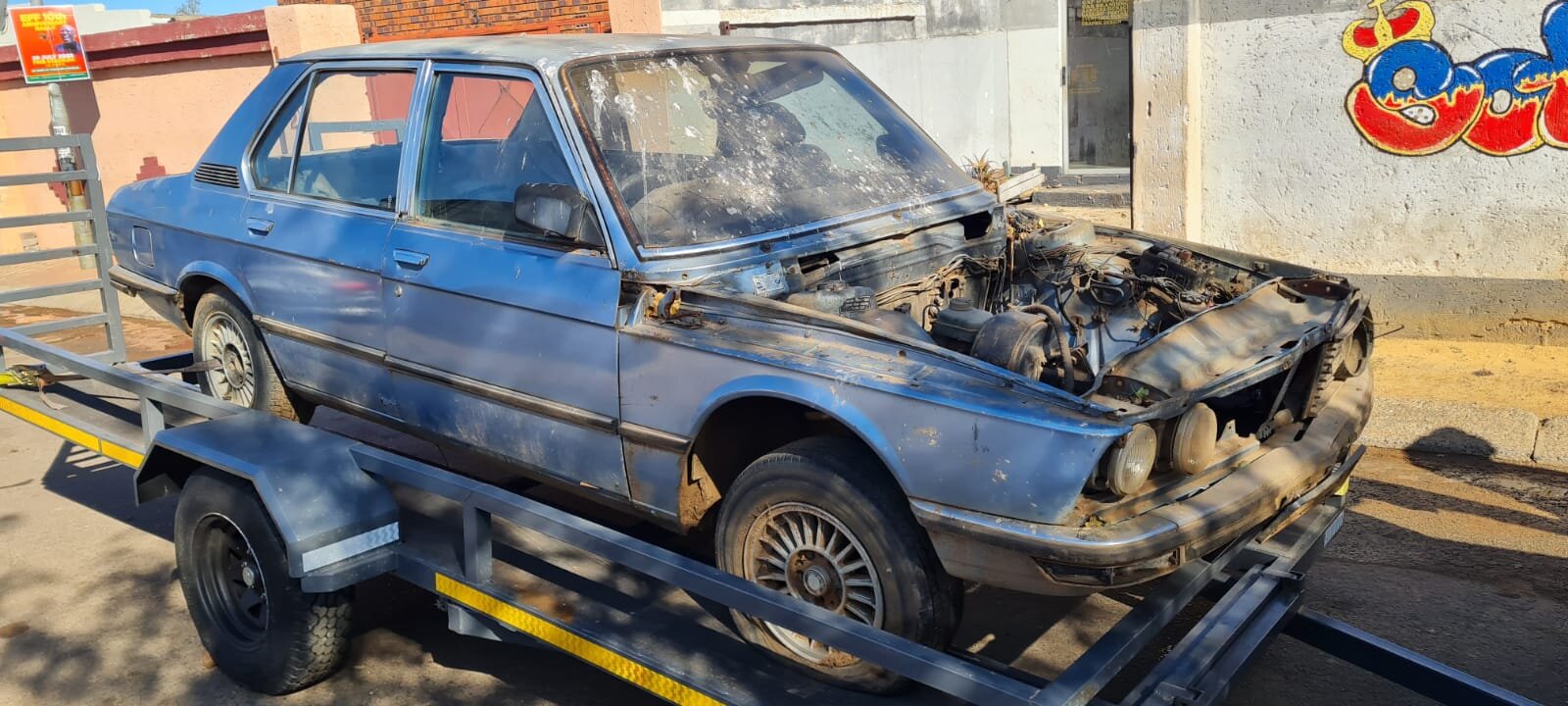
The car was recovered and transported home as a classic “barn find.” While I was enthusiastic about finally starting the project, the reaction from my family was understandably less optimistic. To them, it appeared to be nothing more than a heavily rusted shell with a strong odor and questionable prospects.


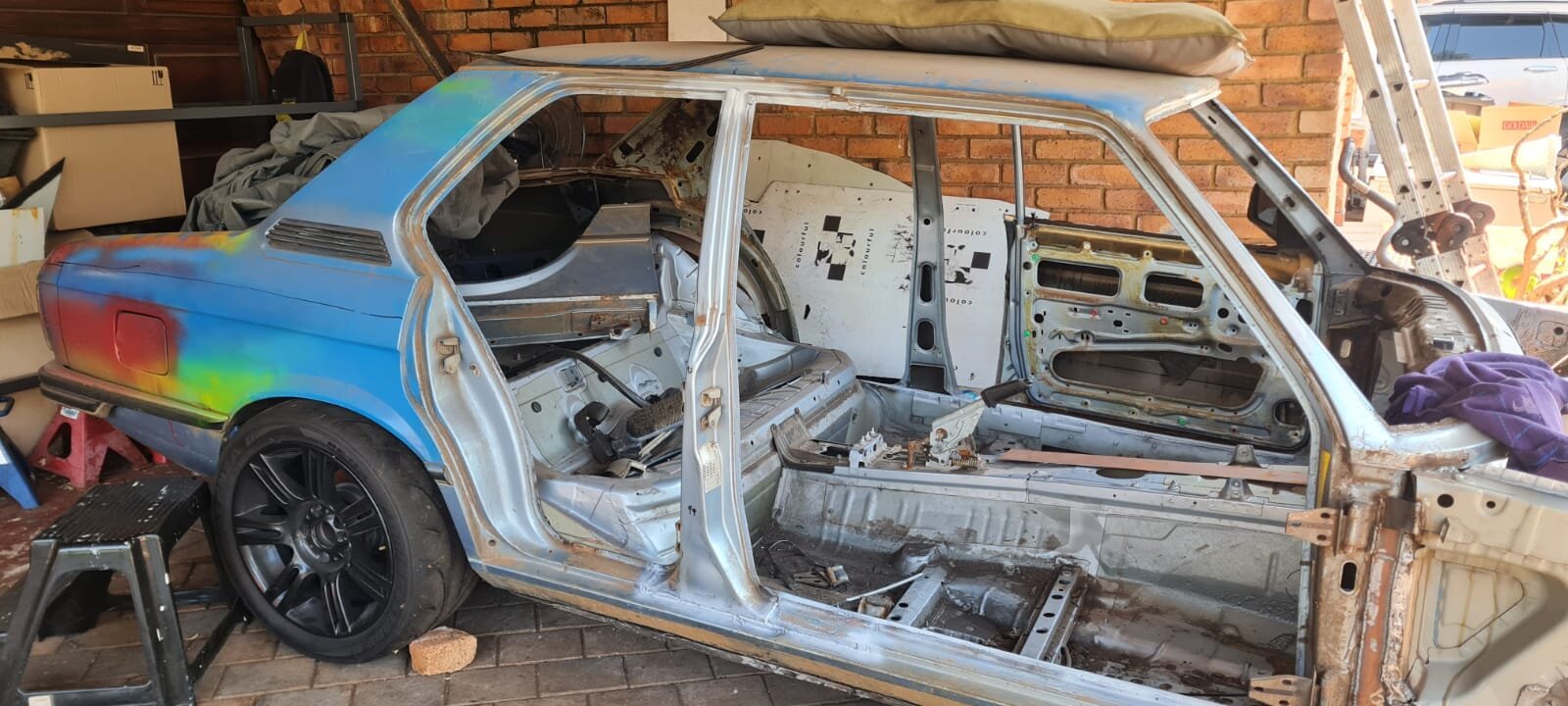
From a build perspective, however, this was simply the baseline: a complete body suitable for a full strip-down, inspection, and redevelopment into a dedicated race car..... or so I even thought
Few pics below, first of my dad! Proudly giving his E12 its own wash

Update to follow soon
 

Attachments

  • WhatsApp Image 2026-01-13 at 15.08.25.jpeg
    WhatsApp Image 2026-01-13 at 15.08.25.jpeg
    126.3 KB · Views: 56
  • WhatsApp Image 2026-01-13 at 15.04.31.jpeg
    WhatsApp Image 2026-01-13 at 15.04.31.jpeg
    84.3 KB · Views: 56
  • WhatsApp Image 2026-01-13 at 15.04.30.jpeg
    WhatsApp Image 2026-01-13 at 15.04.30.jpeg
    104.6 KB · Views: 47
  • WhatsApp Image 2026-01-13 at 15.04.33.jpeg
    WhatsApp Image 2026-01-13 at 15.04.33.jpeg
    201.7 KB · Views: 46
  • WhatsApp Image 2026-01-13 at 15.04.32.jpeg
    WhatsApp Image 2026-01-13 at 15.04.32.jpeg
    214.8 KB · Views: 57
rodga

Well-known member
awesome man looking forward to the progress

I have some leftover e12 interior parts if you are interested
seats from e12/8 and some bits from e12
you are welcome to have them
 

Mytfine

Well-known member
Looking forward to seeing the end project. My dad also had an E12 528i back in 1988, i hated it at the time though because my father primered it in pink and drove it around for 6 months like that.
 

Navigator_E90

Active member

Build Progress & Initial Assessment​


Hi all

Thanks for the messages. The car is now approximately 95% complete. Until recently, I never intended to document the build, but after some reflection I realized there may be others who would find this project interesting — especially those who enjoy unconventional engineering solutions. I’ll continue to post updates as time allows.

Picking up from the previous post: once the E12 arrived home, the strip-down began immediately. The shell was in significantly worse condition than initially expected. Rust was present throughout the structure — including the floor pan, chassis rails, and structural areas — to the point where conventional repair was no longer financially or technically viable.

At that stage, a new direction had to be considered. The priorities were clear:
  • Structural integrity - which will be supported with a roll cage
  • Cost effectiveness (relative to scope)
  • Most importantly: performance

Chassis Strategy: E12 Shell on E90 Platform​


The revised plan was radical but logical: perform a full body/chassis swap, using an E90 rolling chassis and retaining only the outer shell of the E12.

The concept was to completely remove the E90 body, leaving its floor, suspension pickup points, drivetrain layout, electronics, and safety systems intact. The E12 body would then be sectioned and adapted to fit over the E90 chassis architecture.

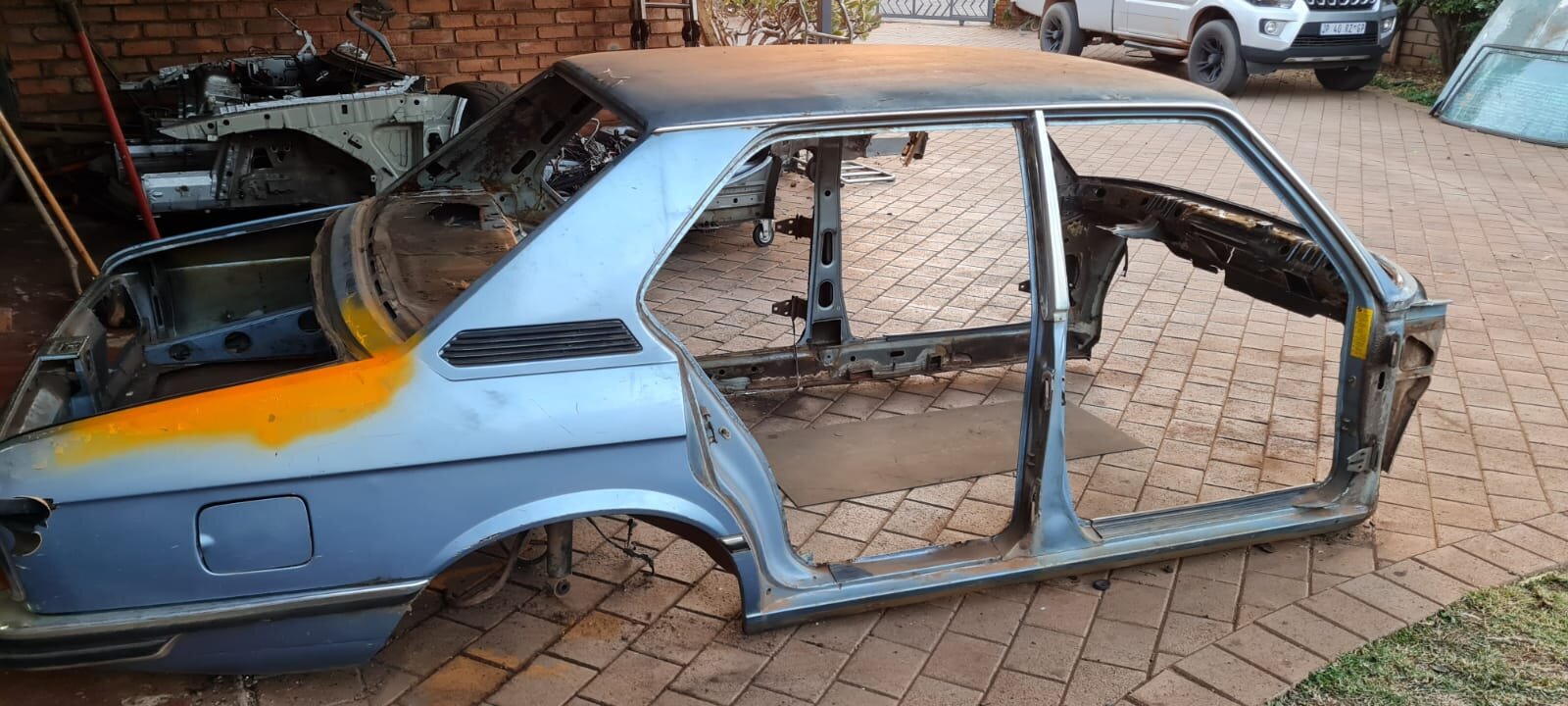
This required sourcing a donor E90 shell and stripping it down to the bare chassis. The E12 body was similarly cut free from its original structure, effectively becoming a skin rather than a load-bearing shell.

At the time this work started — well before AI tools were available — extensive research yielded almost no reference material. The only comparable example found was a road-going Mercedes body mounted to a modern C-Class chassis. That single reference was enough to confirm feasibility, though it severely underestimated the scale of the task ahead.

In hindsight, the complexity and workload of this approach were far greater than initially imagined.

Why the E90?​


The choice of the E90 platform was driven by familiarity and proven results. Previous success with the E90 330i provided a solid technical baseline. The intention was to replicate a known, reliable setup:
  • BMW N52 engine, proven reliable at 7,500 rpm
  • Factory ABS and traction control systems
  • Modern suspension geometry
  • Known braking and drivetrain solutions
The idea was essentially to copy and paste a competitive E90 race package, and integrate it beneath an E12 shell. The target outcome: classic aesthetics and mechanical character combined with modern handling, braking, safety, and electronics.

Old-school soul with modern performance.

Shell Integration & Structural Work​

Once a suitable E90 shell was sourced, the real work began. The process of marrying the two bodies was extensive and physically demanding. While I won’t document every challenge in detail, it involved:
  • Significant cutting and sectioning
  • Extensive fabrication
  • Trial fitting and alignment
  • Broken tools, injuries, stitches, and many hours of rework

Eventually, the E12 shell was successfully aligned and mounted to the E90 chassis.

Body Configuration: Creating a 2-Door E12​

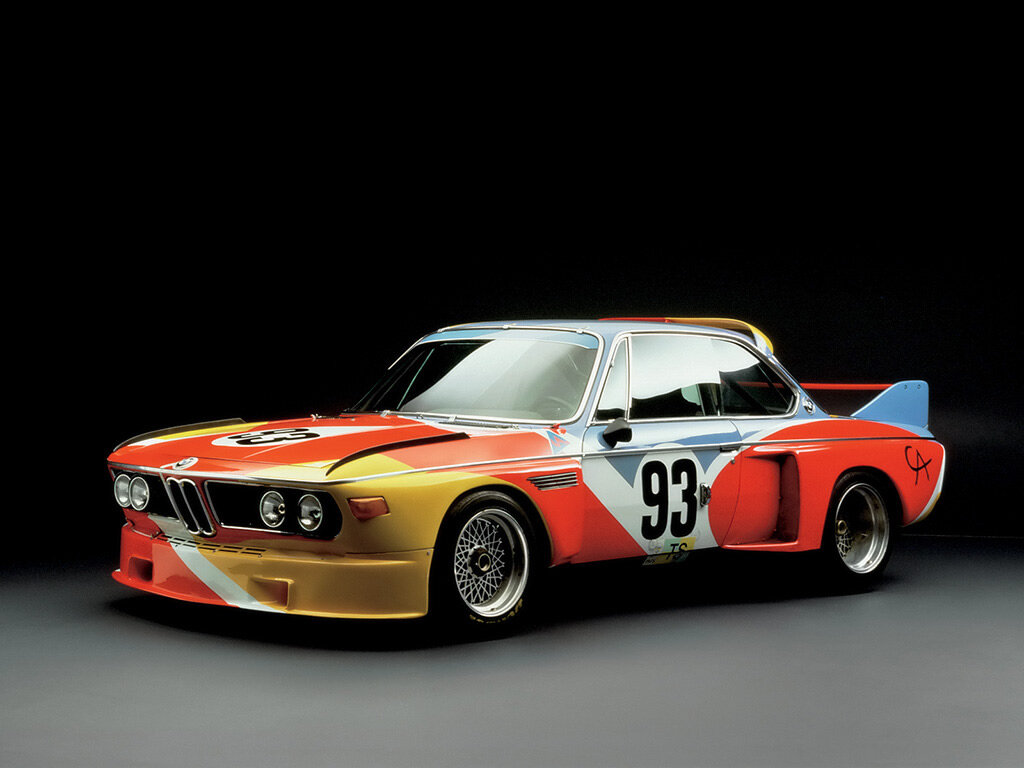
One of my all-time favorite race cars is the BMW E9 Batmobile Art Car. While the E9 and E12 share some visual DNA, they differ fundamentally in layout. The E9 is a two-door coupe; the E12 was only ever produced as a four-door sedan.

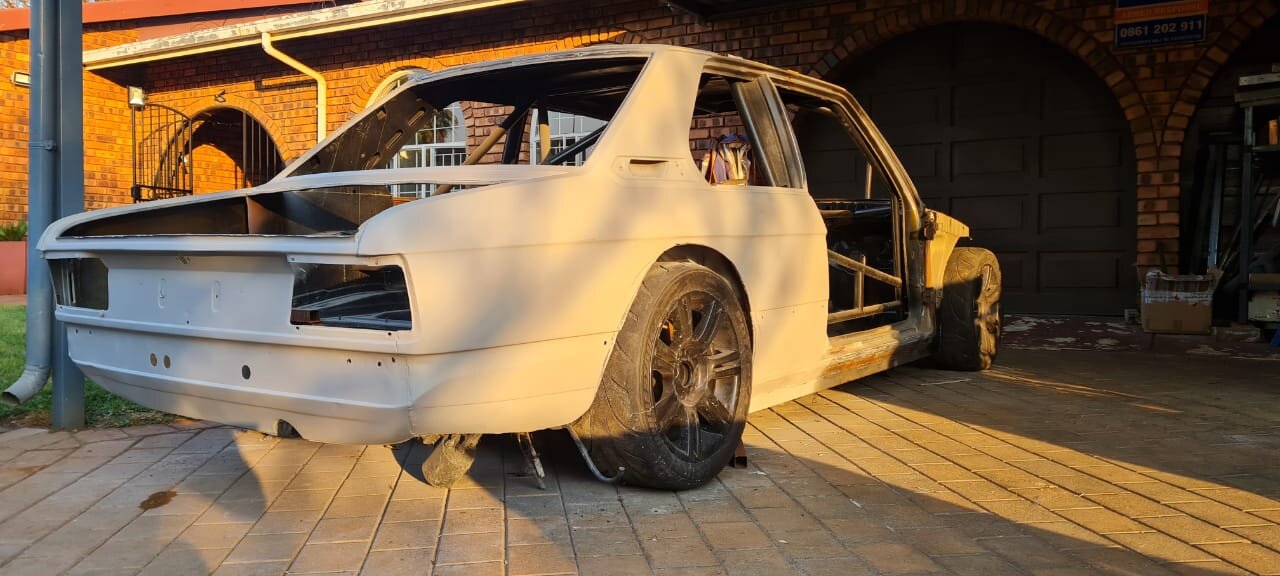
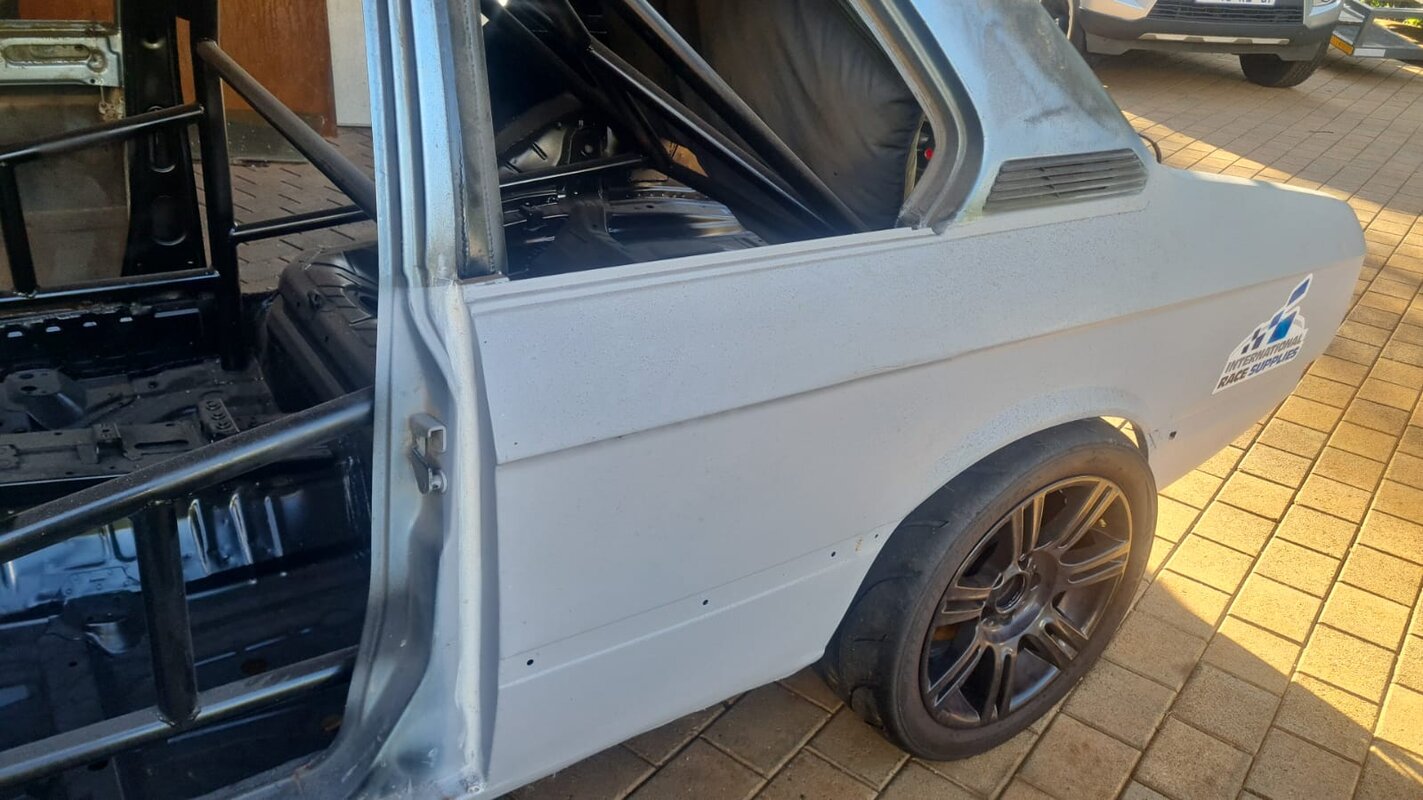
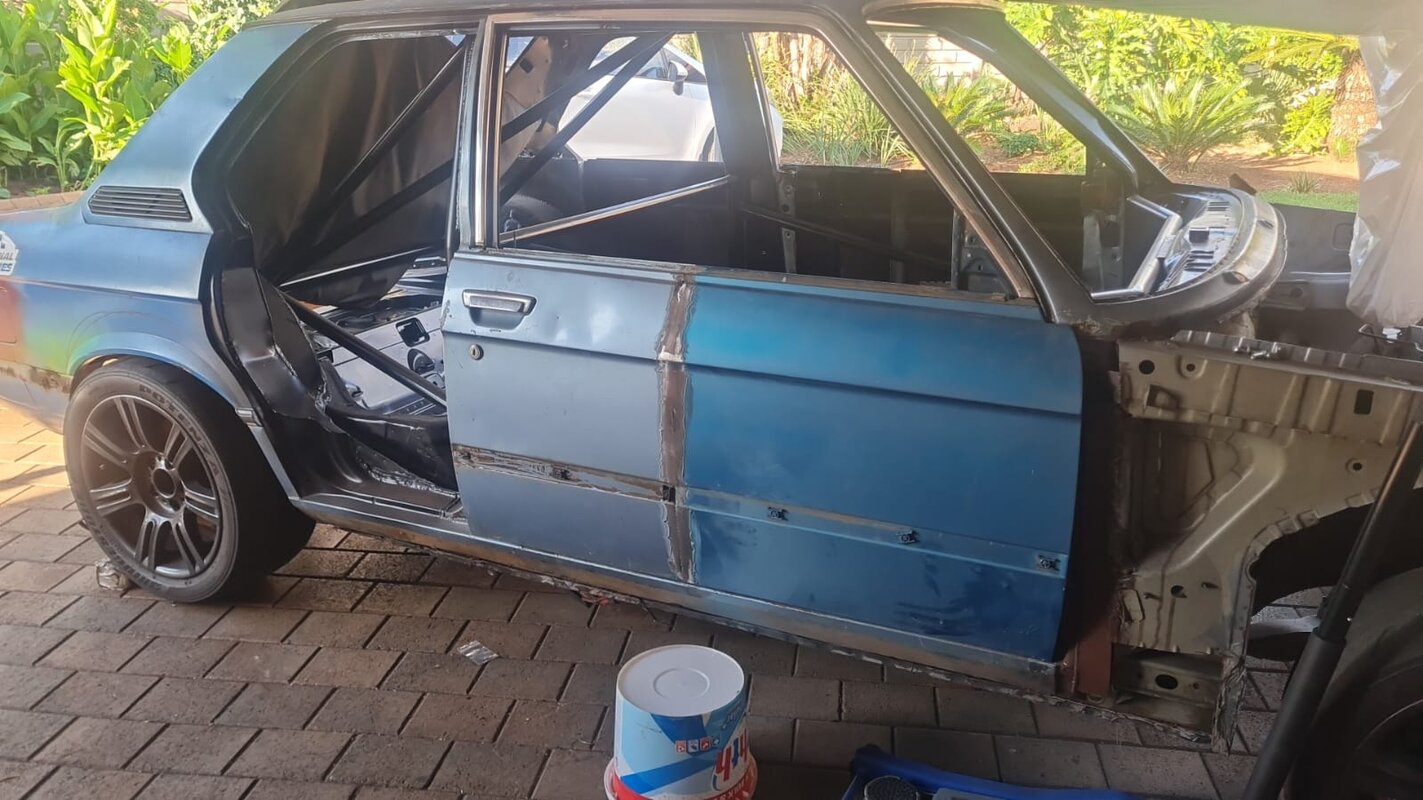
Rather than simply welding the rear doors shut, the decision was made to convert the E12 into a true two-door coupe:
  • The B-pillars were relocated
  • Front doors were lengthened
  • Rear doors were eliminated entirely
This required sourcing an additional set of front doors, sectioning them, and welding them together to achieve correct proportions. The result is what is believed to be the only true two-door E12 in existence.

Widebody & Fender Development​

The E9 Batmobile featured an aggressive widebody kit, but adapting a similar approach to the E12 proved visually incompatible — particularly around the boot and rear body lines. Preserving the original E12 design language became a priority.
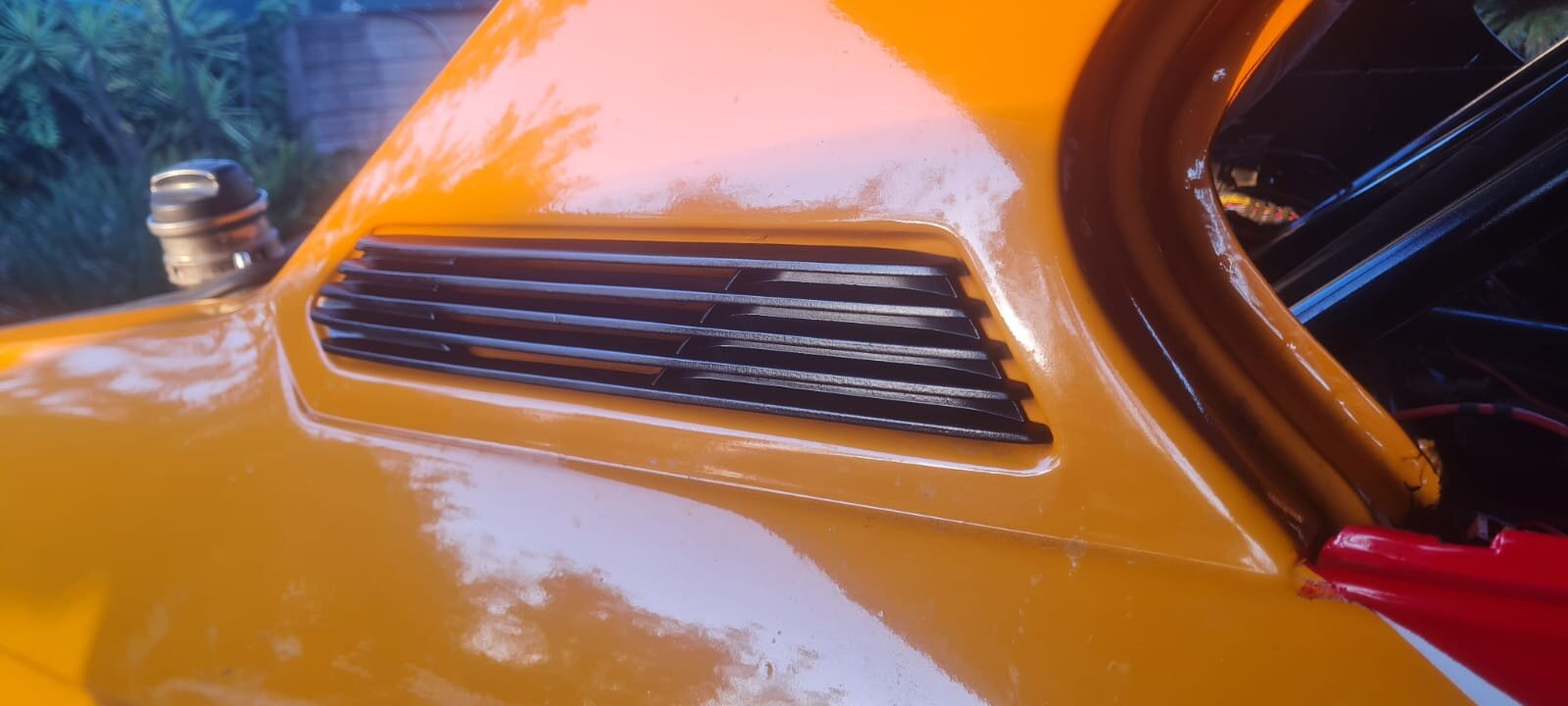
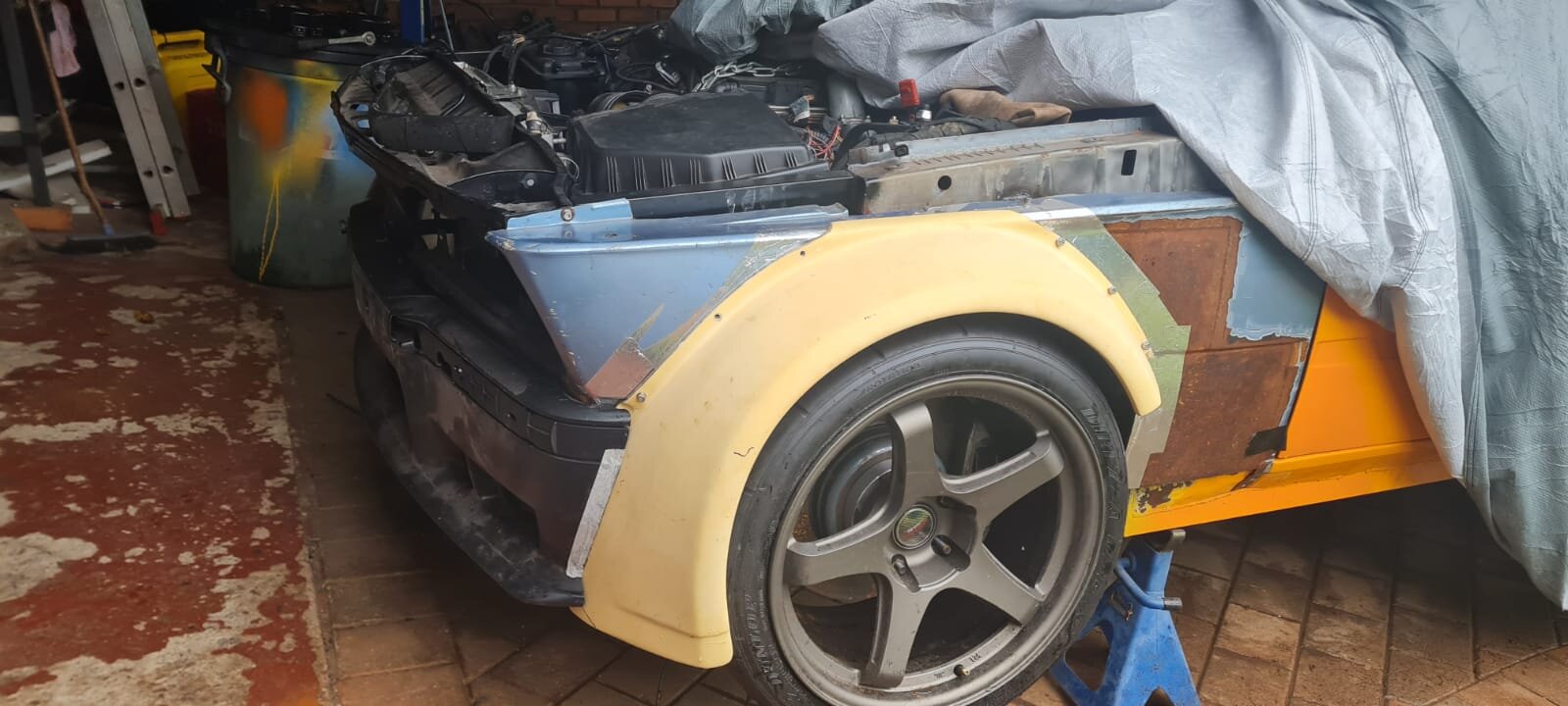
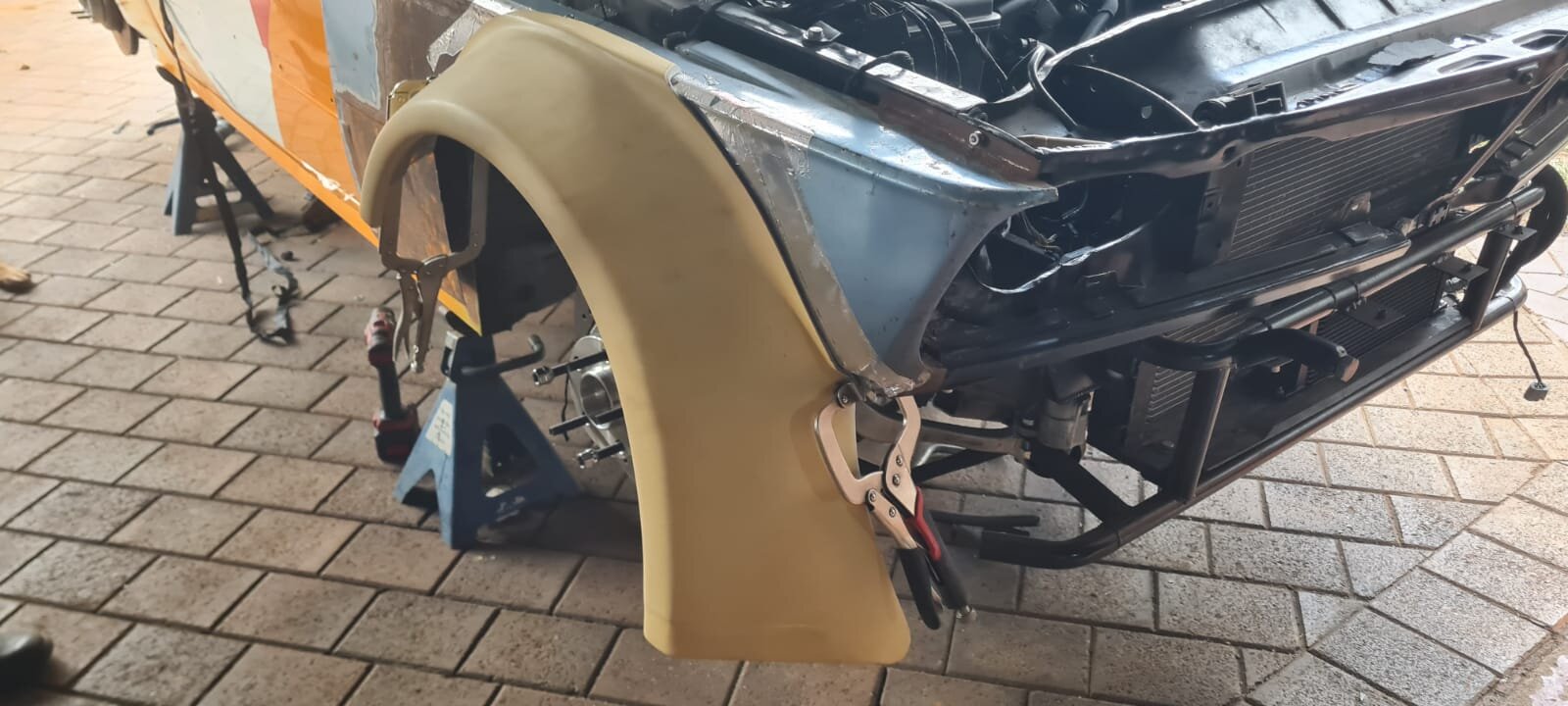
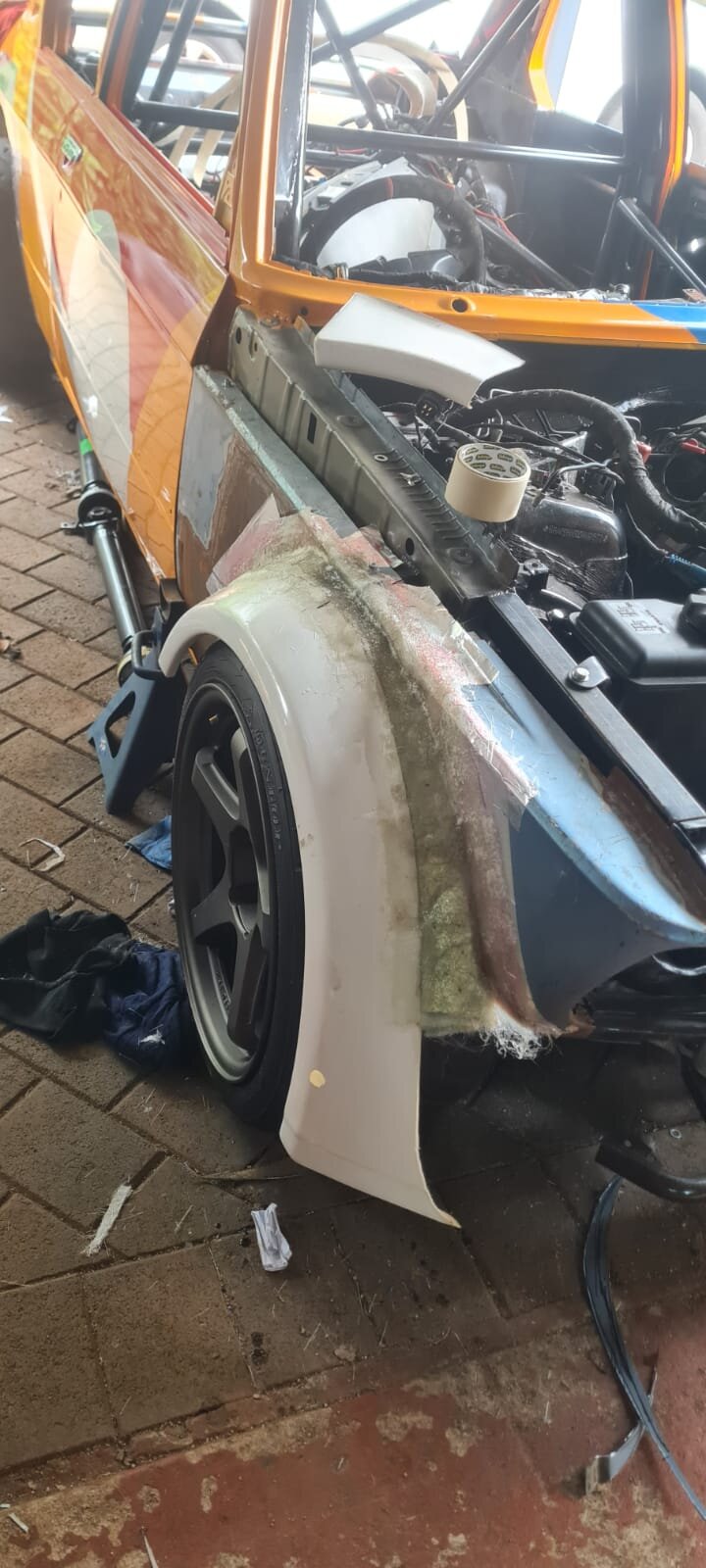
Period E12 race cars typically ran simple fender flares, but original components are virtually unobtainable. The closest viable alternative found was a set of Ford Escort Mk2 flares, sourced via marketplace.

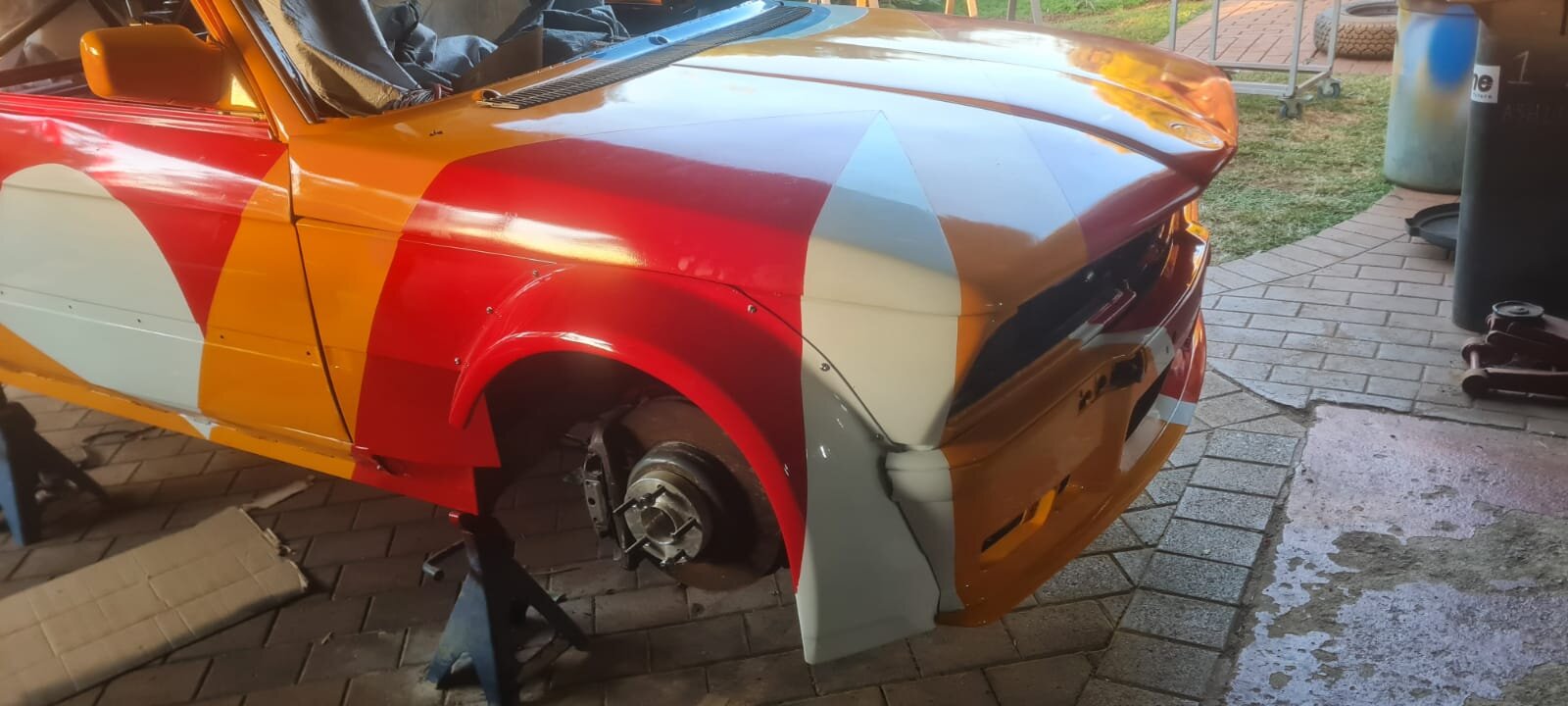
Significant modification was required to adapt them to the E12 body, but the final result retains the classic silhouette while allowing modern wheel and tire widths.

Wheelbase & Track Corrections​

One of the more complex challenges was correcting the wheel placement relative to the body. The E12’s original design places both axles noticeably inward compared to modern proportions.

To visually and dynamically correct this:
  • Rear wheels were moved 5 cm rearward
  • Front wheels were moved 12 cm forward
While the axle track widths were relatively close, the wider wheels and spacers further emphasized the need for correct wheelbase alignment.

This work was critical both for aesthetics and for maintaining proper suspension geometry and weight distribution.
 

Attachments

  • WhatsApp Image 2024-05-31 at 07.29.44_d8c5bf0d.jpg
    WhatsApp Image 2024-05-31 at 07.29.44_d8c5bf0d.jpg
    112.5 KB · Views: 48
  • WhatsApp Image 2024-02-13 at 13.04.56_f4f57338.jpg
    WhatsApp Image 2024-02-13 at 13.04.56_f4f57338.jpg
    157.6 KB · Views: 43
  • WhatsApp Image 2024-02-13 at 12.32.04_cfa5455f.jpg
    WhatsApp Image 2024-02-13 at 12.32.04_cfa5455f.jpg
    173.1 KB · Views: 41
  • WhatsApp Image 2023-11-01 at 13.44.24_b0dee88c.jpg
    WhatsApp Image 2023-11-01 at 13.44.24_b0dee88c.jpg
    188.3 KB · Views: 44
  • WhatsApp Image 2023-07-18 at 17.22.50.jpg
    WhatsApp Image 2023-07-18 at 17.22.50.jpg
    186.4 KB · Views: 46
  • 01-bmw-art-car-1975-30-csl-calder-03-1024-768.jpg
    01-bmw-art-car-1975-30-csl-calder-03-1024-768.jpg
    119.6 KB · Views: 46

Navigator_E90

Active member

Paint Process & Body Panels​

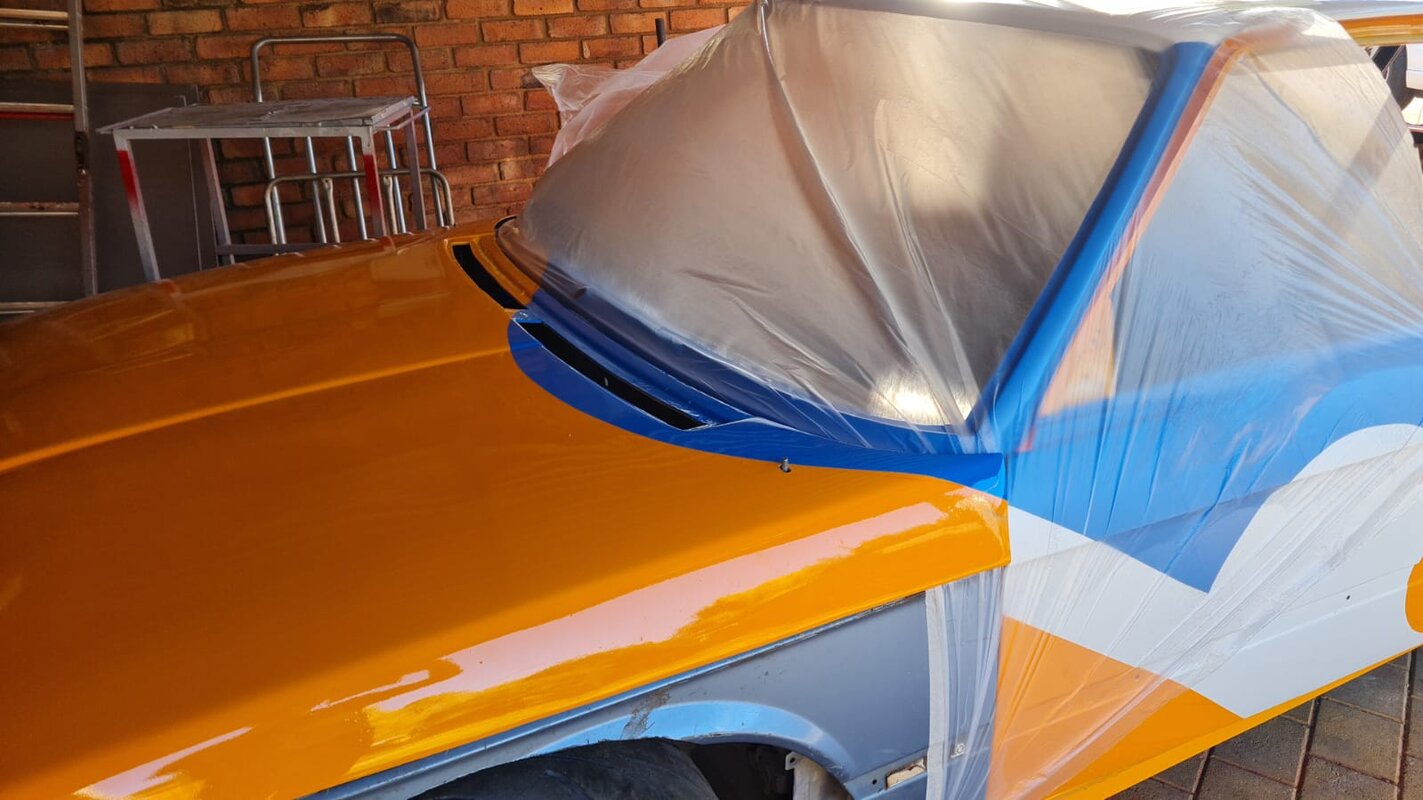
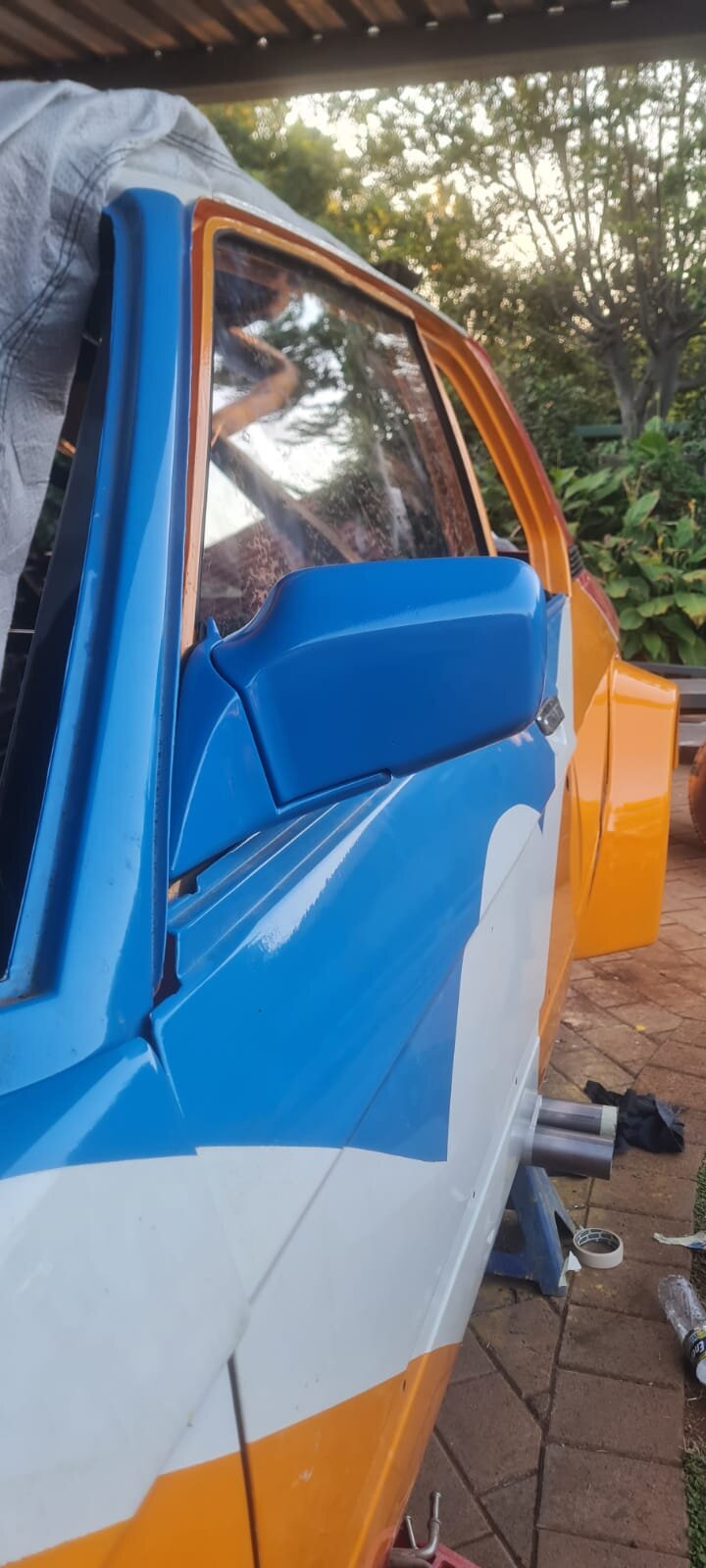
A few photos of the paint process are attached.

Wrapping the car would have been the easier and faster option, but that would not have aligned with the overall build philosophy. The decision was made to keep the finish old-school, using traditional paint rather than vinyl. As a result, each panel and each color was painted separately, which significantly increased the time and complexity of the process.

If there is ever a next build of this scale, wrapping would certainly be the more practical route — but for this project, paint was the right choice.


Composite Panels: Bonnet & Bootlid​

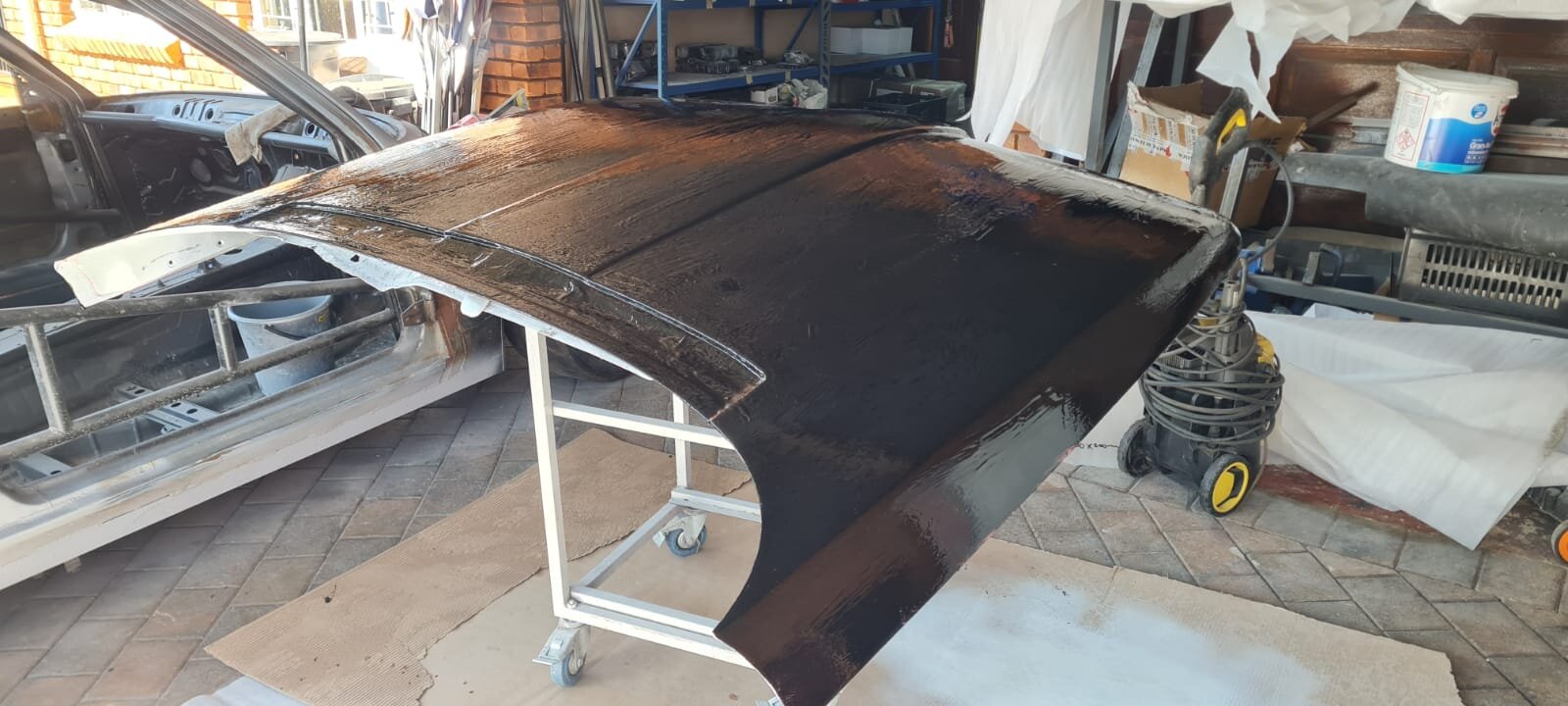
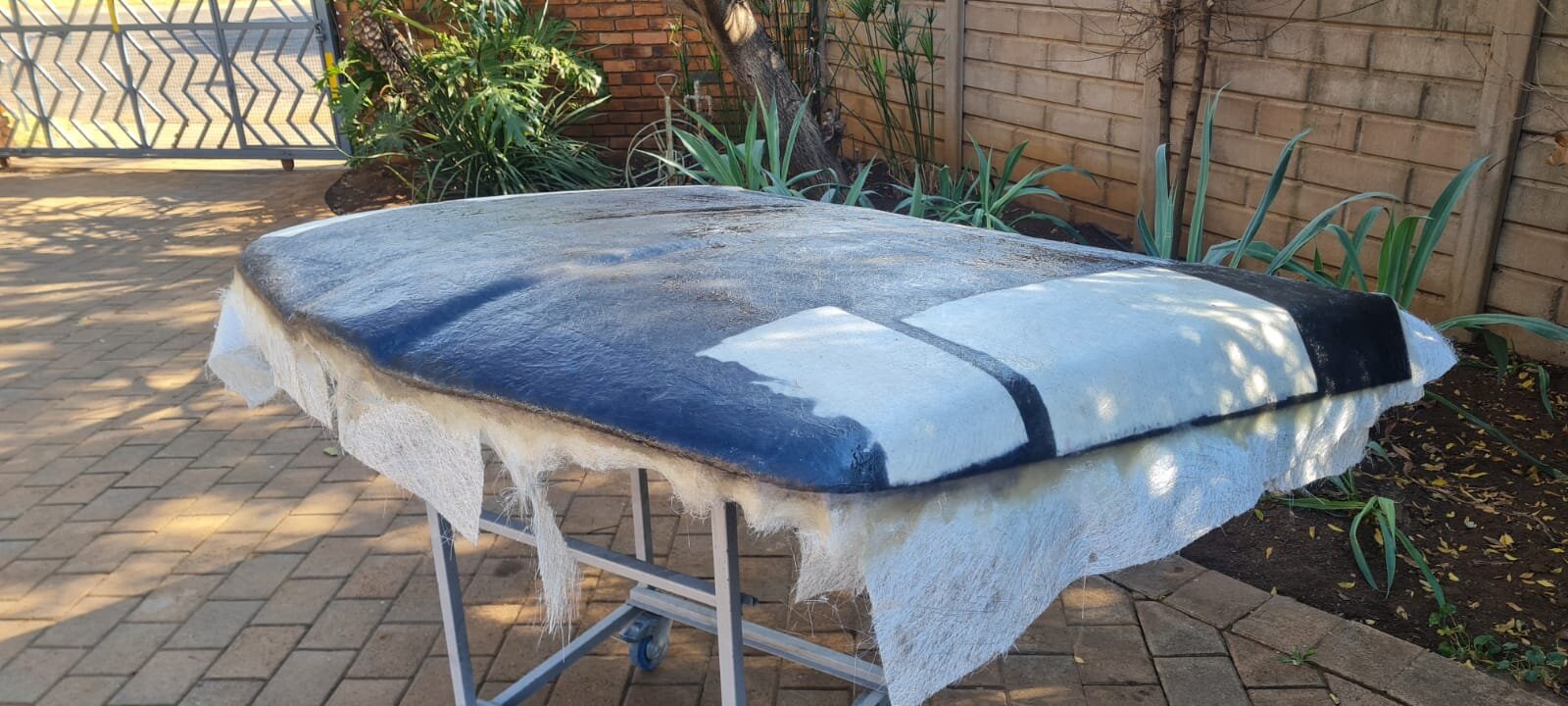
Another area addressed during this phase was panel weight. The original E12 bonnet is exceptionally heavy, making it unsuitable for the performance targets of this build.

To reduce mass, a mold was taken from the original bonnet, allowing the fabrication of a fiberglass bonnet with identical external geometry. The same approach was used for the bootlid, which was also reproduced in fiberglass.

The fiberglass bootlid incorporates a ducktail-style lip spoiler, molded as part of the panel to maintain a clean, period-correct appearance while adding functional aerodynamic benefit.
 

Attachments

  • WhatsApp Image 2026-01-14 at 12.47.31.jpeg
    WhatsApp Image 2026-01-14 at 12.47.31.jpeg
    94.9 KB · Views: 38
  • WhatsApp Image 2026-01-14 at 12.47.30.jpeg
    WhatsApp Image 2026-01-14 at 12.47.30.jpeg
    128.8 KB · Views: 38
  • WhatsApp Image 2026-01-14 at 12.47.28.jpeg
    WhatsApp Image 2026-01-14 at 12.47.28.jpeg
    133.6 KB · Views: 38
  • WhatsApp Image 2026-01-14 at 12.46.21.jpeg
    WhatsApp Image 2026-01-14 at 12.46.21.jpeg
    134.3 KB · Views: 37
  • WhatsApp Image 2026-01-14 at 12.46.16.jpeg
    WhatsApp Image 2026-01-14 at 12.46.16.jpeg
    143.8 KB · Views: 37
  • WhatsApp Image 2026-01-14 at 12.46.15.jpeg
    WhatsApp Image 2026-01-14 at 12.46.15.jpeg
    141.9 KB · Views: 37
  • WhatsApp Image 2026-01-14 at 12.46.14.jpeg
    WhatsApp Image 2026-01-14 at 12.46.14.jpeg
    146.1 KB · Views: 37
  • WhatsApp Image 2026-01-14 at 12.46.10.jpeg
    WhatsApp Image 2026-01-14 at 12.46.10.jpeg
    195.2 KB · Views: 36
  • WhatsApp Image 2026-01-14 at 12.47.32.jpeg
    WhatsApp Image 2026-01-14 at 12.47.32.jpeg
    120.9 KB · Views: 37

evnmopwr

Well-known member

Build Progress & Initial Assessment​


Hi all

Thanks for the messages. The car is now approximately 95% complete. Until recently, I never intended to document the build, but after some reflection I realized there may be others who would find this project interesting — especially those who enjoy unconventional engineering solutions. I’ll continue to post updates as time allows.

Picking up from the previous post: once the E12 arrived home, the strip-down began immediately. The shell was in significantly worse condition than initially expected. Rust was present throughout the structure — including the floor pan, chassis rails, and structural areas — to the point where conventional repair was no longer financially or technically viable.

At that stage, a new direction had to be considered. The priorities were clear:
  • Structural integrity - which will be supported with a roll cage
  • Cost effectiveness (relative to scope)
  • Most importantly: performance

Chassis Strategy: E12 Shell on E90 Platform​


The revised plan was radical but logical: perform a full body/chassis swap, using an E90 rolling chassis and retaining only the outer shell of the E12.

The concept was to completely remove the E90 body, leaving its floor, suspension pickup points, drivetrain layout, electronics, and safety systems intact. The E12 body would then be sectioned and adapted to fit over the E90 chassis architecture.

This required sourcing a donor E90 shell and stripping it down to the bare chassis. The E12 body was similarly cut free from its original structure, effectively becoming a skin rather than a load-bearing shell.

At the time this work started — well before AI tools were available — extensive research yielded almost no reference material. The only comparable example found was a road-going Mercedes body mounted to a modern C-Class chassis. That single reference was enough to confirm feasibility, though it severely underestimated the scale of the task ahead.

In hindsight, the complexity and workload of this approach were far greater than initially imagined.

Why the E90?​


The choice of the E90 platform was driven by familiarity and proven results. Previous success with the E90 330i provided a solid technical baseline. The intention was to replicate a known, reliable setup:
  • BMW N52 engine, proven reliable at 7,500 rpm
  • Factory ABS and traction control systems
  • Modern suspension geometry
  • Known braking and drivetrain solutions
The idea was essentially to copy and paste a competitive E90 race package, and integrate it beneath an E12 shell. The target outcome: classic aesthetics and mechanical character combined with modern handling, braking, safety, and electronics.

Old-school soul with modern performance.

Shell Integration & Structural Work​

Once a suitable E90 shell was sourced, the real work began. The process of marrying the two bodies was extensive and physically demanding. While I won’t document every challenge in detail, it involved:
  • Significant cutting and sectioning
  • Extensive fabrication
  • Trial fitting and alignment
  • Broken tools, injuries, stitches, and many hours of rework

Eventually, the E12 shell was successfully aligned and mounted to the E90 chassis.

Body Configuration: Creating a 2-Door E12​

One of my all-time favorite race cars is the BMW E9 Batmobile Art Car. While the E9 and E12 share some visual DNA, they differ fundamentally in layout. The E9 is a two-door coupe; the E12 was only ever produced as a four-door sedan.

Rather than simply welding the rear doors shut, the decision was made to convert the E12 into a true two-door coupe:
  • The B-pillars were relocated
  • Front doors were lengthened
  • Rear doors were eliminated entirely
This required sourcing an additional set of front doors, sectioning them, and welding them together to achieve correct proportions. The result is what is believed to be the only true two-door E12 in existence.

Widebody & Fender Development​

The E9 Batmobile featured an aggressive widebody kit, but adapting a similar approach to the E12 proved visually incompatible — particularly around the boot and rear body lines. Preserving the original E12 design language became a priority.
Period E12 race cars typically ran simple fender flares, but original components are virtually unobtainable. The closest viable alternative found was a set of Ford Escort Mk2 flares, sourced via marketplace.

Significant modification was required to adapt them to the E12 body, but the final result retains the classic silhouette while allowing modern wheel and tire widths.

Wheelbase & Track Corrections​

One of the more complex challenges was correcting the wheel placement relative to the body. The E12’s original design places both axles noticeably inward compared to modern proportions.

To visually and dynamically correct this:
  • Rear wheels were moved 5 cm rearward
  • Front wheels were moved 12 cm forward
While the axle track widths were relatively close, the wider wheels and spacers further emphasized the need for correct wheelbase alignment.

This work was critical both for aesthetics and for maintaining proper suspension geometry and weight distribution.

NEXT LEVEL build!!!!
Will be following this closely
 
Top