maximus
///Member
Tesla Powerwall confirmed for South Africa
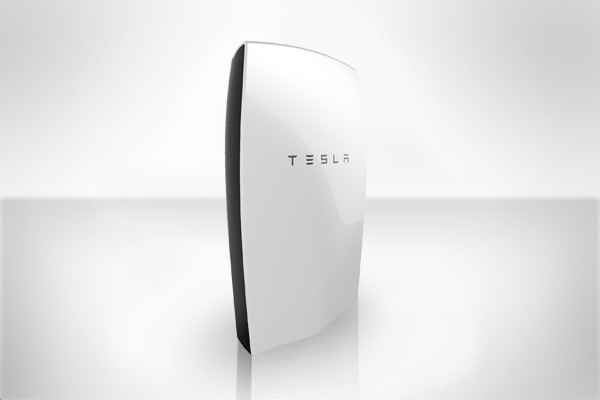
Elon Musk’s US-based energy company will ship its new Powerwall home battery system to countries like South Africa.
By Staff Writer - May 5, 2015
http://mybroadband.co.za/news/energy/125594-tesla-powerwall-confirmed-for-south-africa.html
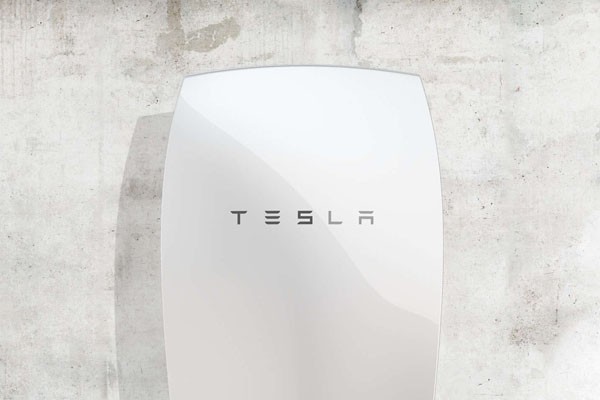
The Tesla Powerwall home battery will be available worldwide – including in South Africa – by the end of 2016, a spokesperson for the company told MyBroadband.
This follows the recent unveiling of the new battery system from Tesla CEO and South African-born technology entrepreneur Elon Musk, who also revealed at the time that customers in North America and Europe could already pre-order the product.
Powerwall is available as a 7kWh unit for $3,000, and a 10kWh unit for $3,500 – excluding inverters and installation – and will deliver to pre-order customers by “late summer” (July – September 2015).
Tesla explained its approach to the roll-out of the new product to countries like South Africa in the statement below.
“Right now, the Powerwall is available through solar installers, utilities, and energy companies, who can offer Powerwall with installation, which allows for rapid deployment around the world. We work closely with partners to make sure they are qualified and able to install and service the technology.”
Powerwall an innovation in manufacturing, not technology
Head of operations at BrightBlack Stephen Gous said that lithium-ion battery packs similar to the ones Tesla uses in Powerwall are available in South Africa, but are not cost-competitive at the moment.
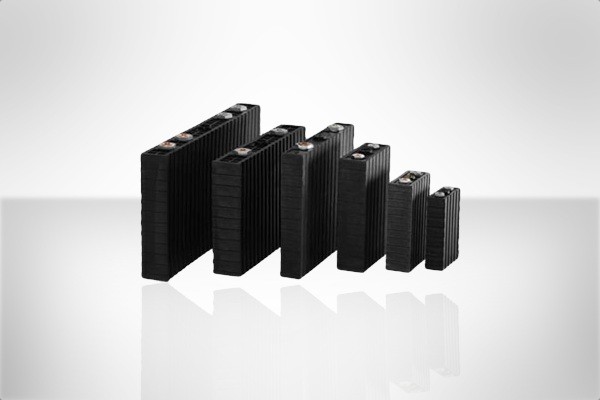
“The technology itself is not revolutionary, and is based on the Sanyo 18650 Li-ion cell,” said Gous.
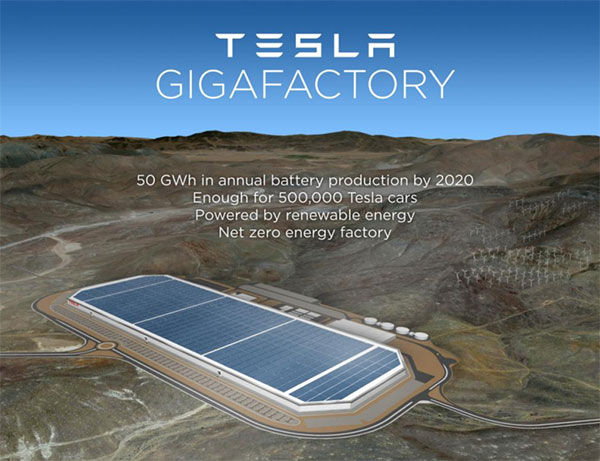
What might be considered revolutionary, said Gous, is the manufacturing capacity for the cell has never been as large as it is now thanks to Panasonic’s relationship with the Tesla Gigafactory.
Panasonic has owned Sanyo since 2009.
“That’s why nothing moved ahead with the Gigafactory until Panasonic was completely on board.”
Sanyo owns the patent to the 18650 cell, said Gous, and all current lithium-ion packs are composed of this cell.
“What is open to development is the charging and discharge control of the cell.”
With the ramping up in production due to the Gigafactory, Gous said we will hopefully see more options become available in South Africa at better prices.
He warned that batteries imported from overseas will be hit with the new 30% duty recently imposed by SARS, though.
Coming to South Africa “faster than many would think”
Soltra Energy boss Jack Ward agreed with Gous, but added that he believed the Tesla Powerwall is revolutionary concept.
“Not because the battery system is based on lithium-ion (Li-ion) technology, but because Tesla will bring it to the mass market fully packaged at a very competitive price point so it will no longer be an exotic option,” Ward said.
Asked whether the technology will come to South Africa, Ward said that it most certainly would. “Faster than many would think,” he added.
“Available at a competitive price point, the Tesla system is ideally suited to meeting the power provisioning challenges faced by South African businesses and individuals on a regular basis – load-shedding and power-outages caused by any number of factors, including cable theft,” said Ward.
South Africans also have to deal with regular hikes in the price of electricity and will soon face the introduction of time-of-day billing, or “smart-metering”, which will further increase costs.
“These inevitabilities will underpin the broad acceptance of the Tesla battery — and solar photovoltaics — as a cost-effective, efficient and professionally-supported alternative,” Ward argued.
Elon Musk’s US-based energy company will ship its new Powerwall home battery system to countries like South Africa.
By Staff Writer - May 5, 2015
http://mybroadband.co.za/news/energy/125594-tesla-powerwall-confirmed-for-south-africa.html
The Tesla Powerwall home battery will be available worldwide – including in South Africa – by the end of 2016, a spokesperson for the company told MyBroadband.
This follows the recent unveiling of the new battery system from Tesla CEO and South African-born technology entrepreneur Elon Musk, who also revealed at the time that customers in North America and Europe could already pre-order the product.
Powerwall is available as a 7kWh unit for $3,000, and a 10kWh unit for $3,500 – excluding inverters and installation – and will deliver to pre-order customers by “late summer” (July – September 2015).
Tesla explained its approach to the roll-out of the new product to countries like South Africa in the statement below.
“Right now, the Powerwall is available through solar installers, utilities, and energy companies, who can offer Powerwall with installation, which allows for rapid deployment around the world. We work closely with partners to make sure they are qualified and able to install and service the technology.”
Powerwall an innovation in manufacturing, not technology
Head of operations at BrightBlack Stephen Gous said that lithium-ion battery packs similar to the ones Tesla uses in Powerwall are available in South Africa, but are not cost-competitive at the moment.
“The technology itself is not revolutionary, and is based on the Sanyo 18650 Li-ion cell,” said Gous.
What might be considered revolutionary, said Gous, is the manufacturing capacity for the cell has never been as large as it is now thanks to Panasonic’s relationship with the Tesla Gigafactory.
Panasonic has owned Sanyo since 2009.
“That’s why nothing moved ahead with the Gigafactory until Panasonic was completely on board.”
Sanyo owns the patent to the 18650 cell, said Gous, and all current lithium-ion packs are composed of this cell.
“What is open to development is the charging and discharge control of the cell.”
With the ramping up in production due to the Gigafactory, Gous said we will hopefully see more options become available in South Africa at better prices.
He warned that batteries imported from overseas will be hit with the new 30% duty recently imposed by SARS, though.
Coming to South Africa “faster than many would think”
Soltra Energy boss Jack Ward agreed with Gous, but added that he believed the Tesla Powerwall is revolutionary concept.
“Not because the battery system is based on lithium-ion (Li-ion) technology, but because Tesla will bring it to the mass market fully packaged at a very competitive price point so it will no longer be an exotic option,” Ward said.
Asked whether the technology will come to South Africa, Ward said that it most certainly would. “Faster than many would think,” he added.
“Available at a competitive price point, the Tesla system is ideally suited to meeting the power provisioning challenges faced by South African businesses and individuals on a regular basis – load-shedding and power-outages caused by any number of factors, including cable theft,” said Ward.
South Africans also have to deal with regular hikes in the price of electricity and will soon face the introduction of time-of-day billing, or “smart-metering”, which will further increase costs.
“These inevitabilities will underpin the broad acceptance of the Tesla battery — and solar photovoltaics — as a cost-effective, efficient and professionally-supported alternative,” Ward argued.